
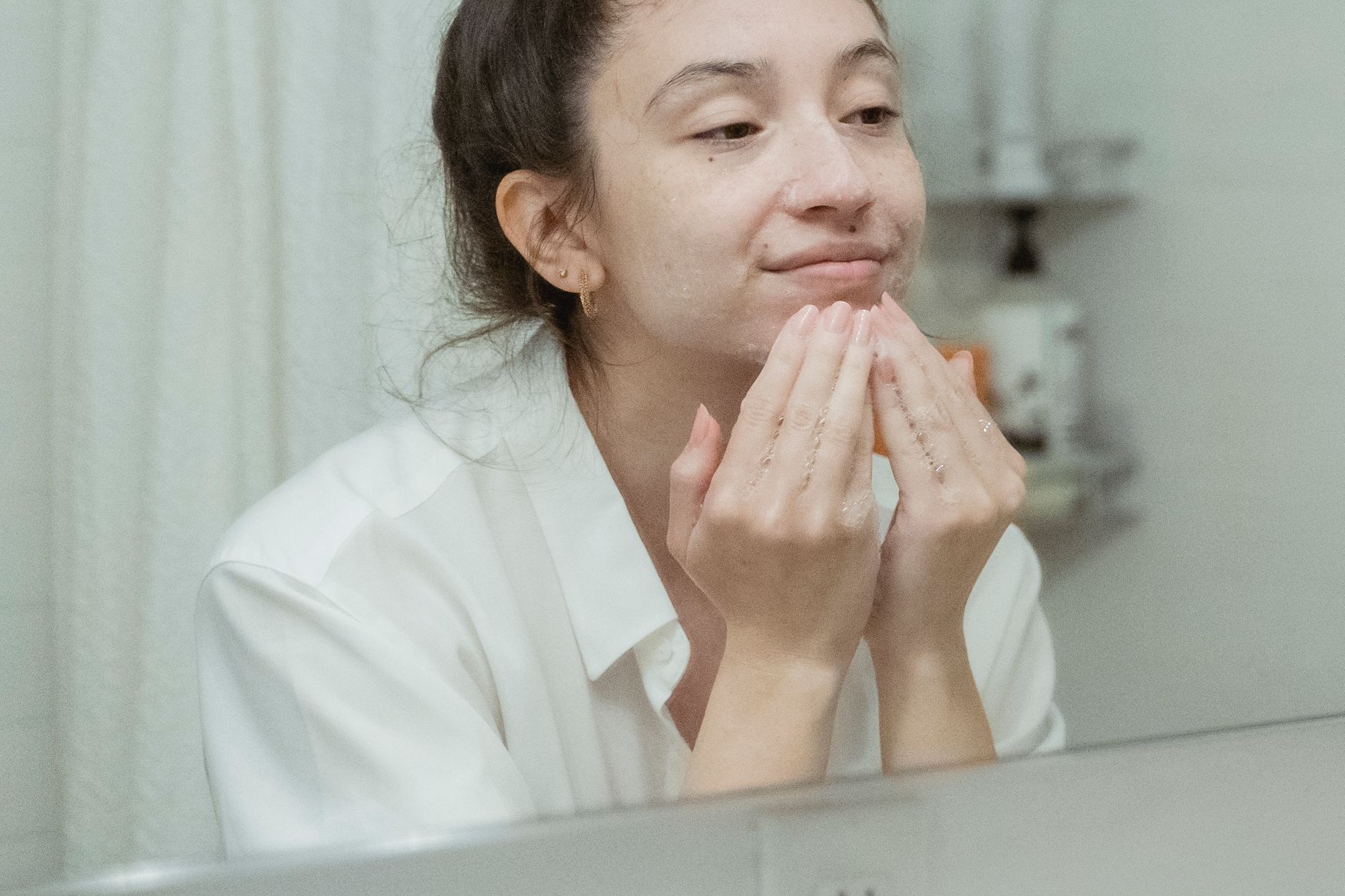
No. Kendall Jenner's kitchen masks are not a good idea for acne.
A DIY acne mask is a homemade paste meant to calm breakouts, and hers may feel moisturizing but will not clear acne and can irritate skin. As detailed by The Zoe Report in its breakdown of her Vogue routine, Jenner mixed mashed avocado, oatmeal, honey and organic lavender oil as a moisturizing mask before layering luxury products. She also promoted an egg-white and lemon mask and a lemon, baking soda and honey spot paste.
Medical information disclaimer: This article is for general educational purposes only and does not provide medical advice, diagnosis, or treatment. Always consult a physician or other qualified health professional about symptoms, medications, tests, or treatment decisions.
Table of Contents
- What is in her masks?
- Why can lemon and baking soda backfire?
- Can honey and oatmeal clear acne?
- What should you do for breakouts instead?
What is in her masks?
Her moisturizing mask combines mashed avocado, oatmeal, honey and organic lavender oil. It is meant to soften and comfort skin, not to treat clogged pores or bacteria.
Her acne recipes are different. WHO reports an egg-white plus half-lemon mask worn 30 minutes to shrink pores and balance pH, plus a spot paste of lemon juice, baking soda and honey. Those are the formulas readers copy for breakouts.
Why can lemon and baking soda backfire?
Lemon and baking soda are the highest-risk parts. Healthline explains in its guide to baking soda and lemon on skin that baking soda has no demonstrated skin benefit and, at alkaline pH around 9, raises skin's naturally acidic pH of 4-6. That shift can cause peeling, irritation, acne and dermatitis.
Lemon adds sun risk. Parade, citing Cleveland Clinic, warns in its explainer on margarita burn that lemon juice plus sunlight can trigger phytophotodermatitis. Citrus furocoumarins heighten UV sensitivity and can cause extreme sunburn, blistering and dark marks.
Can honey and oatmeal clear acne?
Honey has limits for acne. In a 2016 trial reported in BMJ Open by University of Otago researchers, medical-grade kanuka honey with glycerine added to antibacterial soap worked no better than soap alone in 136 acne patients. That result cuts against using kitchen honey as an acne treatment.
Colloidal oatmeal has a narrower role. Under the FDA skin-protectant monograph from June 2003, it temporarily protects skin and relieves minor irritation and itching. That action soothes discomfort but does not unclog pores or kill acne bacteria.
What should you do for breakouts instead?
The American Academy of Dermatology warns that DIY acne tricks often fail. The group urges gentle cleansing, daily moisturizer, proven spot ingredients and early prescription care to prevent scarring and distress in teens and young adults.
Use kitchen experiments with care, especially ones with raw egg. The USDA Food Safety and Inspection Service advises cooking whites and yolks firm, using pasteurized eggs for raw recipes, refrigerating eggs and washing hands and surfaces.
- Cleanse gently twice daily and after heavy sweat
- Moisturize daily, even with oily skin
- Use a proven spot product as directed
- Seek prescription care early if breakouts scar, spread or distress you
- Refrigerate egg mixtures, avoid tasting the mask and wash hands, bowls and counters after use