
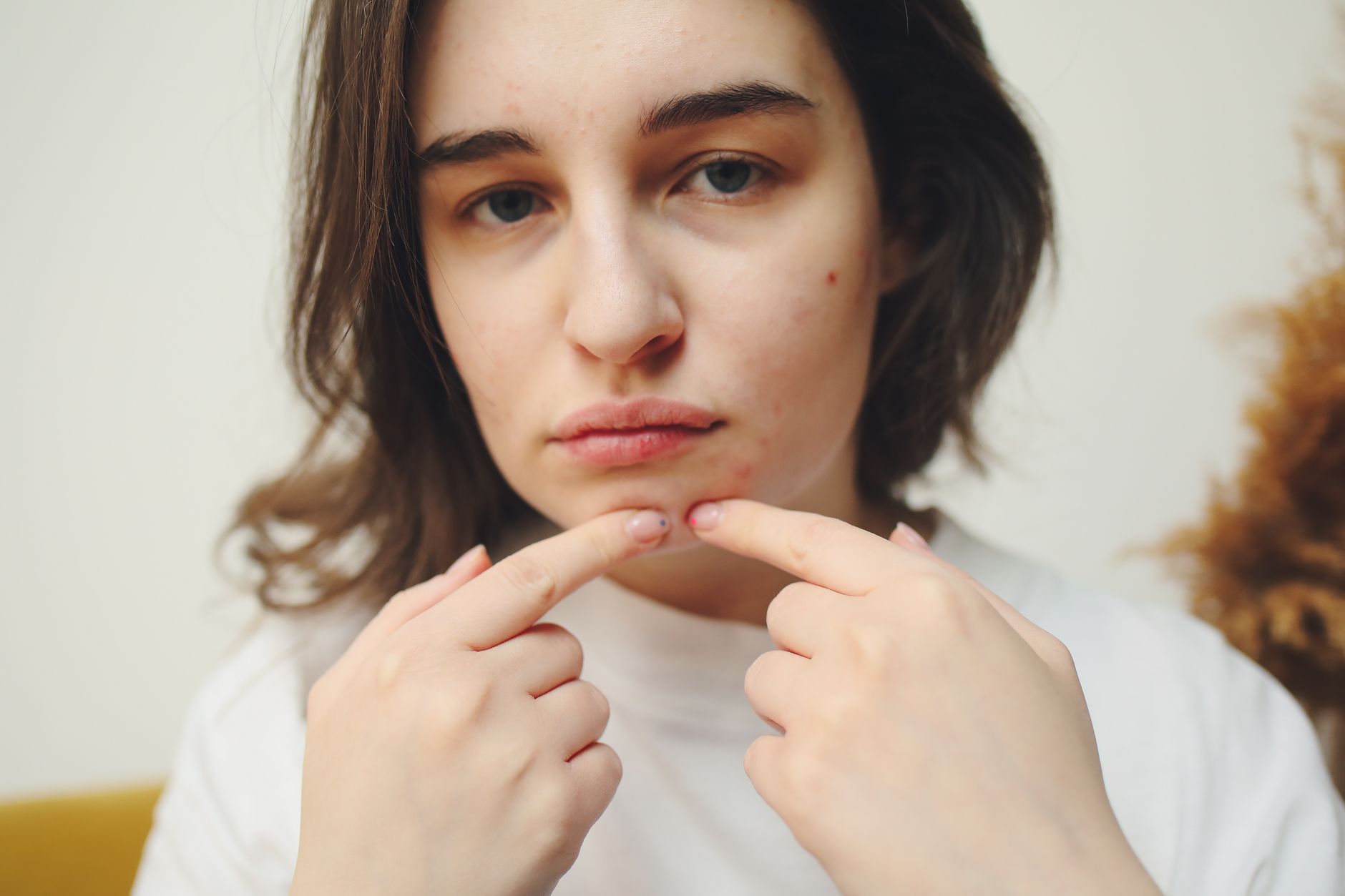
Yes, your workout helmet and chin strap can cause jawline acne. Dermatologists call this acne mechanica, which means breakouts triggered when rubbing gear irritates hair follicles. Yale Medicine explains that helmets and chin straps trap heat, sweat, oil and bacteria against skin and cause inflammation in those follicles, as described in this Yale Medicine report on acne from masks and gear. Before masks made the pattern familiar, doctors saw it mainly in athletes and workers who wore helmets and straps.
Medical information disclaimer: This article is for general educational purposes only and does not provide medical advice, diagnosis, or treatment. Always consult a physician or other qualified health professional about symptoms, medications, tests, or treatment decisions.
Table of Contents
- How does gear irritate skin?
- Where does helmet acne appear?
- Is it gear or hormones?
- What reduces breakouts after workouts?
How does gear irritate skin?
Friction plus occlusion starts the problem. Tight padding presses on skin while movement rubs the edge of a helmet or strap. Heat and sweat build under the contact point.
That mix blocks follicles and lets oil and bacteria collect. Synthetic clothing, helmets and shoulder pads act the same way in football and hockey through heat, pressure, occlusion and friction. Padded vests can do it too.
Where does helmet acne appear?
Helmet contact tends to cluster breakouts along the forehead and jawline. Chin straps can leave a ring of pimples along the chin and cheeks during sport season, according to this dermatology practice article on teen sports acne.
Look for small red bumps, whiteheads or sore spots where padding sits. The forehead edge, temples, jawline, chin and upper cheeks are common sites. Breakouts often rise during heavy training and ease in the off-season.
Is it gear or hormones?
Gear is only one contributor. Jawline and chin breakouts are also commonly hormonal, forming deep painful cysts or papules on the lower third of the face.
Menstrual-cycle shifts often trigger those flares. Gear-related spots follow pressure lines and improve with less friction. Hormonal spots tend to sit deeper, hurt more and return on a monthly pattern.
What reduces breakouts after workouts?
Workouts mix sweat with oil, dirt, germs and dead cells. The American Academy of Dermatology advises showering right after exercise and washing acne-prone skin with a mild oil-free, non-comedogenic cleanser, as explained in this American Academy of Dermatology guide to workout breakouts. Small habits lower friction and bacteria:.
- wipe shared equipment before use
- pat sweat with a clean towel rather than rubbing
- change out of sweaty clothes promptly
- clean helmet padding and straps on a regular schedule