
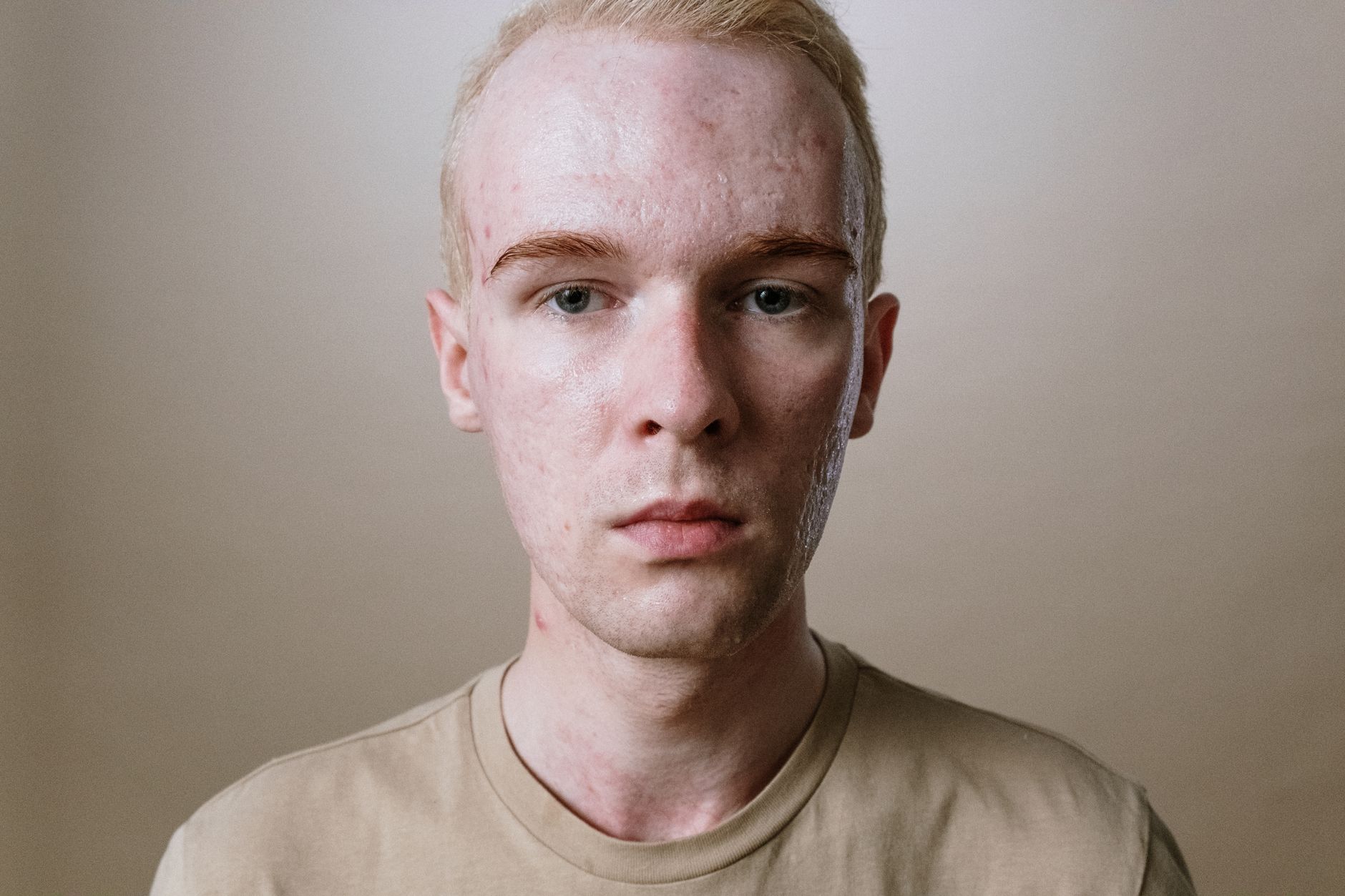
Current evidence supports iS Clinical acne products as exfoliating cosmetics for mild breakouts, not as proven acne drugs. Their salicylate ingredients can improve clarity and dead-cell buildup, while moderate to severe acne still needs guideline-based treatment.
The iS Clinical official product page describes Active Serum as a bestselling serum with lactic acid Active Serum details. It lists botanical glycolic and salicylic acid sources that exfoliate dead cells and improve clarity. The same brand describes Cleansing Complex as a lightweight gel with bionutrients and antioxidants that cleanses without stripping moisture.
Medical information disclaimer: This article is for general educational purposes only and does not provide medical advice, diagnosis, or treatment. Always consult a physician or other qualified health professional about symptoms, medications, tests, or treatment decisions.
Table of Contents
- What is in these formulas?
- Can salicylic acid reduce acne lesions?
- How do dermatology guidelines rank salicylic acid?
- Should you try it for your breakouts?
What is in these formulas?
Active Serum centers on lactic acid with plant-derived glycolic and salicylic sources. Cleansing Complex combines bionutrients, antioxidants, and mild resurfacing ingredients in a gel cleanser. Neither is presented by iS Clinical as an FDA-listed acne drug.
Retailer International Orange specifies Cleansing Complex contains about 0.4% glycolic acid and a 0.5% willow-bark-derived salicylic source retailer ingredient breakdown. It markets the cleanser to help control breakouts and remove dead cells. The Cosmetic Ingredient Review notes FDA permits synthetic salicylic acid as an OTC acne active at 0.5% to 2%, which sets the benchmark for an anti-acne drug claim.
Can salicylic acid reduce acne lesions?
A Clinics in Dermatology review summarized on PubMed tested 0.5% and 2% salicylic acid pads in four placebo-controlled studies. The pads reduced primary acne lesions and thereby lowered total lesion count and severity. That result applies to synthetic salicylic acid at drug concentrations.
Cosmetic exfoliation works differently from drug treatment. It loosens dead surface cells and keeps pores clearer. Willow-bark salicin delivers less salicylate exposure than synthetic salicylates, so botanical-source cosmetics should not be equated with tested drug pads.
How do dermatology guidelines rank salicylic acid?
The American Academy of Dermatology via Newswise issued 2024 acne guidelines with strong recommendations for benzoyl peroxide, topical retinoids, antibiotics, and oral isotretinoin for severe disease AAD guideline summary. Salicylic acid received only a conditional recommendation. Conditional means it may help selected patients but has weaker support than first-line drugs.
This ranking shapes practical choices for readers. People with mild comedonal acne may use salicylate cosmetics as adjunct exfoliants alongside gentle cleansing. People with inflammatory, scarring, or persistent acne need proven drugs or prescription evaluation, as reported in coverage of the AAD guidance.
Should you try it for your breakouts?
Mild blackheads and small clogged pores with no scarring fit cosmetic exfoliation best. Use one exfoliating product at a time and watch for dryness, stinging, or increased redness.
An MDPI Life review of willow bark pharmacology found one standardized extract gave salicylic-acid exposure equal to about 87 mg aspirin willow bark pharmacology review. Seek guideline-based care promptly if you notice: Stop the cosmetic exfoliant and get medical advice if peeling, burning, swelling, or allergy signs develop.
- painful nodules, cysts, scarring, or dark marks that persist
- breakouts spreading across face, chest, or back
- no improvement after 8 to 12 weeks of consistent basic care