
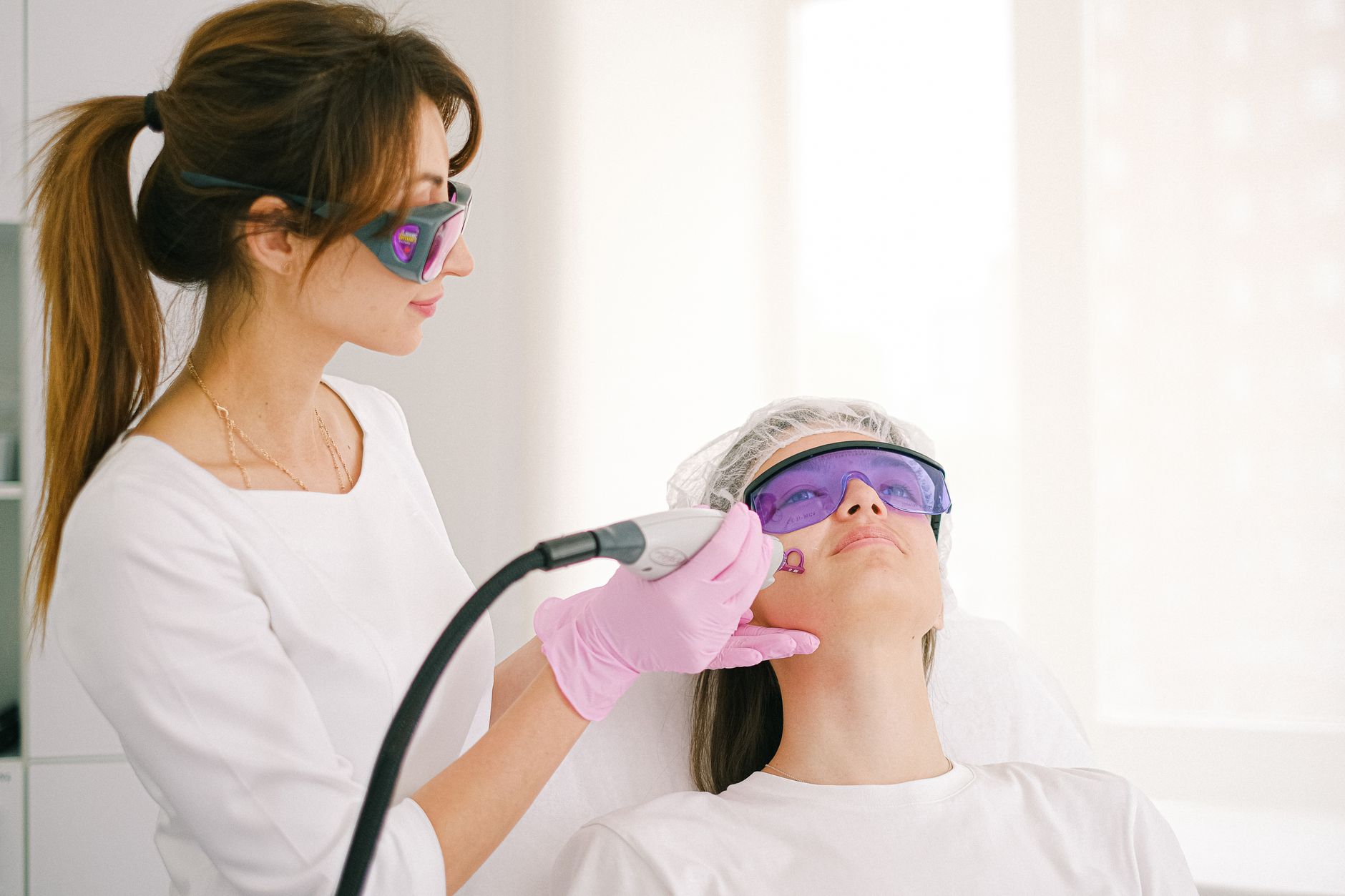
In a 2026 pilot, adults with persistent inflammatory acne improved about the same with intense pulsed light, pulsed dye laser, and Q-switched 1064-nm Nd:YAG. IPL, PDL, and Nd:YAG reduced a similar burden of red, sore lesions, so choice can rest on comfort, skin needs, cost, and access. Inflammatory acne means red, tender, swollen bumps and pimples.
The trial enrolled 36 patients with moderate-to-severe inflammatory acne, with 12 assigned to each device, according to the U.S. National Library of Medicine PubMed the trial record. Lesion counts and severity scores fell in every arm during treatment.
Medical information disclaimer: This article is for general educational purposes only and does not provide medical advice, diagnosis, or treatment. Always consult a physician or other qualified health professional about symptoms, medications, tests, or treatment decisions.
Table of Contents
- What the three-arm pilot found
- How each light approach acts on acne
- Why persistent adult acne needs options
- How to choose with your dermatologist
What the three-arm pilot found
No device beat the others for inflammatory lesions. Between-group differences in lesion counts and severity scores were not significant at any treatment session. P-values ranged from 0.06 to 0.92.
Within each arm, patients improved from baseline over the treatment course. Lesion counts dropped. Severity scores dropped. Daily-life burden also eased, with Cardiff Acne Disability Index scores falling significantly from baseline to two weeks after the final treatment.
How each light approach acts on acne
IPL uses broad light pulses. It damages selected targets through heat, including hemoglobin, melanin, water, and C. acnes porphyrins.
That process creates bactericidal, anti-inflammatory, and sebum-suppressing effects, as described by the Springer Nature Lasers in Medical Science review the lasers review. PDL and Nd:YAG use single-wavelength laser light. PDL principally targets oxyhemoglobin in dilated vessels, which suits red inflammatory lesions. Nd:YAG reaches deeper and thermally affects pilosebaceous units and inflammatory mediators such as TNF-alpha and IL-1, according to Dermatology Times the acne laser report.
Why persistent adult acne needs options
Acne often lasts past the teen years. About 64% of affected people still have acne into their 20s and about 43% into their 30s, reported in the British Journal of Dermatology via Oxford Academic the persistence study. Red bumps, pain, marks, and breakouts before events can affect work and social life.
The pilot matters because disability scores improved along with lesions. For adults using retinoids, benzoyl peroxide, azelaic acid, or oral treatment, a device option may address sore red spots. It does not replace daily skin care and prescribed treatment.
How to choose with your dermatologist
Because all three modalities helped similar patients, practical factors can guide selection. Discuss pain tolerance, how red lesions look, skin type and pigmentation risk, price per session, number of visits, and clinic access. Continue standard topical or oral care unless your dermatologist changes it.
Evidence remains early. The sample was only 36 patients with short follow-up, and the medical policy summary of AAD guidance the policy summary still calls for large multicenter blinded trials before routine laser or light use. Ask about expected benefit, risks for your skin tone, and follow-up photography.
- Redness first: ask whether vessel-targeted PDL fits very red spots.
- Deeper or tender lesions: ask whether Nd:YAG fits your pattern.
- Broad concerns: ask whether IPL fits mixed redness, bacteria, and oiliness.
- Skin type, downtime, eye protection, sun exposure, cost, and travel: compare all three.
You Might Also Like
- Microneedle Radiofrequency With Low-Dose Isotretinoin in 2026: What the Findings Mean for Adults With Persistent Acne
- Topical Hormonal Acne Treatments in a 2026 Review: What the Findings Mean for Adults With Persistent Acne
- Oral Doxycycline for Acne in a 2026 Systematic Review: What the Findings Mean for Adults With Persistent Acne