
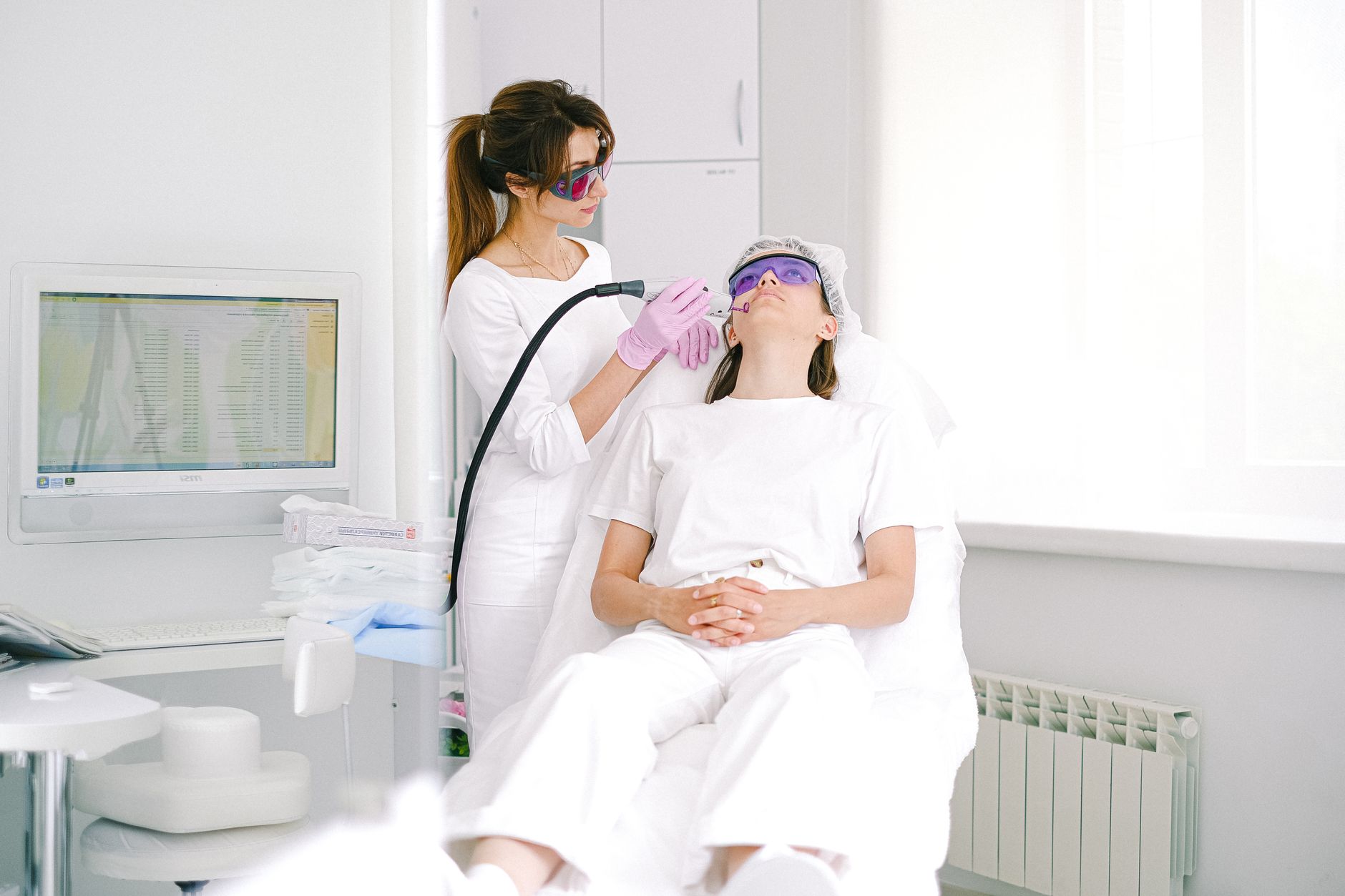
No device won. In the July 2026 pilot, IPL, pulsed-dye laser and Q-switched 1064-nm Nd:YAG all reduced inflammatory acne over time with no significant difference between groups.
Inflammatory acne means red, tender bumps and pustules. IPL uses broad-spectrum pulsed light, PDL uses 595-nm pulsed dye light targeting blood vessels, and Nd:YAG uses 1064-nm laser light. Adults with persistent breakouts can use these results to ask focused questions about sessions, risks and fit.
Medical information disclaimer: This article is for general educational purposes only and does not provide medical advice, diagnosis, or treatment. Always consult a physician or other qualified health professional about symptoms, medications, tests, or treatment decisions.
Table of Contents
- What did the 2026 pilot test?
- Do earlier head-to-head results agree?
- Why does device choice still vary?
- What should adults ask a dermatologist?
What did the 2026 pilot test?
The three-arm randomized trial assigned 36 patients with moderate-to-severe inflammatory acne to IPL, PDL or Q-switched 1064-nm Nd:YAG, according to Lasers in Medical Science via the U.S. National Library of Medicine/PubMed the PubMed trial record. Researchers compared lesion counts and severity scores across treatment sessions.
Lesion counts and severity fell significantly within each group over time. Between-group differences were not significant at any session, with P values from 0.06 to 0.92. In practical terms, all three arms improved, but none proved superior.
Do earlier head-to-head results agree?
An earlier randomized split-face trial treated 34 adults with mild-to-moderate facial acne, according to the Journal of Cosmetic and Laser Therapy via PubMed the split-face trial record. One facial side received three sessions of 1064-nm Nd:YAG and the other received 595-nm PDL.
Both sides showed significant reductions in inflammatory counts and erythema, meaning redness. The trial found no significant difference between sides. Post-treatment erythema was the most common side effect for both devices, with fewer adverse effects reported on Nd:YAG-treated sides and patient preference favoring Nd:YAG despite high satisfaction with both.
Why does device choice still vary?
Published lesion-reduction rates differ widely by device settings, session number and patient selection. A pooled review of 18 IPL, 9 PDL and 10 Nd:YAG studies reported IPL reductions of 42.4%-61.6% and PDL reductions up to 82.5%.
The American Academy of Dermatology's January 2024 acne guidelines judged available evidence insufficient to recommend laser and light devices for routine acne care, as reported by Medscape the Medscape guidelines report. It called for large prospective randomized trials versus placebo. The 2026 pilot remains small, with 36 patients across three arms and short follow-up.
What should adults ask a dermatologist?
Persistent adult acne commonly affects women, with estimates near 50% in their 20s, 30%-35% in their 30s and about 25% in their 40s. Maintenance needs, scarring and pigmentation often matter more after adolescence. Bring these questions to the visit: Ask for the plan in writing, including session spacing, photos for comparison and when to stop.
- How many sessions do you recommend for my severity and skin phototype, and how do you assess response?
- What recurrence rate do you see, and what maintenance plan follows the series?
- Is the proposed device FDA-cleared for inflammatory acne in my phototype?
- What is my risk of post-inflammatory hyperpigmentation, meaning dark spots after inflammation, and prolonged redness?
- What is the total cost, downtime and alternative if spots darken or acne persists?
You Might Also Like
- Spironolactone, Metformin, and Bicalutamide for Acne in a 2026 Review: Questions Adults With Persistent Acne Can Ask a Dermatologist
- Microneedle Radiofrequency With Low-Dose Isotretinoin in 2026: Questions Adults With Persistent Acne Can Ask a Dermatologist
- Low-Dose Isotretinoin Side Effects in the 2026 Fish Oil Trial: Questions Adults With Persistent Acne Can Ask a Dermatologist