
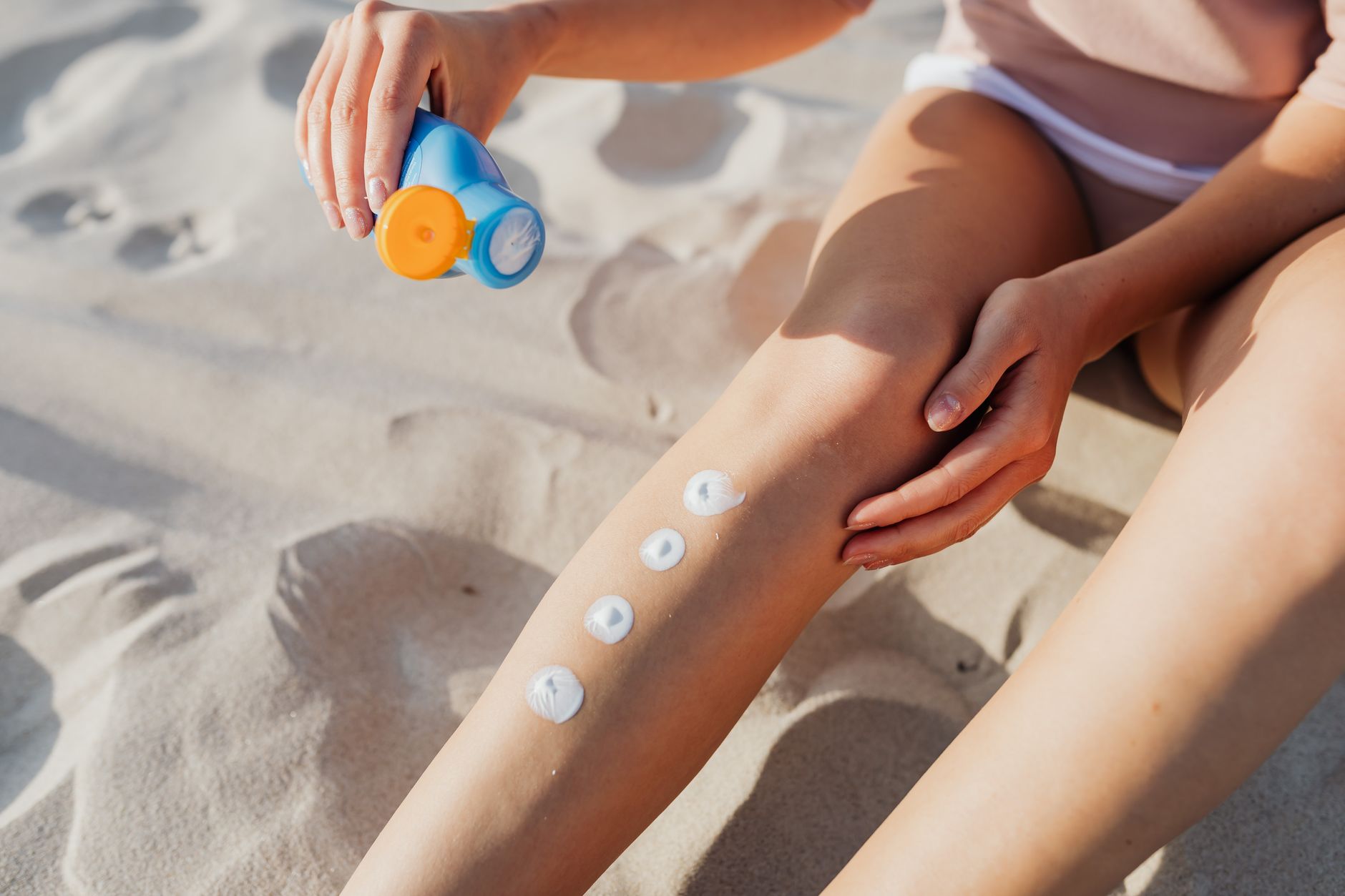
To verify sunscreen claims in 2026, check the label against FDA testing rules and American Academy of Dermatology use advice. To verify acne claims, check the active ingredient against dermatology guidelines and look for human trial evidence behind benefit claims. Broad spectrum means the product passed a specific FDA test for protection against both burning and aging rays. GRASE means generally recognized as safe and effective, the FDA standard for an over-the-counter active ingredient.
Medical information disclaimer: This article is for general educational purposes only and does not provide medical advice, diagnosis, or treatment. Always consult a physician or other qualified health professional about symptoms, medications, tests, or treatment decisions.
Official resources:
- Read the official notice from FDA — Use this primary source to verify the official announcement.
- Read the official notice from FDA — Use this primary source to verify the official announcement.
Table of Contents
- What should a trustworthy sunscreen label show?
- Which sunscreen actives have FDA support?
- Which acne treatments do dermatology guidelines support?
- Which ad claims should you distrust?
- How can you check a product in five minutes?
What should a trustworthy sunscreen label show?
Only products that pass the FDA broad-spectrum test may carry a broad-spectrum label, and the FDA says broad-spectrum SPF 15 or higher used as directed with other sun protection reduces skin cancer and early aging risk, according to FDA facts about sunscreen. Look for SPF value, broad spectrum, water resistance, and directions for amount and reapplication. The American Academy of Dermatology recommends everyone apply broad-spectrum, water-resistant SPF 30 or higher to uncovered skin, seek shade and wear protective clothing, and reapply every two hours or after swimming or sweating, according to AAD sun-protection guidance.
A product with SPF 15 can meet FDA risk-reduction language yet fall short of the daily SPF 30 habit dermatologists advise. Treat missing directions, vague "all-day protection," or no water-resistance time as warning signs. Strong labels state who should use it, how much to apply, and when to reapply.
Which sunscreen actives have FDA support?
FDA proposed that only zinc oxide and titanium dioxide up to 25% had enough data to qualify as GRASE. Twelve chemical filters, including oxybenzone, avobenzone, and octocrylene, lacked enough safety data in that proposal. FDA later proposed on December 11, 2025 and finalized on June 9, 2026 adding bemotrizinol up to 6% as a GRASE sunscreen active for adults and children 6 months and older. That action was the first new U.S.
sunscreen filter in decades. For shoppers, the practical effect is narrow. Mineral options and bemotrizinol have the clearest FDA ingredient position, while many older chemical filters remain in a data-gap category. Check the Drug Facts active-ingredient box rather than front-label terms like natural, mineral-infused, or chemical-free.
Which acne treatments do dermatology guidelines support?
The American Academy of Dermatology 2024 acne guidelines strongly recommend topical benzoyl peroxide, retinoids, antibiotics and combinations, plus oral doxycycline, and oral isotretinoin for severe acne or acne with scarring, as summarized in Dermatology Times coverage of the guidelines. These are drug treatments with dosing, safety warnings, and follow-up rules. Cosmetic moisturizers, cleansers, oils, and devices do not gain acne-treatment status from soothing, exfoliating, or glow language.
FDA treats a cosmetic that claims to treat or prevent disease such as acne, or to affect body structure or function, as an unapproved drug needing drug approval. FDA testing of 95 benzoyl peroxide products, reported March 11, 2025, found over 90% had undetectable or extremely low benzene, with only a limited number needing voluntary retail-level recalls for elevated contamination. Buy current stock from reliable sellers, store it as directed, and discard discolored or expired product.
Which ad claims should you distrust?
The Federal Trade Commission requires health-benefit claims to rest on competent and reliable scientific evidence, generally randomized controlled human trials, and says testimonials, before-after photos, and claimed clinical proof without trials do not prove efficacy, according to FTC health-products guidance. Apply that test to cure, clear skin in days, repairs damage, dermatologist-grade, and clinically proven. Photos can reflect lighting, makeup, time, or normal breakouts fading on their own.
Reviews can reflect payment, free product, or mixed routines with prescription drugs. A brand citing a small lab test, an ingredient study, or an unpublished in-house trial has not shown that its finished product works. Ask who was studied, for how long, against what control, and with what measured result. Claims without answers deserve no premium price.
How can you check a product in five minutes?
Read Drug Facts first, marketing second, and reviews last. Confirm sunscreen SPF, broad spectrum, water resistance, and active ingredients with percentages. If the label hides actives, gives no directions, or leans on photos instead of data, choose a product with full Drug Facts and guideline-supported ingredients.
- Match sunscreen use to dermatologist advice: SPF 30 or higher, cover uncovered skin, add shade and clothing, reapply every two hours or after swimming or sweating.
- Match acne actives to guideline drugs: benzoyl peroxide, retinoid, antibiotic combination, doxycycline, or isotretinoin for severe disease.
- Reject disease promises from cosmetics: treats acne, cures breakouts, repairs scars, changes hormones, or rebuilds collagen.
- Demand trial detail for bold results: number of people, treatment length, control group, and measured clearing rate.