
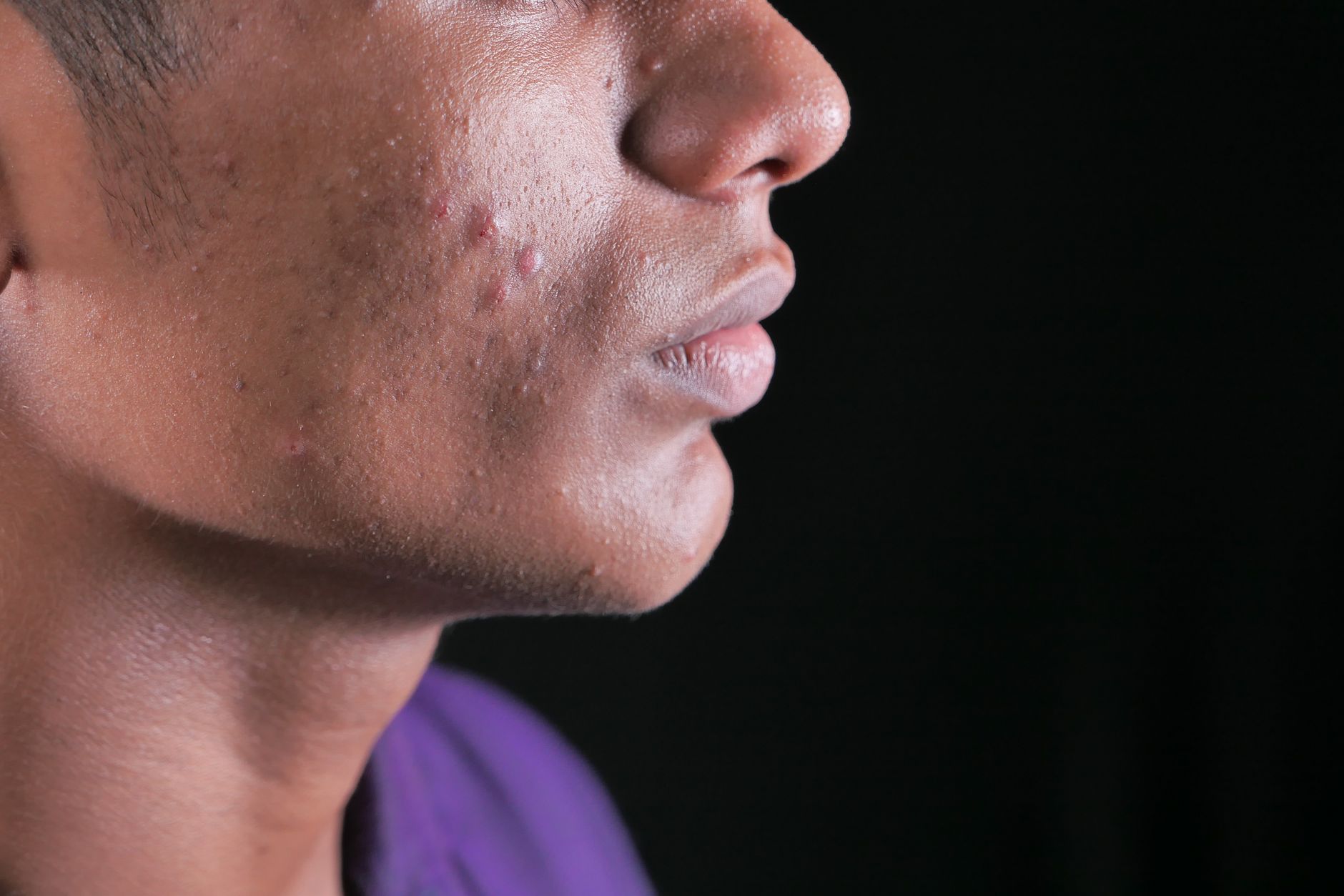
Extraction is dermatologist-performed removal of surface blackheads and whiteheads, not a cure for acne. Acne mainly affects adolescents and young adults, current evidence supports medicines over extraction, and most pimples are best left alone with proven topicals. Comedonal acne means clogged pores that form blackheads and whiteheads. Inflammatory acne involves red pimples, cysts, and nodules that sit deeper and scar more easily.
Medical information disclaimer: This article is for general educational purposes only and does not provide medical advice, diagnosis, or treatment. Always consult a physician or other qualified health professional about symptoms, medications, tests, or treatment decisions.
Table of Contents
- Who acne affects most
- What extraction can and cannot do
- Which treatments have stronger support
- What should you do for a breakout
Who acne affects most
Acne affects up to 85% of people ages 12-24 at some point, and about 50% continue to have manifestations ages 20-29, according to a Society and Development systematic review the systematic review. Adolescents and young adults are therefore most affected.
Ongoing acne in the twenties often involves the face, chest, and back. It can leave dark marks, depressed scars, and distress even when mild.
What extraction can and cannot do
Dermatologist extraction removes selected surface blackheads and whiteheads with gloves, a sterile needle or lancet, and a comedone extractor. Dermatology guidance says it is not appropriate for deep cysts or nodules.
Extraction does not prevent new breakouts or treat inflammation beneath the skin. The American Academy of Dermatology found insufficient evidence to recommend extraction, chemical peels, lasers and light devices, and microneedling as acne treatments, as reported by Managed Healthcare Executive the 2024 guideline summary.
Which treatments have stronger support
The American Academy of Dermatology strongly recommends topical benzoyl peroxide, retinoids, topical antibiotics in fixed combinations, oral doxycycline, and oral isotretinoin for severe acne with scarring or psychosocial burden, as reported by Medscape the 2024 AAD acne guideline report. Fixed combinations pair two actives to improve clearing and reduce antibiotic resistance.
The UK NICE guideline NG198 recommends first-line fixed combinations for mild-to-moderate acne: adapalene with benzoyl peroxide, tretinoin with clindamycin, or benzoyl peroxide with clindamycin. Benzoyl peroxide alone is the option when retinoids or antibiotics are declined or contraindicated.
What should you do for a breakout
Leave pimples alone and use a warm compress and evidence-based topicals. Squeezing or popping pushes oil, bacteria, and inflammation deeper, prolonging healing and risking infection, worse breakouts, lasting redness, permanent depressed scarring, and pigmentation changes, according to a ScienceAlert explainer citing dermatology evidence the science explainer on popping pimples. Seek dermatologist-led referral for warning signs: Bring a list of products tried, how long each was used, and photos showing change over time to that visit.
- severe, painful, or widespread breakouts
- scarring, dark marks, or pigment changes
- acne that resists store or prescribed treatment
- acne that causes embarrassment, anxiety, or low mood