
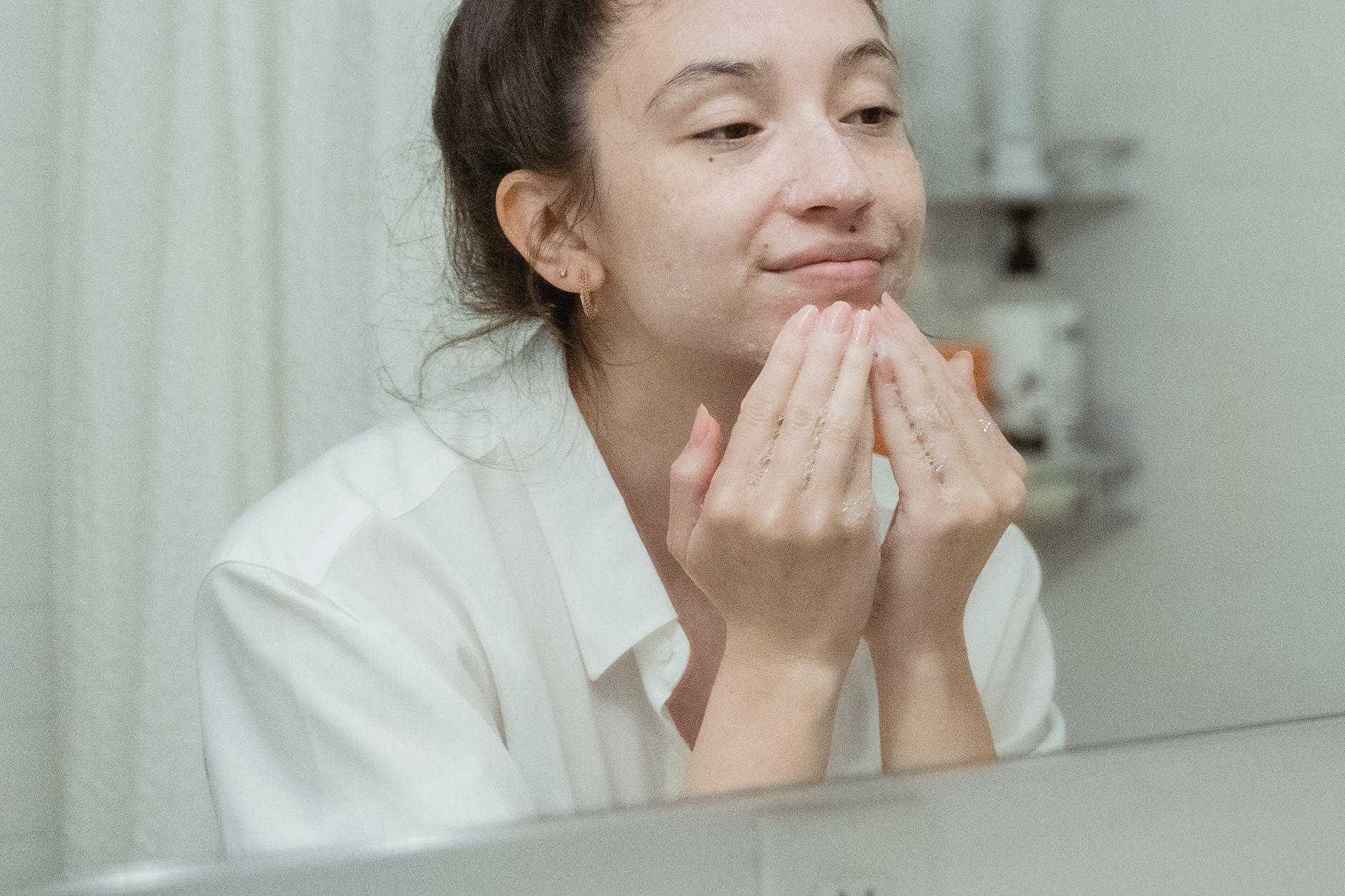
Benzoyl peroxide helps blackheads by releasing oxygen free radicals that kill acne bacteria in pores and by loosening dead cells that form plugs. Blackheads are open clogged follicles filled with oil and dead skin, not dirt. It clears some plugs and helps prevent new ones, but it works better for red pimples than for blackheads alone. It also does not change oil production or hormones, so results are limited when those drive breakouts.
Medical information disclaimer: This article is for general educational purposes only and does not provide medical advice, diagnosis, or treatment. Always consult a physician or other qualified health professional about symptoms, medications, tests, or treatment decisions.
Table of Contents
- What happens inside the pore?
- Why isn't it the first choice for blackheads?
- How do you use it for blackheads?
- What side effects should you plan for?
What happens inside the pore?
The Cleveland Clinic's overview, described in the Cleveland Clinic blackhead guide, explains that the dark color comes from irregular light reflection off the clogged follicle. Oil and dead skin collect in the open pore and harden into a plug. Benzoyl peroxide attacks that plug in two ways. Its label from the U.S.
National Library of Medicine DailyMed entry describes it as an oxidizing antibacterial with mild keratolytic action. On skin it releases active oxygen that kills anaerobic Cutibacterium acnes in follicles and comedones. The same keratolytic action promotes shedding of dead surface cells and loosens pore plugs. That helps clear existing comedones and makes it harder for new blackheads to stick together.
Why isn't it the first choice for blackheads?
Benzoyl peroxide is most potent against inflammatory papules and pustules and only moderately effective for comedonal blackheads. Predominantly comedonal acne is often treated first with adapalene 0.1% or another retinoid that normalizes follicular keratinization. Retinoids address the excess sticky skin cells that build the plug. Benzoyl peroxide helps more with bacteria and surface shedding.
For many people with mostly blackheads, a retinoid reaches the root process more directly. Combination treatment is common for mixed acne. The American Academy of Dermatology 2024 guidelines reported through Newswise strongly recommend benzoyl peroxide, especially with a topical retinoid or topical antibiotic. The guidelines also advise adding benzoyl peroxide when antibiotics are used to limit resistance.
How do you use it for blackheads?
Start low. A 2.5% concentration is reported to kill acne bacteria as well as 5% or 10% while causing much less dryness, peeling, and irritation. A pea-sized amount for a small zone is usually enough.
Use it once daily after gentle washing, then move to twice daily only if skin tolerates it. MedlinePlus directs users to test one or two small areas for three days first and watch for redness, burning, or peeling. Apply to blackhead-prone areas, not only single spots, because prevention matters. Let it dry fully before moisturizer or bedding contact to reduce bleaching and spread.
What side effects should you plan for?
Expect local irritation, especially in the first weeks. Common effects include dryness, redness, burning, stinging, and peeling around the nose, chin, and forehead. It bleaches hair, towels, pillowcases, and dark fabrics.
Use white bedding during adjustment, wash hands after application, and avoid contact with clothes until dry. Stop and get care for severe burning, swelling, blistering, or signs of allergy. For mild irritation, reduce frequency, use a smaller amount, add a plain moisturizer, and avoid harsh scrubs, alcohol toners, and other peeling products on the same days.