
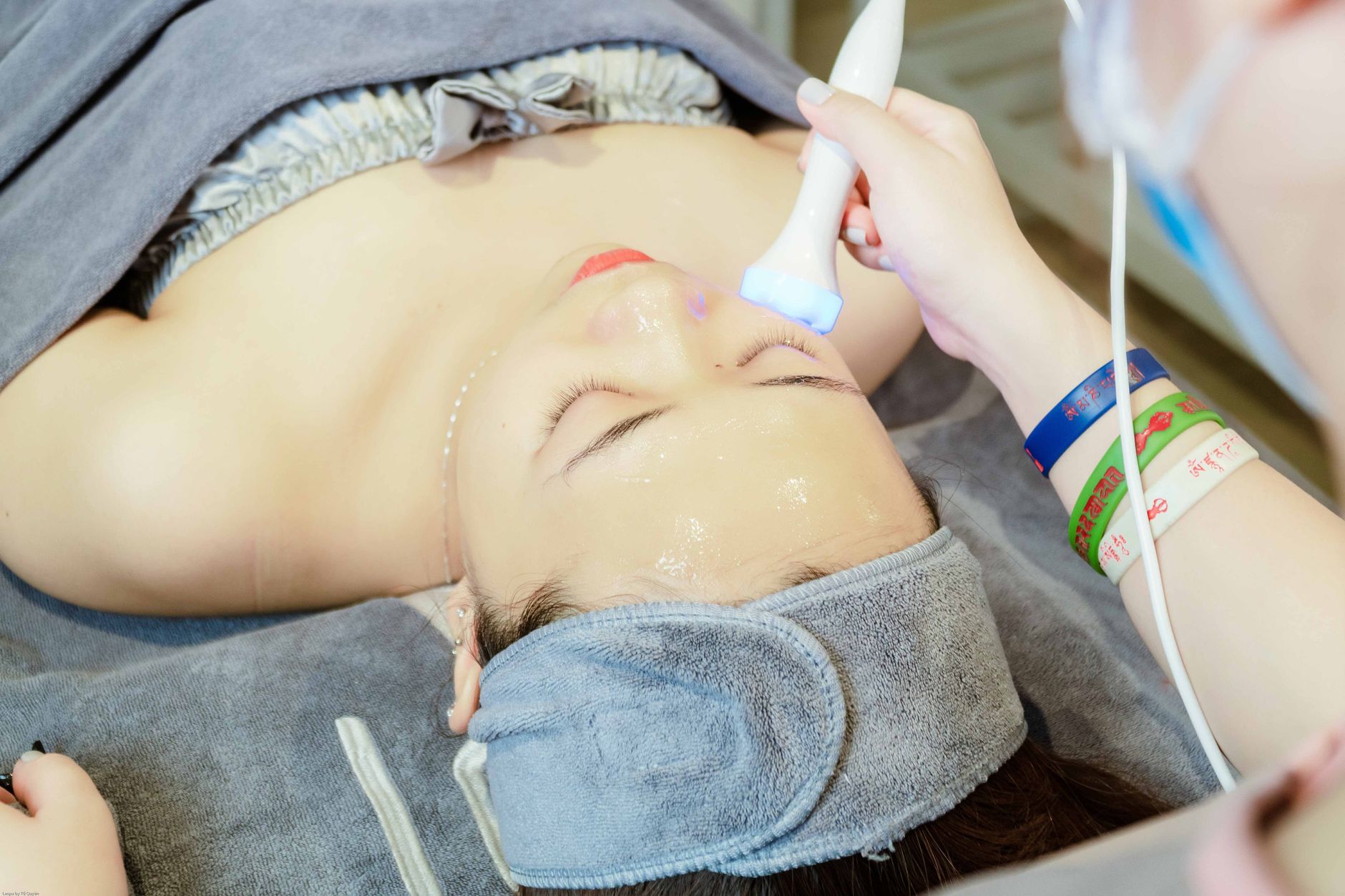
Yes — dual-wavelength 589/1319 nm laser treatment can improve persistent acne redness with no downtime, and specific questions help adults decide if it fits. Acne erythema is lingering red color from enlarged surface vessels after pimples fade, not brown spots or pitted scars.
The Journal of Cosmetic Dermatology reported a 2026 split-face trial. Laser sides reached at least 1-grade improvement in 72% of cases versus 69% with soothing gel, with earlier response and higher satisfaction the trial summary. Ask your dermatologist whether faster fading matters for your work, photos, or makeup routine.
Medical information disclaimer: This article is for general educational purposes only and does not provide medical advice, diagnosis, or treatment. Always consult a physician or other qualified health professional about symptoms, medications, tests, or treatment decisions.
Table of Contents
- How do the two wavelengths work together?
- What change in breakouts can you discuss?
- Is this laser for redness or for active acne?
- What should you ask before booking?
How do the two wavelengths work together?
The Journal of Cosmetic Dermatology describes 589 nm light as targeting hemoglobin in surface microvessels that drive red marks. It describes 1319 nm light as heating dermal water to stimulate fibroblasts and new collagen the wavelength analysis. One wavelength addresses visible vessels, the other addresses texture and dermal support.
Ask where your redness sits in that picture. Flat pink marks after recent breakouts point more to vessels. Mixed redness plus rough texture or enlarged pores brings the second wavelength into play.
What change in breakouts can you discuss?
The Archives of Dermatological Research reported about 21–23% fewer inflammatory lesions after four 589/1319 nm sessions at 2–3-week intervals, with roughly 86% of patients improving the lesion-count study. Untreated skin sides in that study showed more lesions during the same period.
Ask how to pair sessions with daily care. Bring your current benzoyl peroxide, retinoid, or antibiotic routine and ask what stays, what pauses on laser days, and how flares get handled.
Is this laser for redness or for active acne?
Ask directly what your device targets on your face. Redness care aims at surface vessels and skin texture.
Acne-activity care aims more at oil glands, bacteria, and clogged pores. Use that split to compare pain, swelling, redness duration, and dark-spot risk for your skin tone. Ask how many passes, what cooling is used, what sun protection is required, and what a test spot can show first.
What should you ask before booking?
American Academy of Dermatology guidance gives strong recommendations to topical benzoyl peroxide, retinoids, antibiotics and combinations plus oral isotretinoin for severe acne, with light devices only conditionally recommended the AAD guidance summary. That makes dual-wavelength laser an add-on for most adults, not a replacement for proven topicals. Ask for a clear plan in writing, then check fit, cost, and follow-up: Bring recent photos during a flare and a list of current topicals to that visit.
- How many sessions at what interval do you suggest for my redness pattern?
- What cooling, numbing, and sun-avoidance steps lower my risk?
- What short-term redness, swelling, pigment change, or breakout should prompt a call?
- What is the total cost, what does insurance exclude, and what maintenance looks like?
You Might Also Like
- The 36-Patient Acne Laser Pilot Published in 2026: Questions Adults With Persistent Acne Can Ask a Dermatologist
- IPL vs PDL vs Nd:YAG for Inflammatory Acne in a 2026 Pilot: Questions Adults With Persistent Acne Can Ask a Dermatologist
- Microneedle Radiofrequency With Low-Dose Isotretinoin in 2026: Questions Adults With Persistent Acne Can Ask a Dermatologist