
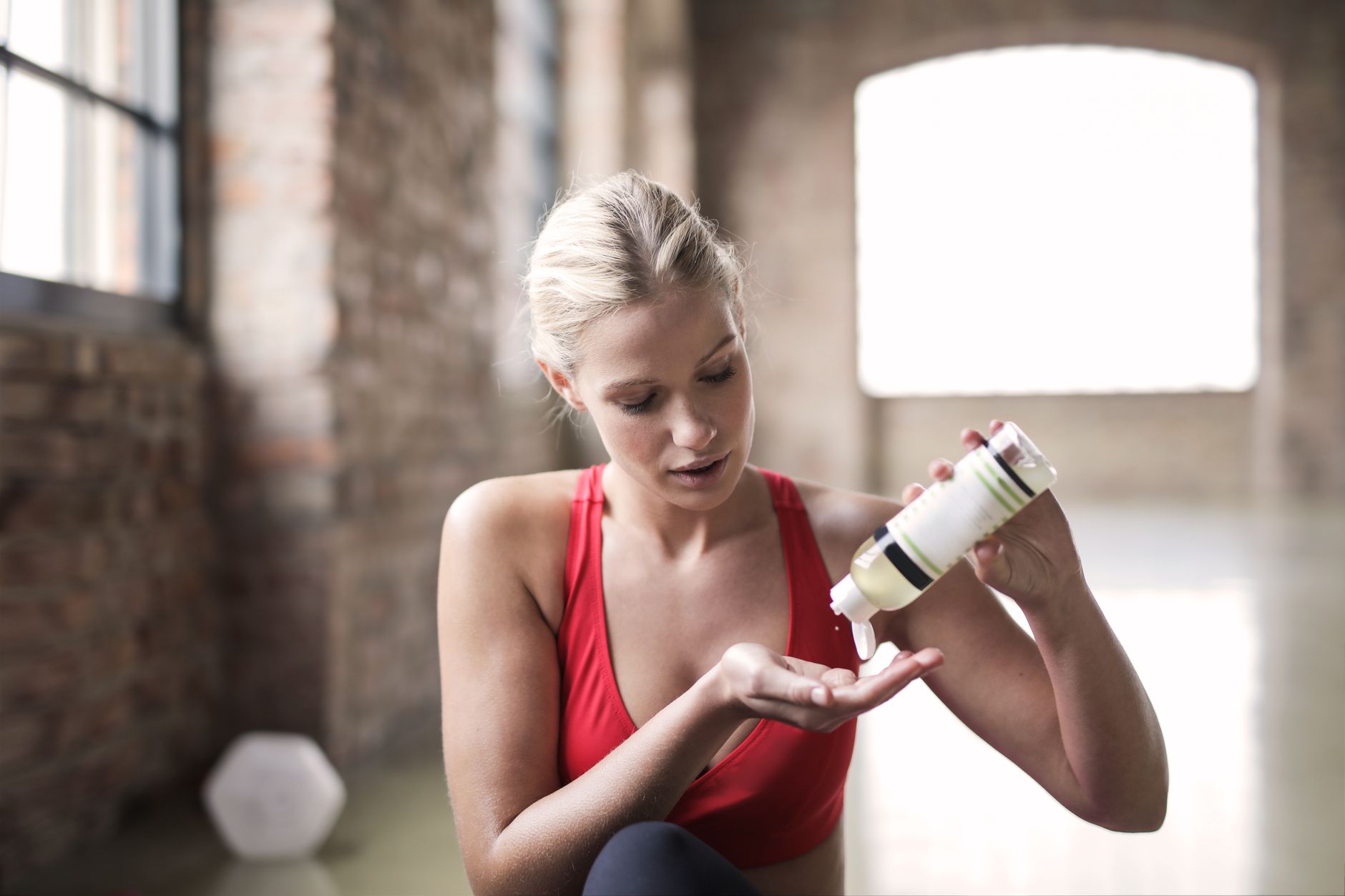
Yes, wearing a sports bra all day can make chest acne worse. The risk rises when the bra is tight, stays damp with sweat, and remains on for hours after exercise.
The main cause is acne mechanica. That term means breakouts caused by pressure, friction, and trapped heat irritating hair follicles. According to the American Academy of Dermatology, prolonged pressure from tight athletic gear can turn small irritated bumps into inflamed pimples on the chest, back, and shoulders sports equipment and breakouts.
Medical information disclaimer: This article is for general educational purposes only and does not provide medical advice, diagnosis, or treatment. Always consult a physician or other qualified health professional about symptoms, medications, tests, or treatment decisions.
Table of Contents
- Why all-day wear irritates chest skin
- Is sweat itself the problem?
- Who gets chest breakouts more easily?
- How to lower the risk without giving up sports bras
- When changing bras is not enough
Why all-day wear irritates chest skin
A tight band and straps press on the same skin for hours. The fabric rubs with every movement and traps warmth and moisture underneath. That combination pushes normal surface bacteria down into follicles where chest acne starts.
A damp, occlusive fit keeps the irritants in place instead of letting skin dry and calm down. Changing out of the workout bra removes pressure and sweat at the same time. A dry chest gives irritated follicles a better chance to settle.
Is sweat itself the problem?
Sweat alone does not directly form pimples. Dermatologist Sean McGregor told the Cleveland Clinic that heat, humidity, excess oil, bacteria, friction, and heavy lotions plus sunscreen combine to clog pores and inflame skin why sweat triggers pimples. A sports bra worn all day holds that mixture against the chest.
Oil, dirt, sweat, and bacteria stay pressed under elastic rather than washing or evaporating away. Dermatologists therefore advise changing into clean, dry clothing promptly after exercise. Toweling off during workouts and wiping shared equipment can also reduce pore-clogging buildup.
Who gets chest breakouts more easily?
People with sensitive skin face higher risk from repetitive bra friction. Existing acne or eczema also makes chest skin react faster to rubbing and trapped moisture. For these readers, irritation can mean both acne mechanica and an irritant rash.
Redness, itching, small bumps, and tender pimples may appear along the band, straps, or center chest. A bra that felt fine for short workouts may still cause trouble worn from morning through evening. Longer contact means more friction, moisture, and bacterial buildup.
How to lower the risk without giving up sports bras
Fit matters most. Choose a supportive but not overly tight band, with breathable or moisture-wicking fabric. A bra that dries faster traps less heat against follicles.
Wash the bra after sweaty use. Keep a clean, dry top or bra available when exercise ends, especially on humid days. Shower as soon as possible after heavy sweating. Dermatologist Rosanne Paul at Case Western Reserve University recommends a well-fitting breathable bra, washing it after sweaty use, and avoiding all-day wear in a damp, tight band how to manage body acne.
When changing bras is not enough
Chest breakouts also come from hormones, thick moisturizers or sunscreens, hair products, and yeast-related folliculitis. A new washing or changing routine may improve friction pimples but leave other causes untouched.
Look at products that sit on chest skin for hours. Heavy creams, oily sunscreen, and fragrant hair conditioner can spread onto the chest and clog pores. Seek dermatology care for painful lumps, widespread breakouts, itchy folliculitis, or acne that lasts after several weeks of drier, lower-friction habits.