
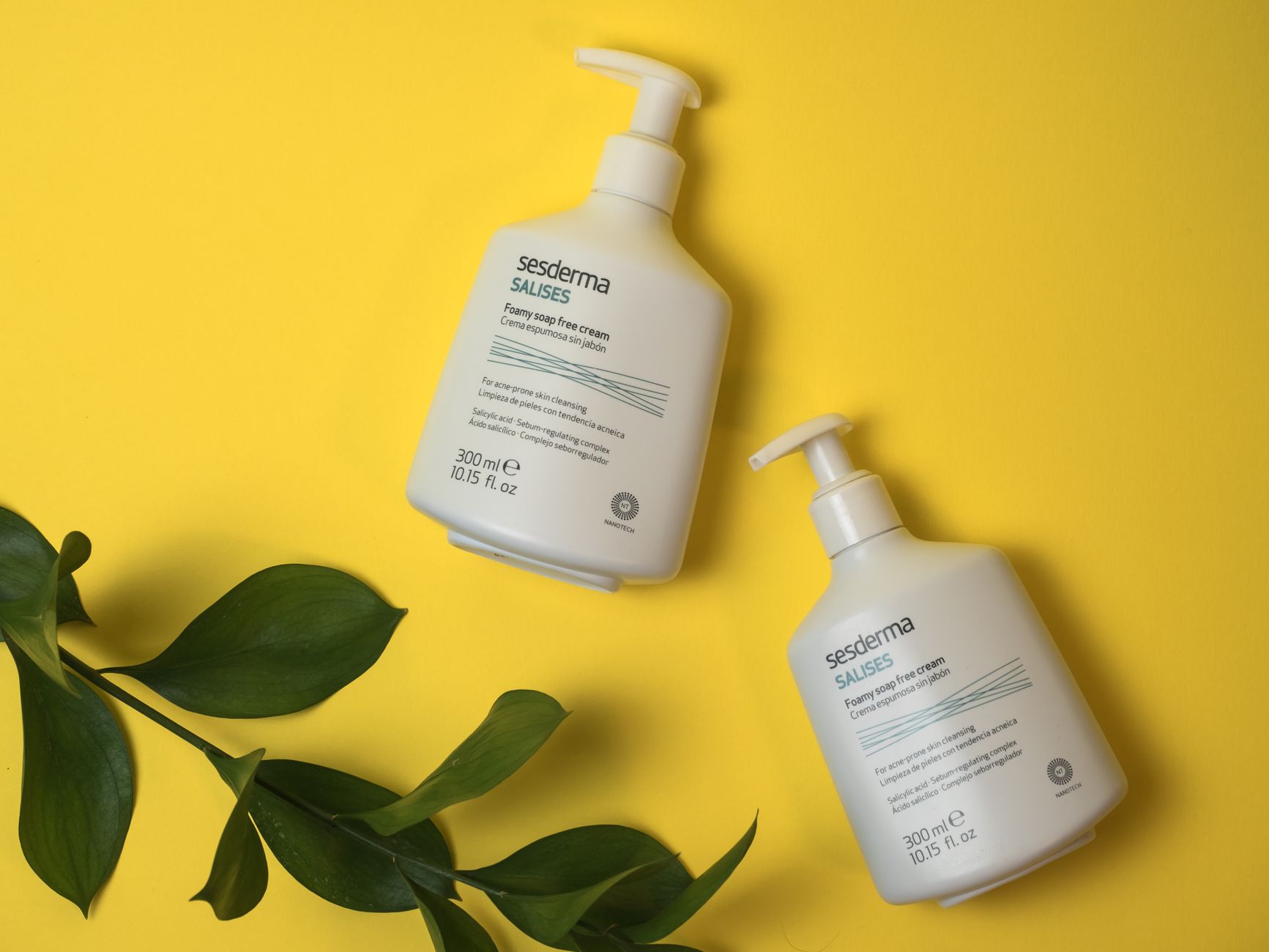
The dermatologist-recommended routine for men with acne is gentle cleansing, daily moisturizing, and morning sunscreen, plus hands-off care and careful shaving. Acne is clogged hair follicles from sebum and dead skin cells, which form pimples most often on the face. Teenagers and adults get acne, including people in their 40s and 50s. A simple, consistent routine works best, with prescription care added when breakouts persist.
Medical information disclaimer: This article is for general educational purposes only and does not provide medical advice, diagnosis, or treatment. Always consult a physician or other qualified health professional about symptoms, medications, tests, or treatment decisions.
Table of Contents
- Daily cleanse, moisturize, and protect
- Which products help or hurt?
- How can men avoid picking and shave damage?
- When should men see a dermatologist?
Daily cleanse, moisturize, and protect
Wash acne-prone skin up to twice daily and after sweating. Use fingertips and a non-abrasive cleanser, since scrubbing and tools irritate skin.
The American Academy of Dermatology gives this washing advice in its acne care guidance. Follow this order each day: Keep the routine the same for several weeks. Consistency matters more than adding extra products.
- Wash gently morning and night, plus after heavy sweat
- Apply moisturizer daily to reduce dryness and irritation
- Finish mornings with broad-spectrum water-resistant sunscreen SPF 30 or higher, even on cloudy days
Which products help or hurt?
Choose alcohol-free, gentle products made for sensitive or acne-prone skin. Avoid irritating toners and exfoliants, which can dry skin and make acne look worse. The American Academy of Dermatology warns against those harsh products in its acne care guidance.
Fragrance, menthol, and strong astringents often sting or burn. If a product burns, stop using it and return to cleanser, moisturizer, and sunscreen. Fewer steps make it easier to spot the cause.
How can men avoid picking and shave damage?
Do not pick, pop, squeeze, scrub, or touch pimples. Touching can worsen breakouts, cause scarring, and prolong healing, according to the National Institute of Arthritis and Musculoskeletal and Skin Diseases in its acne treatment steps.
Shaving needs extra care during breakouts. Wet skin first, use moisturizing shaving cream, and shave in the direction hair grows. Change blades every five to seven shaves, and switch to a single- or double-blade razor if bumps occur.
When should men see a dermatologist?
See a dermatologist for persistent, painful, spreading, or scarring acne. Dermatologists may prescribe topical benzoyl peroxide, topical retinoids, topical antibiotics or combinations, oral doxycycline for moderate disease, or isotretinoin for severe or scarring acne.
Expect slow change. Treatment often takes six to twelve weeks to show improvement, and prescription retinoids, antibiotics, and isotretinoin need medical supervision. Start with cleanse, moisturize, and protect now, then get prescription advice if pimples do not improve.