
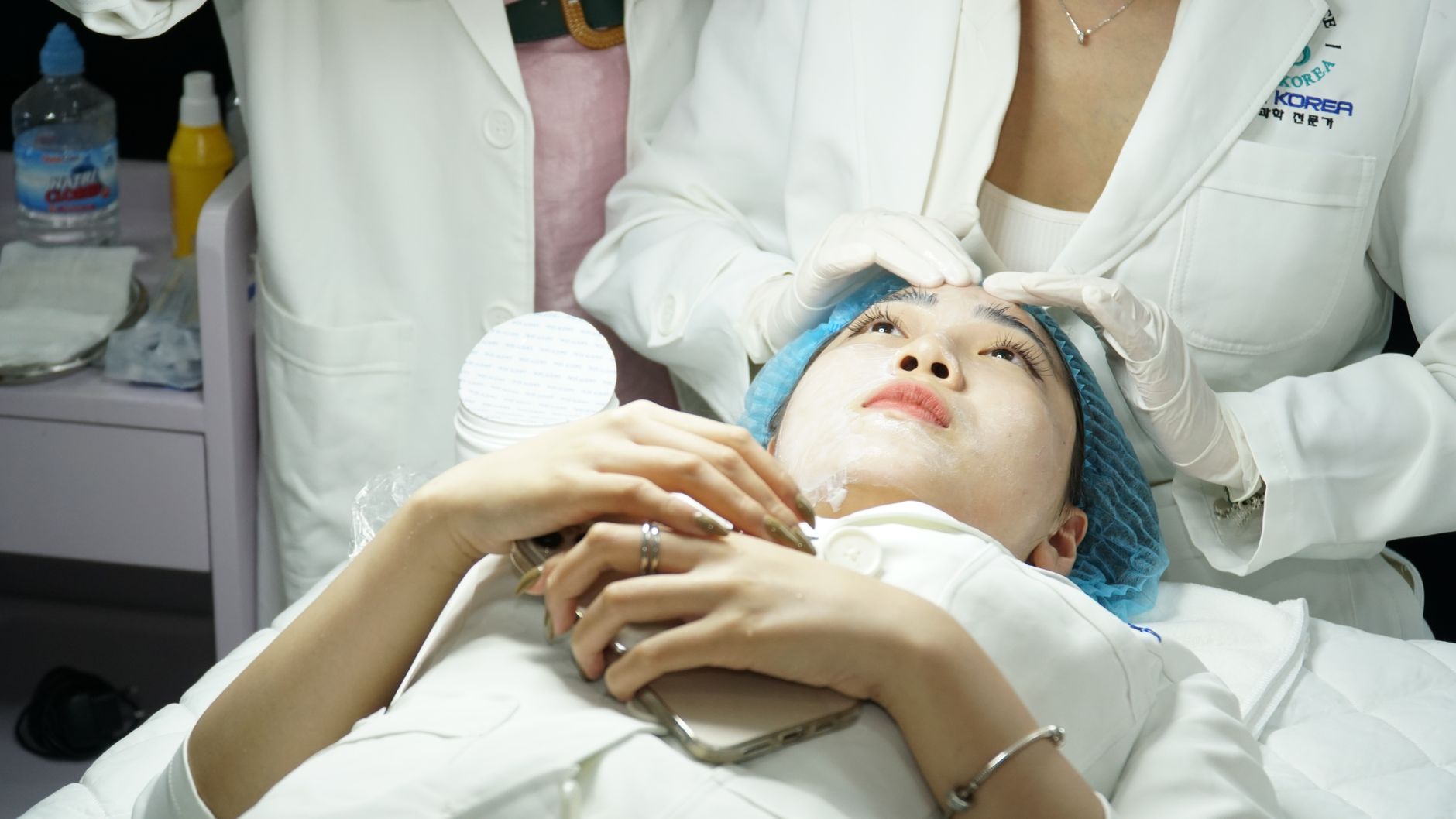
Yes — adults with cystic acne should see a dermatologist rather than treating it alone. Cystic acne means painful, pus-filled pimples deep under the skin that form when oil and dead skin cells clog pores. These lesions run a higher risk of lasting marks and infection than ordinary pimples. According to the Cleveland Clinic, dermatologist treatment lowers the risk of permanent scarring and skin infection compared with self-treatment alone, as described in Cleveland Clinic's cystic acne overview.
Medical information disclaimer: This article is for general educational purposes only and does not provide medical advice, diagnosis, or treatment. Always consult a physician or other qualified health professional about symptoms, medications, tests, or treatment decisions.
Table of Contents
- Why cysts scar more easily
- Why drugstore products rarely control it
- What a dermatologist can offer
- What to know about isotretinoin safety
Why cysts scar more easily
Cystic breakouts sit deep and often feel large and tender to touch. That depth makes the wall of the pore more likely to break open under pressure.
A break below the surface can spread inflammation and leave a pit or dark mark. Touching the area raises that risk. Picking or popping painful cysts can push bacteria deeper and prolong healing.
- Keep hands off tender bumps
- Do not pick at crusts or squeeze deep lumps
- Do not try to lance a painful cyst at home
Why drugstore products rarely control it
Over-the-counter washes and spot treatments can help mild surface pimples. They have little effect on hormonal cystic acne, which starts deep in the pore. UPMC HealthBeat notes that effective control of this type generally requires seeing a dermatologist, as explained in UPMC's guide to cystic acne.
That limit matters for timing. Months spent cycling through mild products allow painful lesions to recur in the same spots. A dermatologist can assess severity, scarring risk, and next treatment steps sooner.
What a dermatologist can offer
Care aims to clear active lesions, prevent new scars, and reduce pain. UPMC HealthBeat reports that treatment under dermatologic care can also improve self-esteem and social confidence in affected adults.
For persistent disease, options include prescription-strength care. The American Academy of Dermatology's 2024 guidelines strongly recommend oral isotretinoin for severe acne, acne causing scarring or psychosocial burden, or acne failing standard oral or topical therapy, as summarized in the Academy's updated acne guidelines. The same guidelines list injectable corticosteroids as an option for larger bumps to relieve inflammation and pain more rapidly.
What to know about isotretinoin safety
Isotretinoin is reserved for moderate or severe acne that has not responded to other treatments. It carries risks including inflammatory bowel disease, depression, and severe birth defects. Use requires participation in an FDA risk program and regular physician monitoring.
Ask what follow-up schedule, lab checks, and pregnancy prevention steps apply to you. Bring a list of past topical and oral treatments and how your skin responded. Do not start, share, or stop this drug without direct medical supervision.