
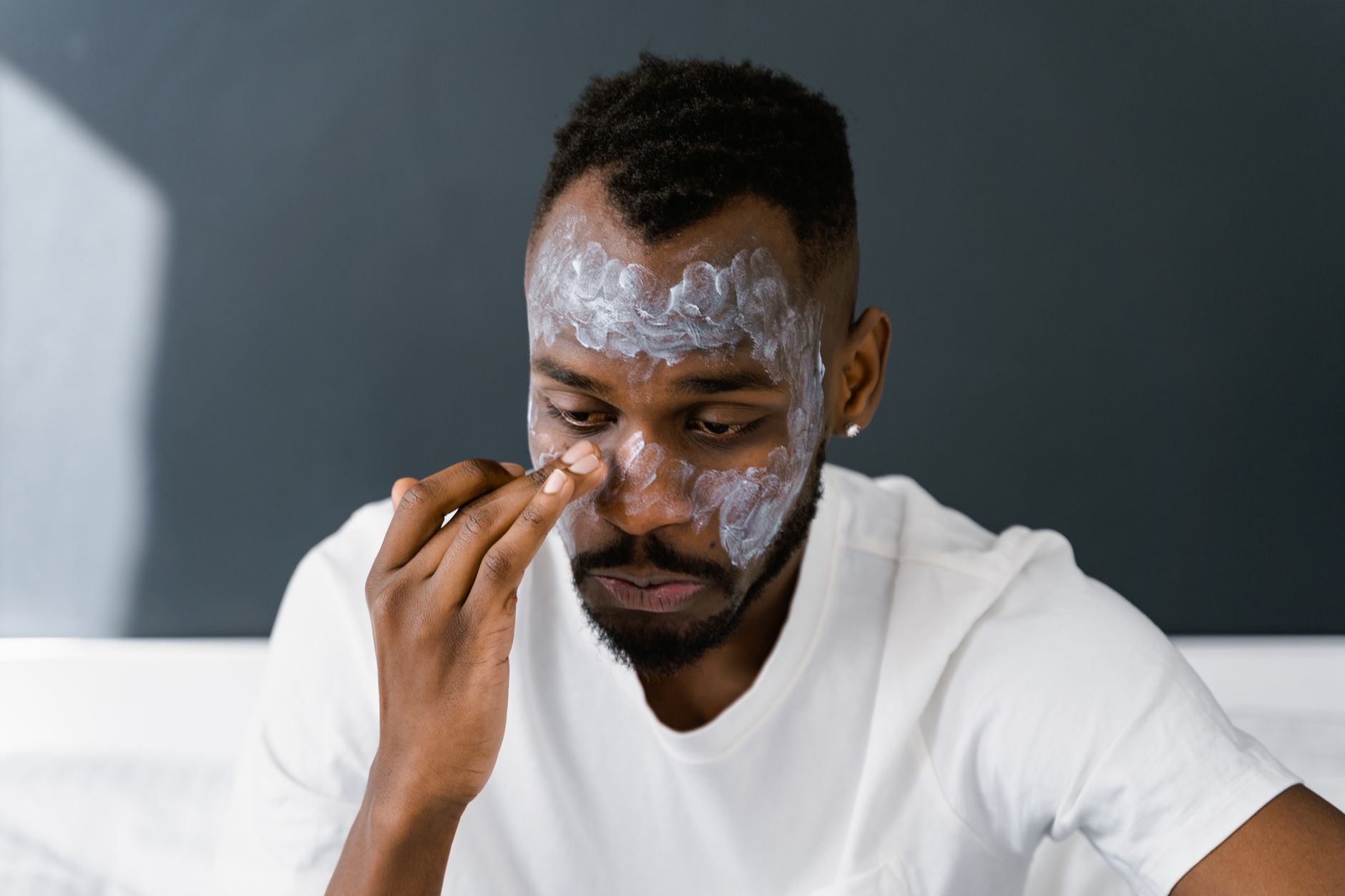
Dermatologists say there is no safe way to pop a blind pimple at home. A blind pimple is a deep, painful bump under the skin with no whitehead, and squeezing it risks deeper infection and scarring.
That bump forms when oil, dead skin, bacteria, and hair block a pore deep below the surface. Cleveland Clinic describes it as feeling like a painful pea-like lump. The safest choice is to reduce inflammation and let it drain or resolve on its own.
Medical information disclaimer: This article is for general educational purposes only and does not provide medical advice, diagnosis, or treatment. Always consult a physician or other qualified health professional about symptoms, medications, tests, or treatment decisions.
Table of Contents
- Why dermatologists say leave it alone
- How can you help it come to a head?
- Do spot treatments or patches help?
- When should you see a dermatologist?
Why dermatologists say leave it alone
Pressure from squeezing can rupture the lesion inward. Cleveland Clinic warns that this pushes bacteria and pus deeper, prolongs healing, and raises the risk of scars and dark marks. Northwestern Medicine dermatologist Lauren Taglia, MD, PhD, says no pimple type is truly safe to pop in the explainer how dermatologists advise handling pimples.
She advises against popping red, sore, or new pimples without a white head near the surface. Manipulation can also leave color changes that last longer than the pimple itself. Northwestern Medicine notes this risk is higher in darker skin tones.
How can you help it come to a head?
Start with a warm, wet washcloth compress. Hold it on the spot for 5-10 minutes, several times daily, to soften skin and increase blood flow.
Cleveland Clinic says this gentle heat helps the pimple drain or form a head naturally in its guide to bringing a blind pimple to a head. Use a clean washcloth each time and light pressure only.
- Wash hands and face with gentle cleanser
- Apply warm, damp washcloth for 5-10 minutes
- Repeat several times daily
- Stop if skin burns, cracks, or swells more
Do spot treatments or patches help?
For mild blind pimples, benzoyl peroxide or salicylic acid spot treatments are a preferred first step. Cleveland Clinic says they reduce surface bacteria and inflammation and help shed dead cells. Hydrocolloid pimple patches cover the spot, absorb drainage, and keep healing moist.
They also block picking during the day or night. Dermatologist Amy Kassouf, MD, says patches work best for open or already-picked zits in the Cleveland Clinic review of how pimple patches aid healing. They help less on a closed, deep bump with no opening.
When should you see a dermatologist?
Seek care for a large, very painful, or persistent underground lesion. A dermatologist can inject dilute corticosteroid to reduce swelling within about 24-48 hours. Dermatologist Joshua Zeichner, MD, describes this as an option for people who cannot clear cystic acne with topical care.
Do not try to inject or lance the bump yourself. Book sooner if the bump grows rapidly, shows spreading redness, feels hot, or keeps returning in the same spot. Bring a list of products you already tried.