
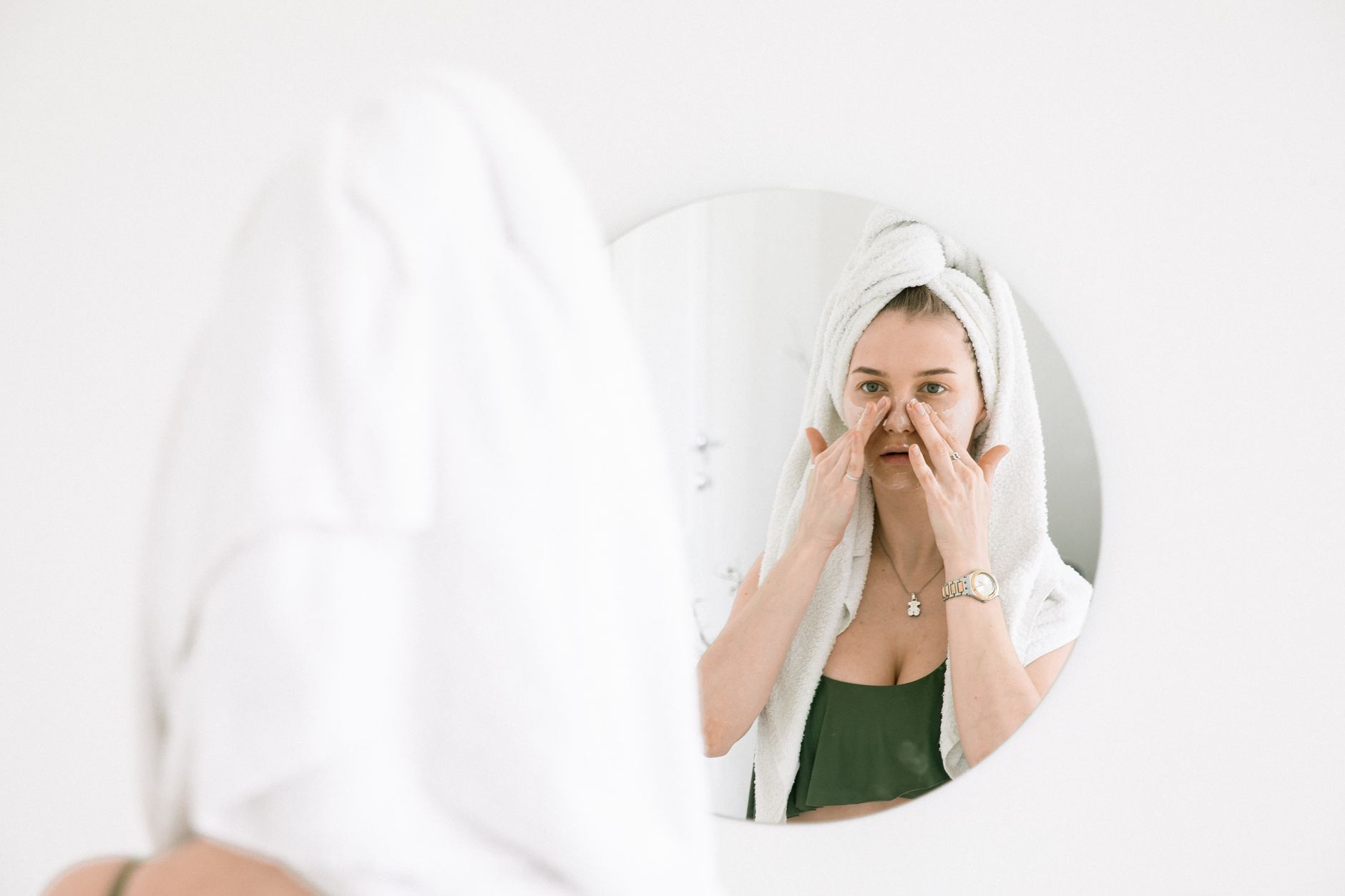
Chloë Grace Moretz says dirty towels and pillowcases triggered her breakouts, and dermatologists say clean linen can reduce flare-ups in acne-prone skin. For people with cystic acne — painful lumps under the skin — fresh linen eases a trigger but does not cure the disease alone. Moretz says she developed prolonged cystic acne around filming 2013's Carrie.
She says her skin cleared within about three to four months after simplifying her routine to olive oil. Vogue captured the linen and olive-oil remarks in its Beauty Secrets video. The List details the three-to-four-month clearing period in its summary of the Vogue interview.
Medical information disclaimer: This article is for general educational purposes only and does not provide medical advice, diagnosis, or treatment. Always consult a physician or other qualified health professional about symptoms, medications, tests, or treatment decisions.
Table of Contents
- What Moretz Said About Towels and Pillowcases
- Why Linen Affects Acne-Prone Skin
- How Often Should You Change Them?
- When to Rely on Proven Treatment
What Moretz Said About Towels and Pillowcases
Moretz ties her breakouts directly to reused towels and pillowcases. She pairs that linen change with olive oil as the cleanser that helped her cystic acne. Her account frames fewer products plus cleaner fabric as the turning point.
That personal timeline matters for readers with similar persistent teen acne. It shows a simple routine can coincide with clearing in months, not days. It does not make linen swaps a standalone cure.
Why Linen Affects Acne-Prone Skin
A 2025 PMC/NIH review defines acne vulgaris as excess sebum, clogged follicles, Cutibacterium acnes growth and inflammation. Dirt alone does not cause it.
A dermatologist quoted by OnlyMyHealth explains that hormones and genetics drive acne, while fabric residue worsens it, in this dermatologist answer on pillowcases. Nightly contact presses sweat, oil, saliva, dead skin and hair-product residue into pores. Acne-prone skin reacts faster to that buildup.
How Often Should You Change Them?
Parade, quoting Dr. Marisa Garshick in March 2025, advises changing pillowcases at least weekly and every two to three days for acne-prone skin, in this pillowcase schedule.
Fresh cases reduce bacteria, dirt and oil contacting skin. A December 2025 CEO Today Magazine hygiene review warns that damp reused towels can harbor bacteria and mildew that irritate skin. It advises acne-prone users to use a clean face towel rather than sharing or reusing body towels.
- Change pillowcases at least weekly; every two to three days for acne-prone skin.
- Use a clean face towel, not a shared or reused body towel.
- Avoid damp towels on breakout areas; dry towels fully between uses.
When to Rely on Proven Treatment
Current American Academy of Dermatology guidance, reported via Newswise in December 2024, centers on reducing sebum, unclogging pores, killing bacteria and calming inflammation. Proven topicals, oral agents or isotretinoin do that work, making linen hygiene only an adjunct.
No large randomized trial shows clean linen alone cures cystic acne, a limit noted in an AMA dermatologist explanation. That gap matters because scarring acne needs medical care. See a dermatologist promptly for persistent, painful or scarring breakouts.