
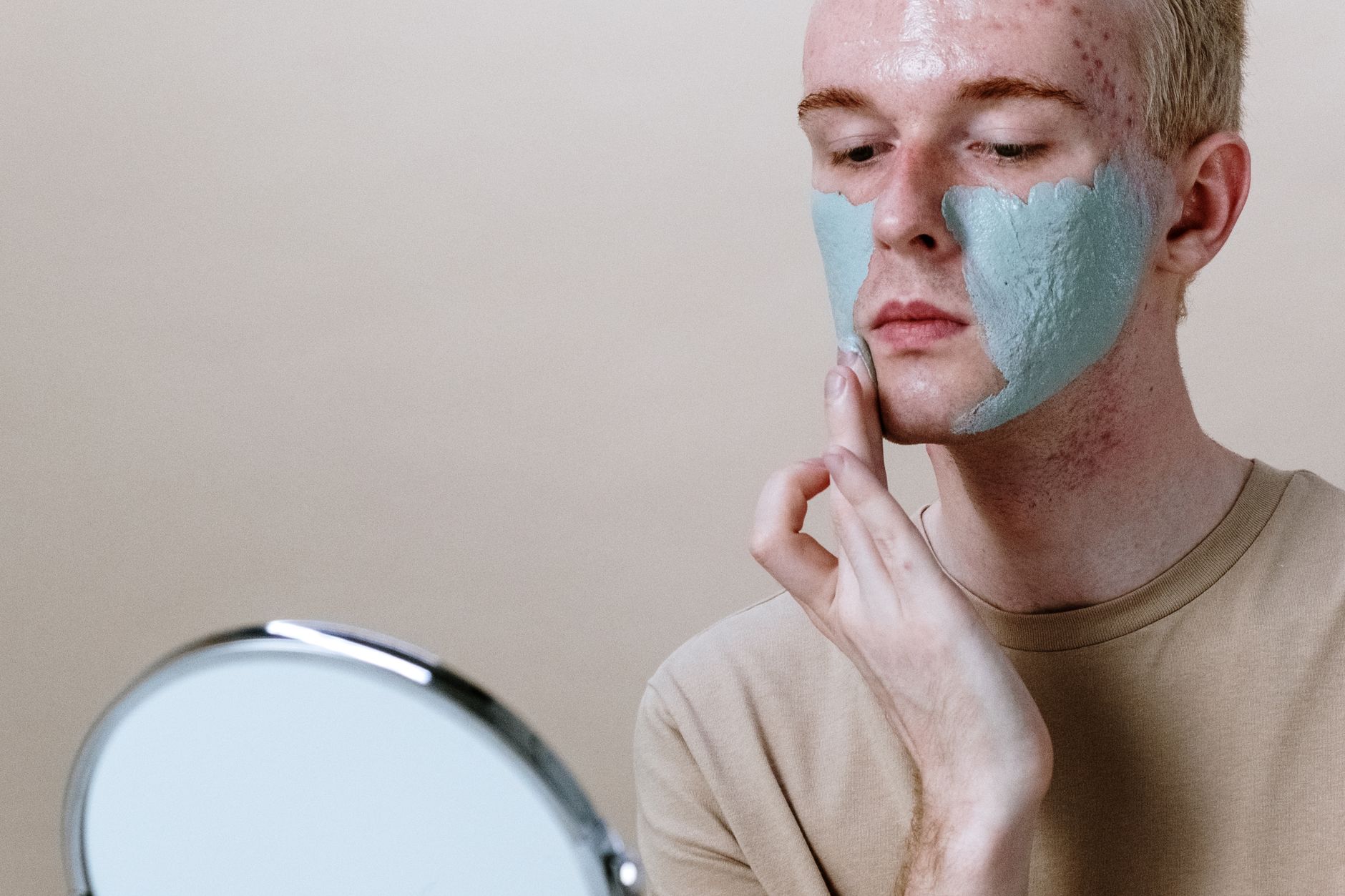
Chest acne is the same clogged-pore breakout you get on your face, just on your chest, and for most beginners it responds to simple over-the-counter care used consistently. Acne is the most common skin condition in the United States, affecting nearly 50 million people a year and roughly 85% of those aged 12 to 24, according to the American Academy of Dermatology, so body breakouts like this are ordinary, not a sign you did something wrong. This guide explains why chest acne happens, which treatments are worth trying first, how to use them safely, and when to stop self-treating and see a doctor. The aim is a calm, evidence-based starting point rather than a long list of products.
Medical information disclaimer: This article is for general educational purposes only and does not provide medical advice, diagnosis, or treatment. Always consult a physician or other qualified health professional about symptoms, medications, tests, or treatment decisions.
Table of Contents
- Why chest acne shows up
- What to try first
- Use less, not more
- The benzene question
- When to see a dermatologist
- Frequently Asked Questions
Why chest acne shows up
acne forms when dead skin cells and excess sebum, the skin's natural oil, clog a pore. When that plug traps bacteria, the pore becomes inflamed and you get a pimple.
chest skin actually has fewer oil glands than the face, so the Mayo Clinic Health System notes that breakouts there are often triggered or worsened by friction and trapped sweat from tight or damp clothing. A sweaty workout shirt, a heavy backpack strap, or a snug sports bra left on for hours all fit this pattern. That gives you a practical first move that costs nothing: shower and change out of damp clothes soon after sweating, and choose looser, breathable fabrics when you can.
What to try first
Two ingredients handle most mild chest acne, and both are sold over the counter without a prescription, per the American Academy of Dermatology. For the chest specifically, a benzoyl peroxide body wash is easy to use: lather, leave it on briefly, then rinse. Give any routine real time before judging it.
- **Benzoyl peroxide** kills acne-causing bacteria and suits mild pimples. The AAD recommends starting at a lower 2.5% strength rather than up to 10%, because the weaker version limits dryness, redness, and burning while still working.
- **Salicylic acid** unclogs pores and exfoliates, which helps whiteheads and everyday pimples.
Use less, not more
The most common beginner mistake is stacking products, hoping to speed things up. The AAD advises using only one or two products and waiting six to eight weeks before judging results or adding anything, because piling on treatments irritates skin and can actually worsen acne. Retinoids, vitamin-A creams that speed cell turnover, are a common next step, but they add cautions. The FDA's tretinoin label notes they cause sun sensitivity, so pair them with a broad-spectrum SPF 30+ non-comedogenic sunscreen and limit sun exposure.
That same label warns that combining a retinoid with benzoyl peroxide can increase irritation, so introduce changes one at a time. And resist squeezing. The AAD warns that popping or picking pushes the contents deeper, raises inflammation, and increases the risk of infection and permanent scarring. Dab medication on the spot instead.
The benzene question
You may have seen headlines about benzene, a known carcinogen, in benzoyl peroxide products. Here is what the evidence actually says. In March 2025 the FDA reported testing 95 benzoyl peroxide acne products.
The vast majority had no detectable benzene; six exceeded thresholds and were voluntarily recalled. The agency said that even with daily use for decades the resulting cancer risk is very low, and that patients need not stop using unaffected products. There is a simple storage step behind this. Because benzoyl peroxide can degrade into benzene under heat and UV light, the AAD recommends storing products at cool room temperature, away from heat sources like a hot car.
When to see a dermatologist
Over-the-counter care is enough for many people, but not all. If your acne is severe, painful, leaving marks, or simply not improving after a fair trial, that is the signal to get professional help rather than escalate on your own. A dermatologist can prescribe options you cannot buy yourself.
One is isotretinoin, approved for severe nodular acne in patients 12 and older. The FDA notes it carries an extreme risk of birth defects and is dispensed only through the iPLEDGE program, which requires two forms of contraception and pregnancy testing for patients who can become pregnant. That is powerful, closely monitored medicine, and exactly the kind of decision a clinician should guide.
Frequently Asked Questions
Can I use a benzoyl peroxide face wash on my chest?
Yes. A benzoyl peroxide wash works the same on chest skin; a lower 2.5% strength limits dryness and irritation while still reducing bacteria.
How long before I see results?
Give a routine six to eight weeks before judging it or adding anything, since acne treatments work gradually and switching too soon just irritates skin.
Should I stop using benzoyl peroxide because of benzene?
The FDA found most tested products had no detectable benzene and said the risk is very low; store yours away from heat and don't stop using unaffected products.