
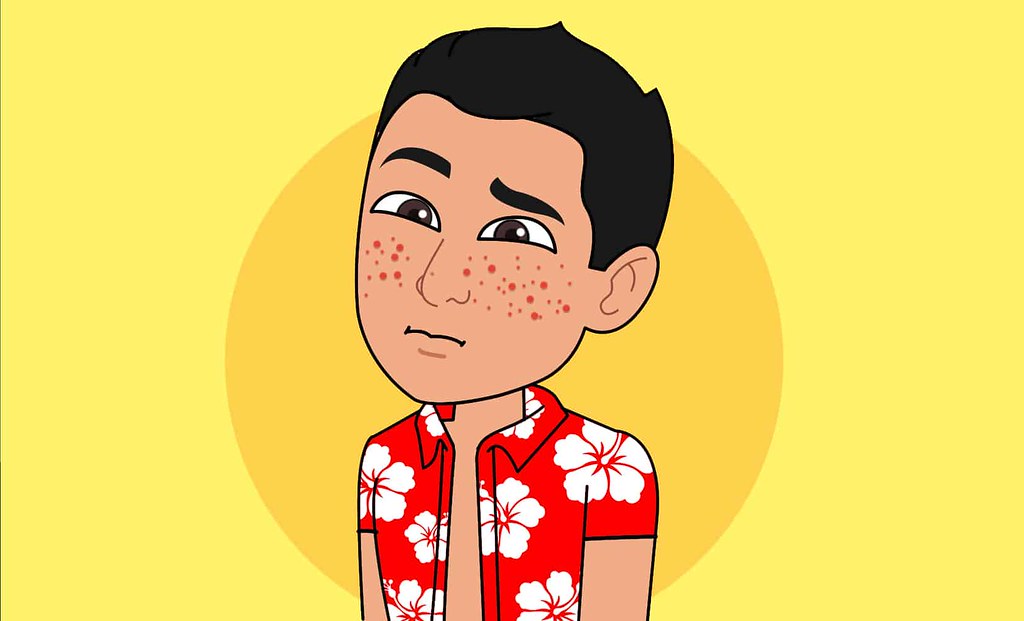
Causes and Acne FAQ for October 2026 answers common questions about why breakouts form and which treatments work. Acne is a skin condition where clogged hair follicles form pimples, blackheads, whiteheads, or deeper nodules. This guide explains pore clogging, hormones, diet, medications, guideline-based treatment, and safe daily care. It focuses on practical decisions for teens and adults managing new or persistent acne.
Medical information disclaimer: This article is for general educational purposes only and does not provide medical advice, diagnosis, or treatment. Always consult a physician or other qualified health professional about symptoms, medications, tests, or treatment decisions.
Table of Contents
- What happens inside a clogged pore?
- Do hormones, diet, or medications cause breakouts?
- Which treatments do dermatologists recommend?
- Is benzoyl peroxide still safe after benzene reports?
- What daily habits reduce damage and scarring?
What happens inside a clogged pore?
Hair, sebum oil, and dead skin cells can clump inside a pore and trap oil below the surface. Normal skin bacteria then multiply in the trapped oil and trigger inflammation. The follicle wall may rupture and form a pimple or nodule.
The National Institute of Arthritis and Musculoskeletal and Skin Diseases describes this sequence as the core acne process in its acne overview. That means blackheads, whiteheads, and inflamed bumps share the same starting point. Deeper or more inflamed lesions carry higher risk of lasting marks.
Do hormones, diet, or medications cause breakouts?
Puberty-related androgen surges raise sebum production and acne risk in teens. Menstrual cycles, polycystic ovary syndrome, and other hormonal shifts can have the same effect in adult women. Acne therefore affects adolescents most but often continues into adulthood.
Diet and drugs can add to that risk. A systematic review summarized by the National Institutes of Health links high glycemic-load diets and dairy intake with worse acne through insulin and IGF-1 signaling, although the evidence is observational and does not prove diet alone causes acne, as reported in the diet and acne review. Harvard Health also notes that systemic corticosteroids, anabolic steroids, and lithium can induce acne or acne-like eruptions. Readers with breakouts after a new prescription should review the timing with their prescriber rather than stop treatment alone.
Which treatments do dermatologists recommend?
The American Academy of Dermatology's 2024 acne guidelines strongly recommend topical benzoyl peroxide, topical retinoids, and topical antibiotics in fixed-dose combinations. Oral doxycycline is a recommended oral option for appropriate patients. Oral isotretinoin is reserved for severe, scarring, psychosocially burdensome, or treatment-resistant acne, according to the dermatology guidelines summary.
Matching treatment to lesion type improves results. Surface blackheads and mild pimples often respond to topical care. Widespread, painful, scarring, or persistent acne warrants earlier clinical evaluation for prescription options.
Is benzoyl peroxide still safe after benzene reports?
FDA testing of 95 benzoyl peroxide acne products, released March 11, 2025, found over 90 percent had undetectable or very low benzene levels. Only six lots were voluntarily recalled. The findings indicate normally stored products are generally low-risk despite 2024 reports of heat-induced benzene formation, as summarized in the FDA findings report.
Heat and age matter. Store benzoyl peroxide products in a cool place. Discard expired, discolored, swollen, or overheated tubes and follow recall notices for the exact lot.
What daily habits reduce damage and scarring?
Treat inflamed lesions early because inflammation-related lesions can scar. Avoid harsh scrubbing, abrasive exfoliants, picking, and squeezing.
Gentle cleansing, acne-friendly moisturizer and sunscreen, and lesion-matched treatment support healing. Use these steps during a breakout:.
- Cleanse gently morning and night without scrubbing.
- Apply treatment only as directed and allow time to work.
- Do not pick or squeeze pimples or nodules.
- Seek care early for painful, spreading, scarring, or persistent acne.