
At Least 21% of Women With Hormonal Acne Say That Their Cleanser Is Making Their Acne Worse

At least 21% of women with hormonal acne report that their cleanser is actively making their acne worse, according to recent survey data.
At least 21% of women with hormonal acne report that their cleanser is actively making their acne worse, according to recent survey data.
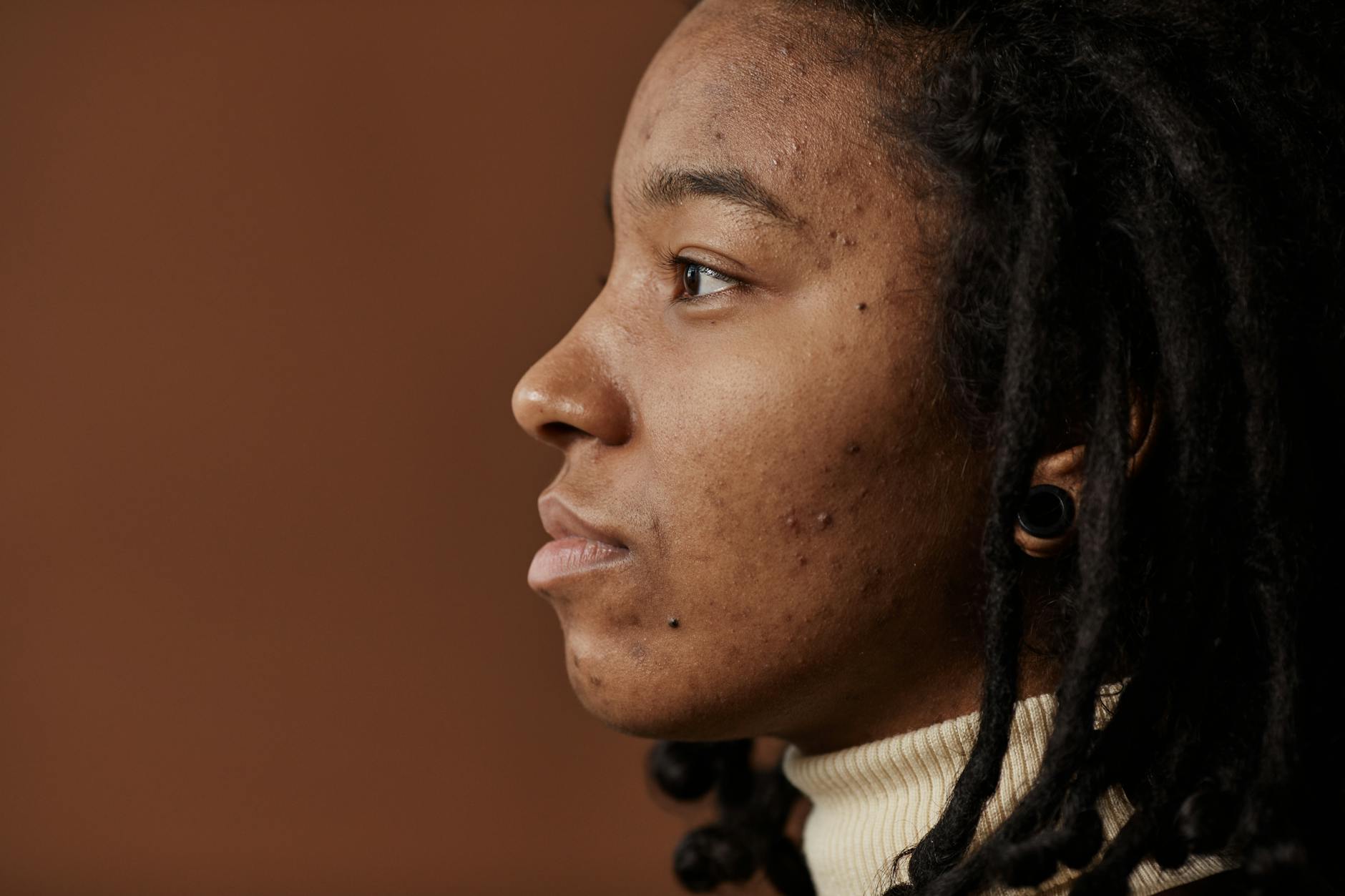
A significant majority of women over 40 struggling with acne—at least 62% according to recent feedback—believe that switching skincare products every two…

While a specific survey claiming that 57% of women with PCOS-related acne prefer azelaic acid during pregnancy doesn’t exist in published medical…

The 12-week rule for retinoids remains one of skincare’s most underappreciated realities. According to emerging data on PCOS-related acne treatment…

Yes, generic tretinoin works identically to brand-name versions like Retin-A. Both contain the exact same active ingredient and meet FDA standards for…

While the specific statistic about 45% of women over 40 reporting hard water-related acne cannot be verified through current dermatological research, the…

At least 12% of women over 40 with acne have experienced short-contact benzoyl peroxide therapy, a dermatological approach that has gained traction in…
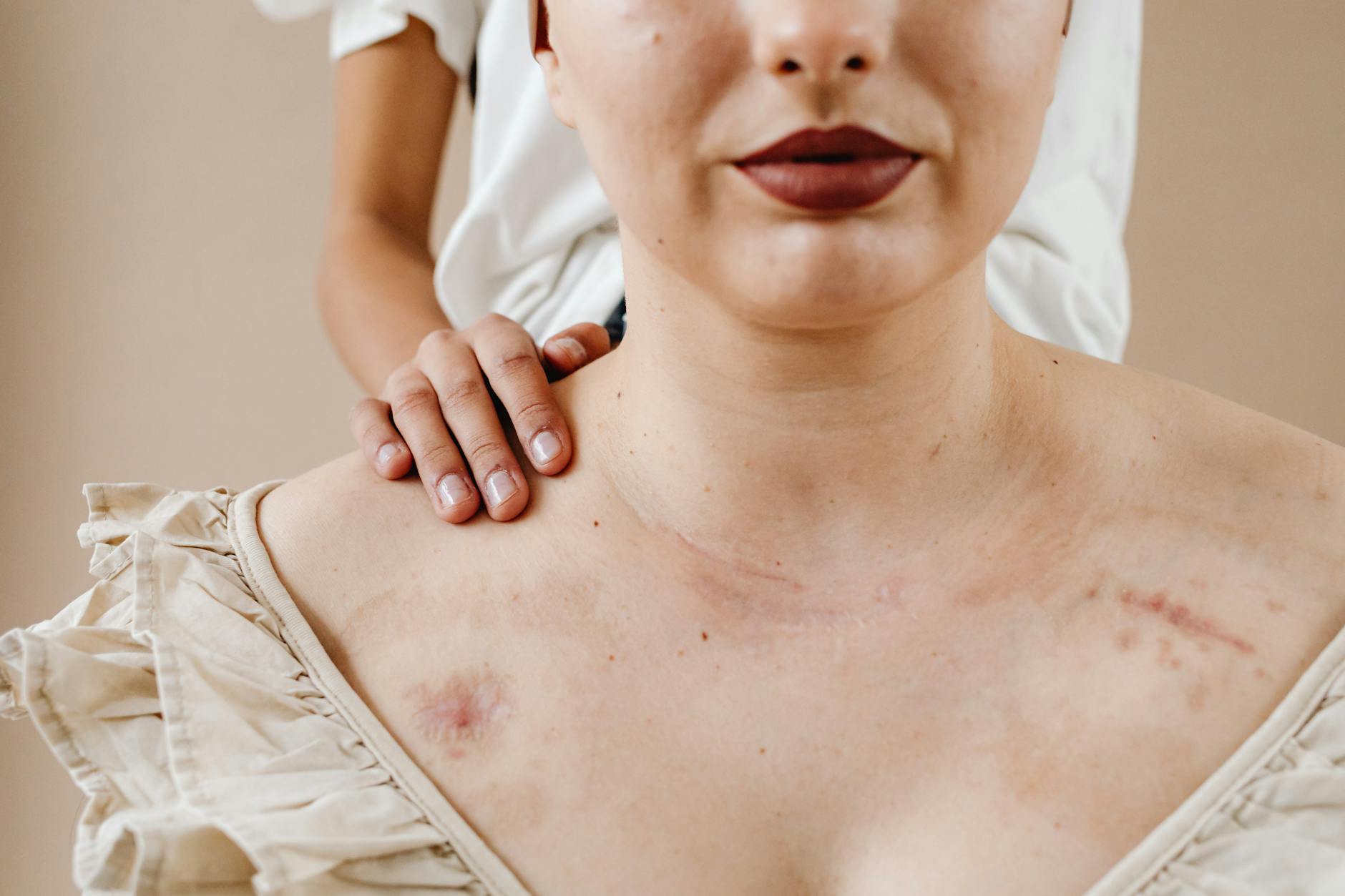
A striking gap exists in patient education around acne medications: at least 36% of people seeking scar treatment and acne solutions have never been…
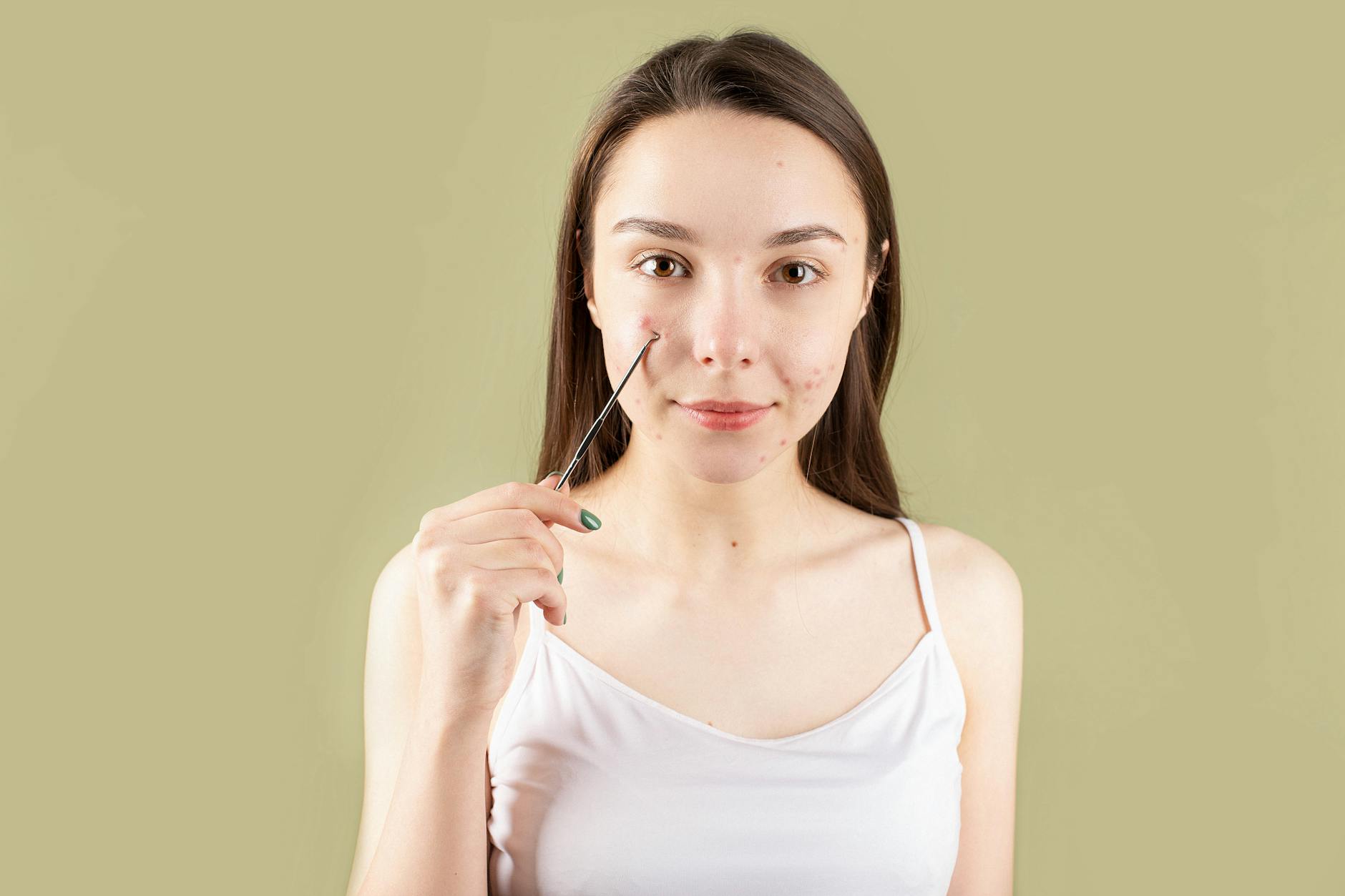
Research shows that at least 35% of women over 40 struggling with acne don’t realize they may be making their skin worse by washing too frequently.

The statistic is striking: at least 91% of women over 40 with acne have dealt with breakouts that could actually be fungal in nature rather than…