
Why Vitamin C Is Hard to Use on Acne-Prone Skin
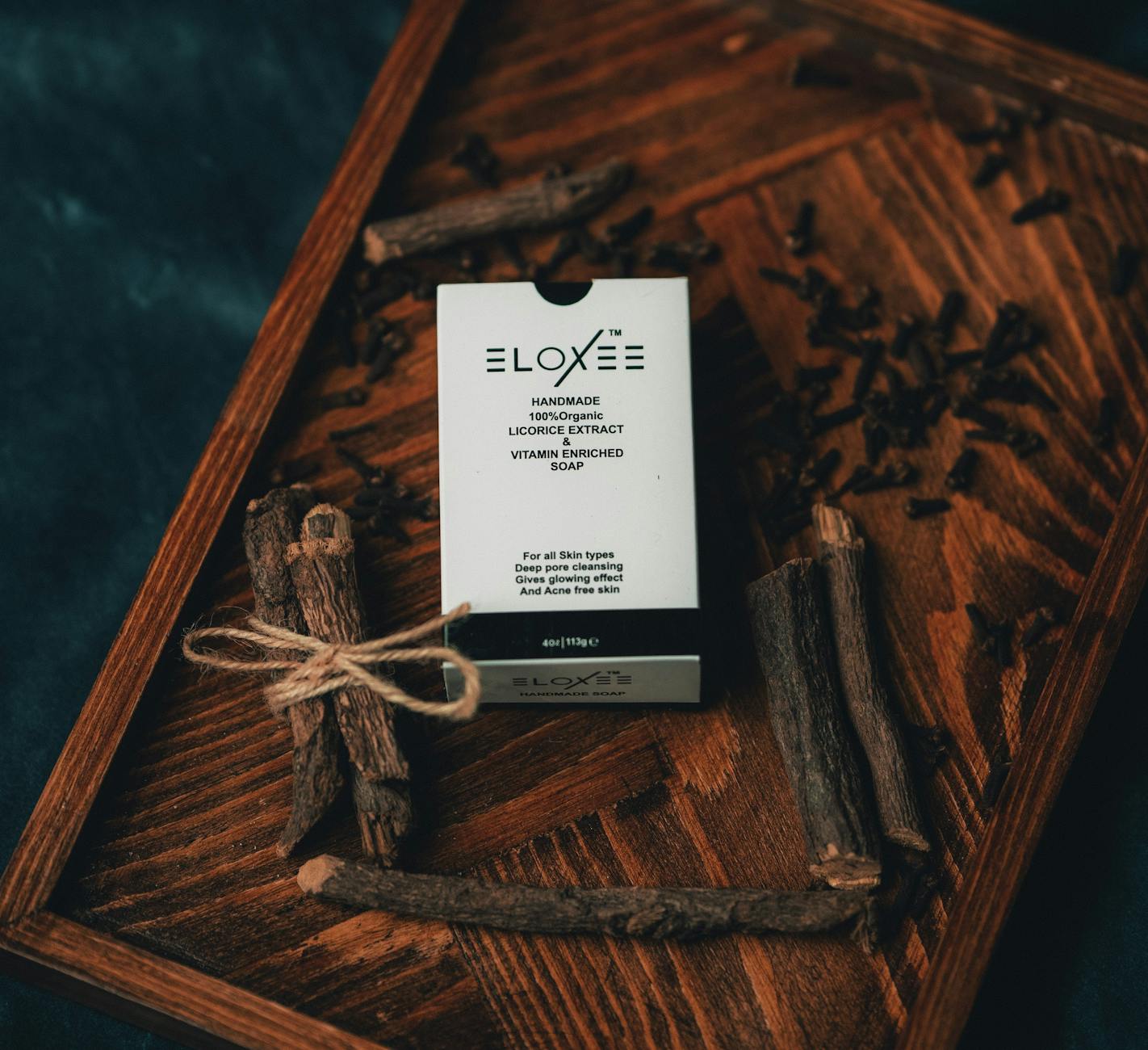
Vitamin C is hard to use on acne-prone skin because most forms of it are unstable at the low pH levels needed for penetration, and that same acidity can…
Vitamin C is hard to use on acne-prone skin because most forms of it are unstable at the low pH levels needed for penetration, and that same acidity can…
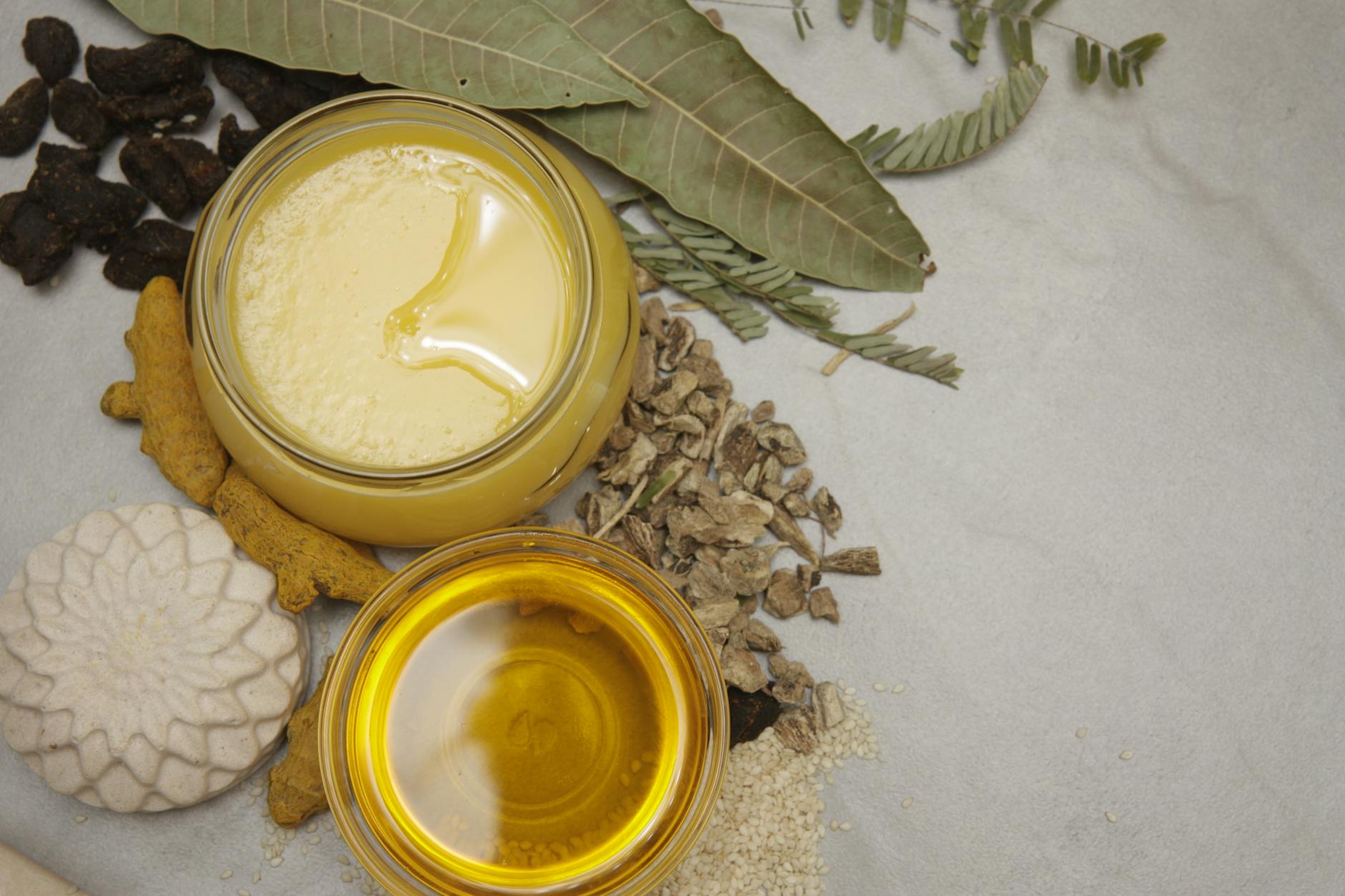
Zinc fights acne through three distinct mechanisms — it kills bacteria, reduces inflammation, and lowers sebum production.

The short answer is: start with a low concentration, apply it less often than you think you should, and protect your barrier with ceramide-rich…

The benzoyl peroxide benzene recall means that seven specific acne products have been pulled from store shelves after FDA testing confirmed they contained…

Skin purging is a temporary phase of increased breakouts that happens when you start using active skincare ingredients like retinoids or chemical…

When you over-moisturize your skin, you essentially suffocate it. The skin’s natural barrier function gets disrupted, pores become clogged with excess…

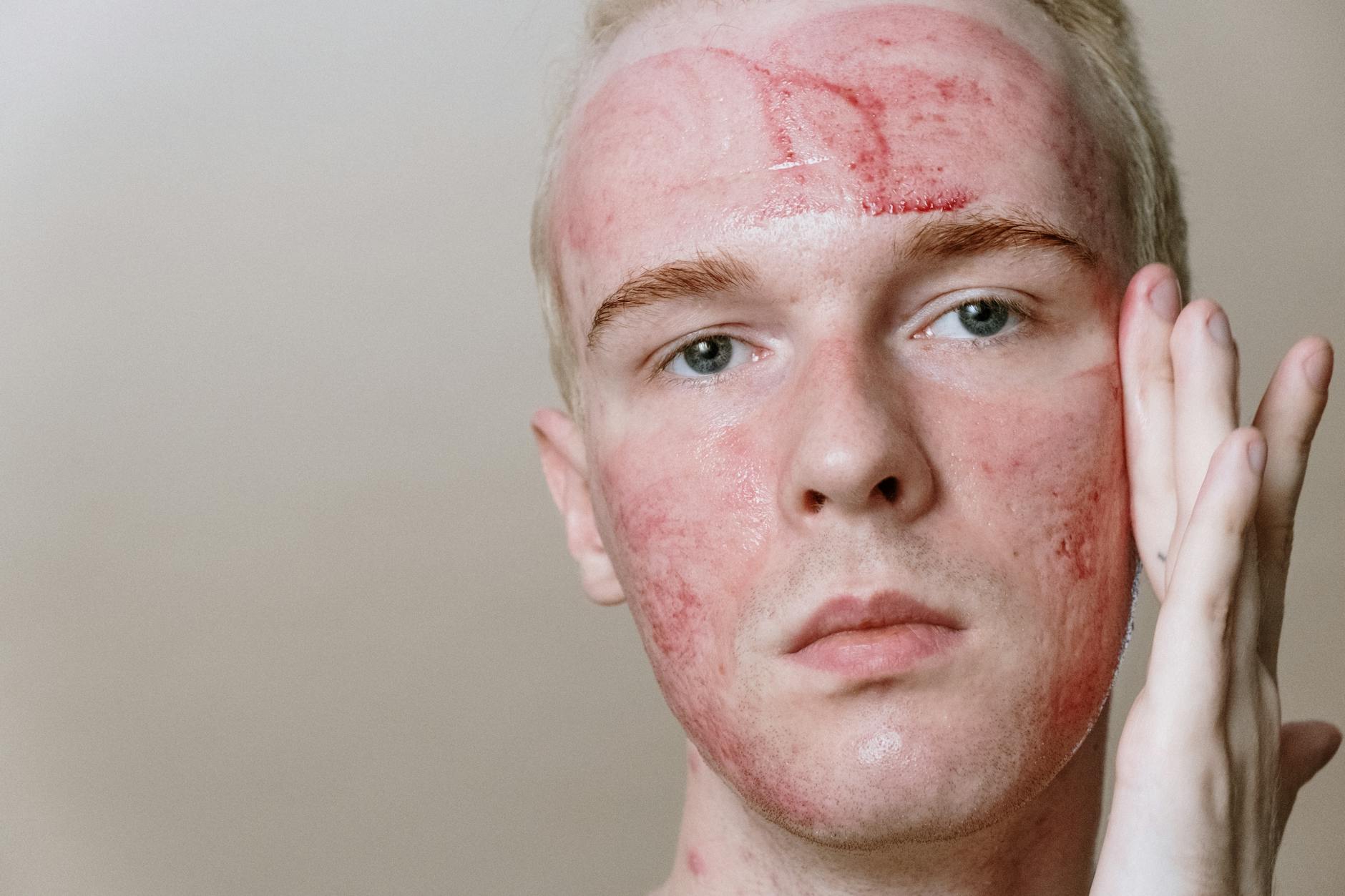
Your skin barrier is the outermost layer of your skin, and when it breaks down, acne gets worse — sometimes dramatically.
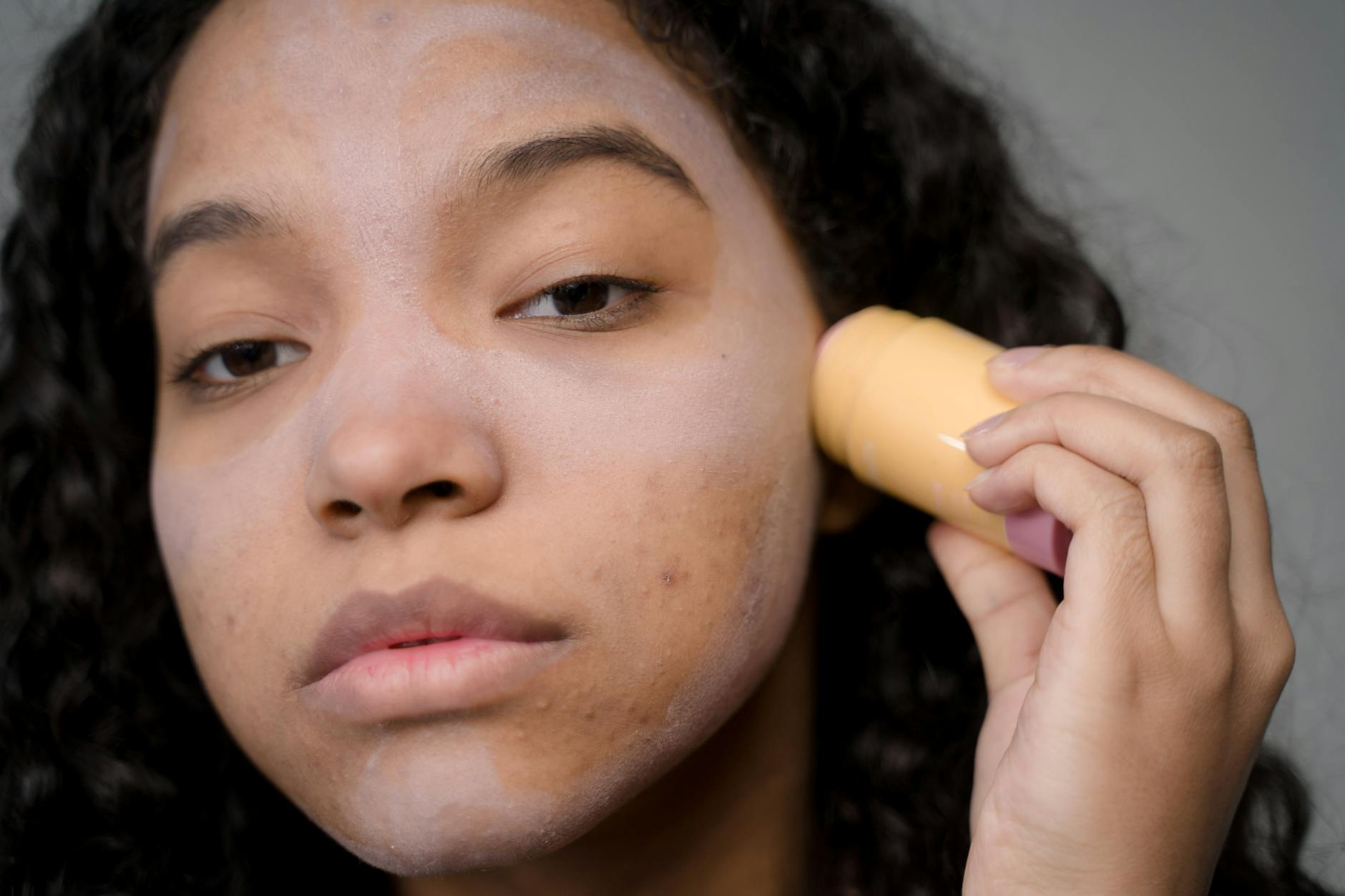
Your skin is home to trillions of microorganisms — bacteria, fungi, viruses, and mites — that collectively form the skin microbiome, and when that…
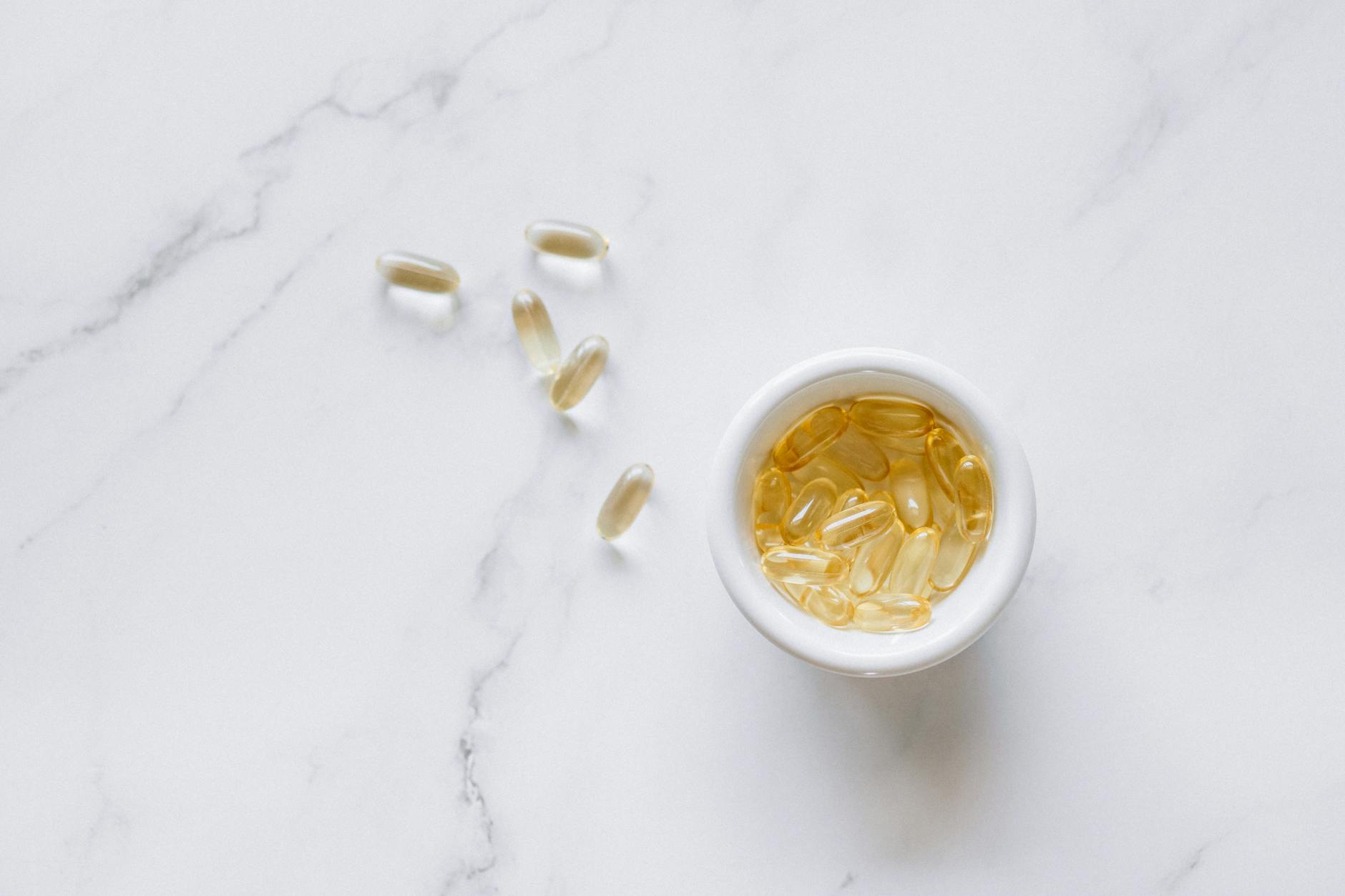
Prebiotics improve skin clarity by feeding the beneficial bacteria that live on and inside your body, which in turn regulate inflammation, strengthen the…
Probiotics help acne-prone skin by reducing systemic inflammation, strengthening the skin barrier, and rebalancing the gut-skin axis that often drives…