
What Dermaplaning Does to Acne-Prone Skin — Risk Assessment
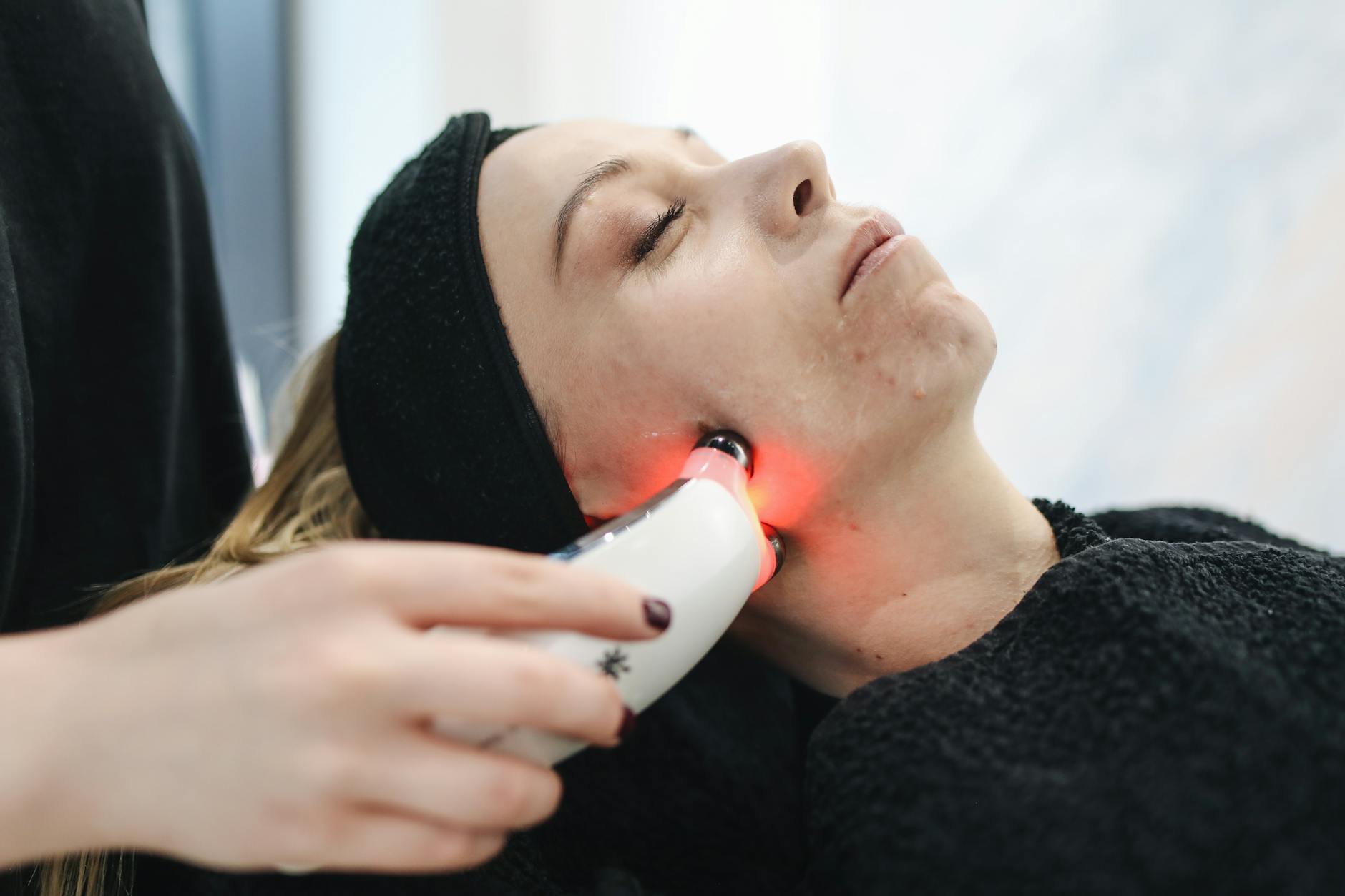
Dermaplaning on active, inflamed acne is a bad idea — and most dermatologists will tell you not to do it.
Dermaplaning on active, inflamed acne is a bad idea — and most dermatologists will tell you not to do it.

HydraFacial treats acne-prone skin through a three-step process of deep cleansing, vortex suction extraction, and blue LED light therapy that targets…

Acne positivity matters for long-term skin confidence because it breaks the psychological cycle where shame about breakouts leads to stress, which…

Cognitive behavioral therapy gives skin pickers something most treatments fail to deliver: a structured way to interrupt the picking cycle before it…

Blue light emitted from phones, tablets, and computer screens penetrates deeper into skin than UV rays and triggers oxidative stress that can worsen acne…

Dry climate strips moisture from your skin, weakens its protective barrier, and triggers a counterintuitive chain reaction where your body overproduces…

Ocean salt water can temporarily improve acne-prone skin for many people, but it is not a universal fix and comes with real tradeoffs.

Fragrance in skincare products aggravates acne by triggering contact irritation, disrupting the skin barrier, and provoking inflammatory responses that…

Silk pillowcases help acne-prone skin primarily by reducing friction against inflamed tissue and limiting the bacterial buildup that cotton pillowcases…

Retinaldehyde is a better option for sensitive acne skin because it delivers meaningful retinoid benefits — cell turnover, pore clearing,…