
Why Some Skin Types Are More Prone to Hyperpigmentation

Hyperpigmentation—those dark patches and uneven spots on the skin—occurs more frequently in people with deeper skin tones because they naturally produce…
Hyperpigmentation—those dark patches and uneven spots on the skin—occurs more frequently in people with deeper skin tones because they naturally produce…

Skin cycling helps acne-prone skin by giving irritated skin time to recover between active treatments, preventing the overuse damage that typically…

The answer is simple but nuanced: adjust your routine every 3 to 4 months and stay alert to how your skin actually responds in each season.

The correct order for acne-prone skin is cleanse, treat, moisturize, and protect—with specific placement of actives like benzoyl peroxide, salicylic acid,…

Building a skincare routine that prevents acne breakouts requires a two-pronged approach: cleansing twice daily with a gentle cleanser and applying…

Hydration accelerates skin recovery by replenishing moisture that damaged or acne-prone skin has lost, allowing the skin barrier to function properly and…

Your skin barrier is the primary determinant of how quickly red marks and post-inflammatory hyperpigmentation fade after acne heals.

Sensitive skin is more prone to post-acne red marks because it has a compromised barrier function and heightened inflammatory response.

Red marks that appear after acne clears are the result of inflammation and damaged blood vessels beneath the skin’s surface.
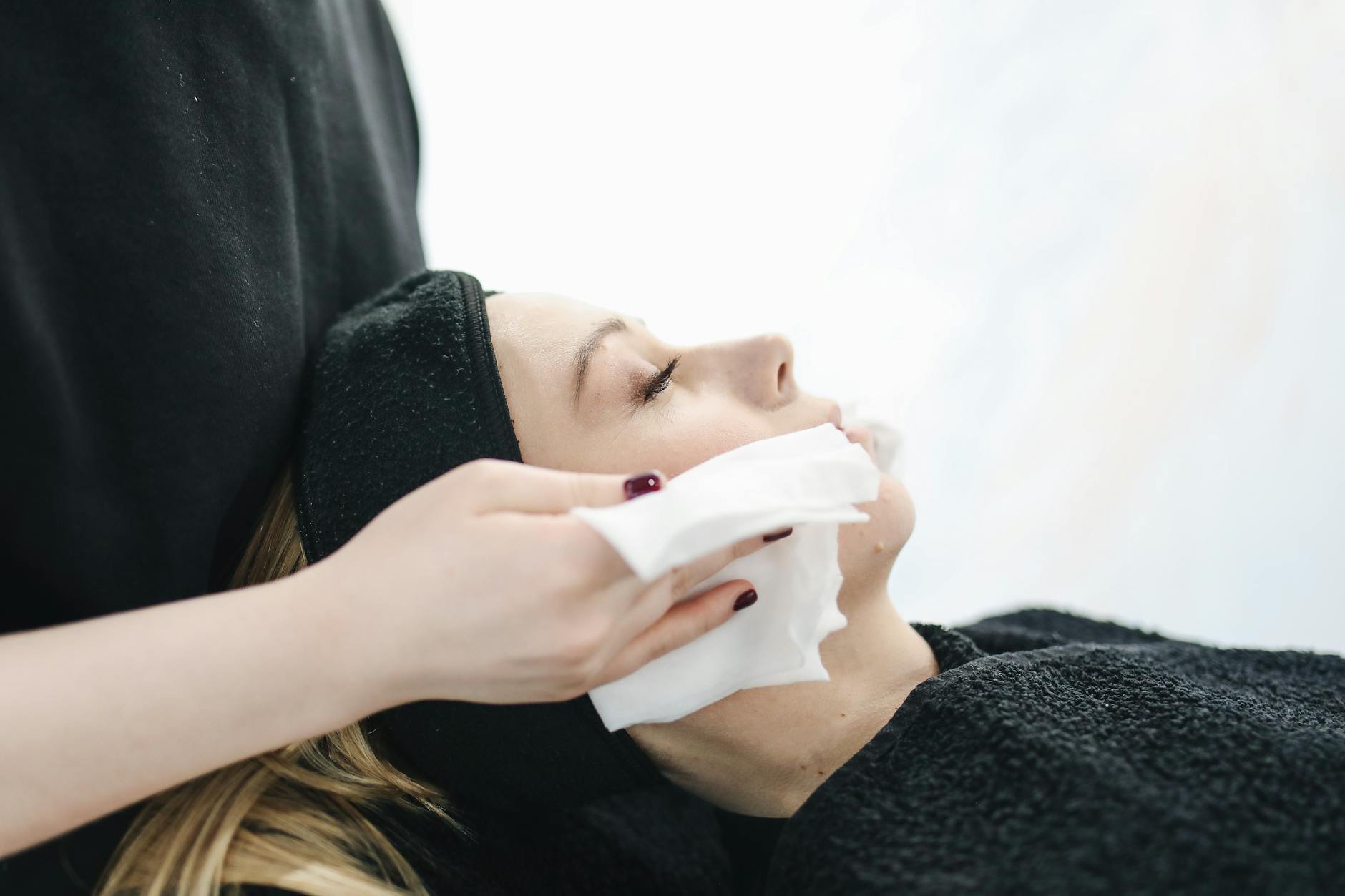
A cleanser that supports skin healing prioritizes maintaining your skin barrier—the protective layer that keeps bacteria out and moisture in—above all…