
Experts Reveal Hidden Causes of Acne You Might Be Ignoring

Acne is far more than a result of poor hygiene or teenage hormones—experts have identified 165 distinct areas of the human genome that influence acne…
Acne is far more than a result of poor hygiene or teenage hormones—experts have identified 165 distinct areas of the human genome that influence acne…
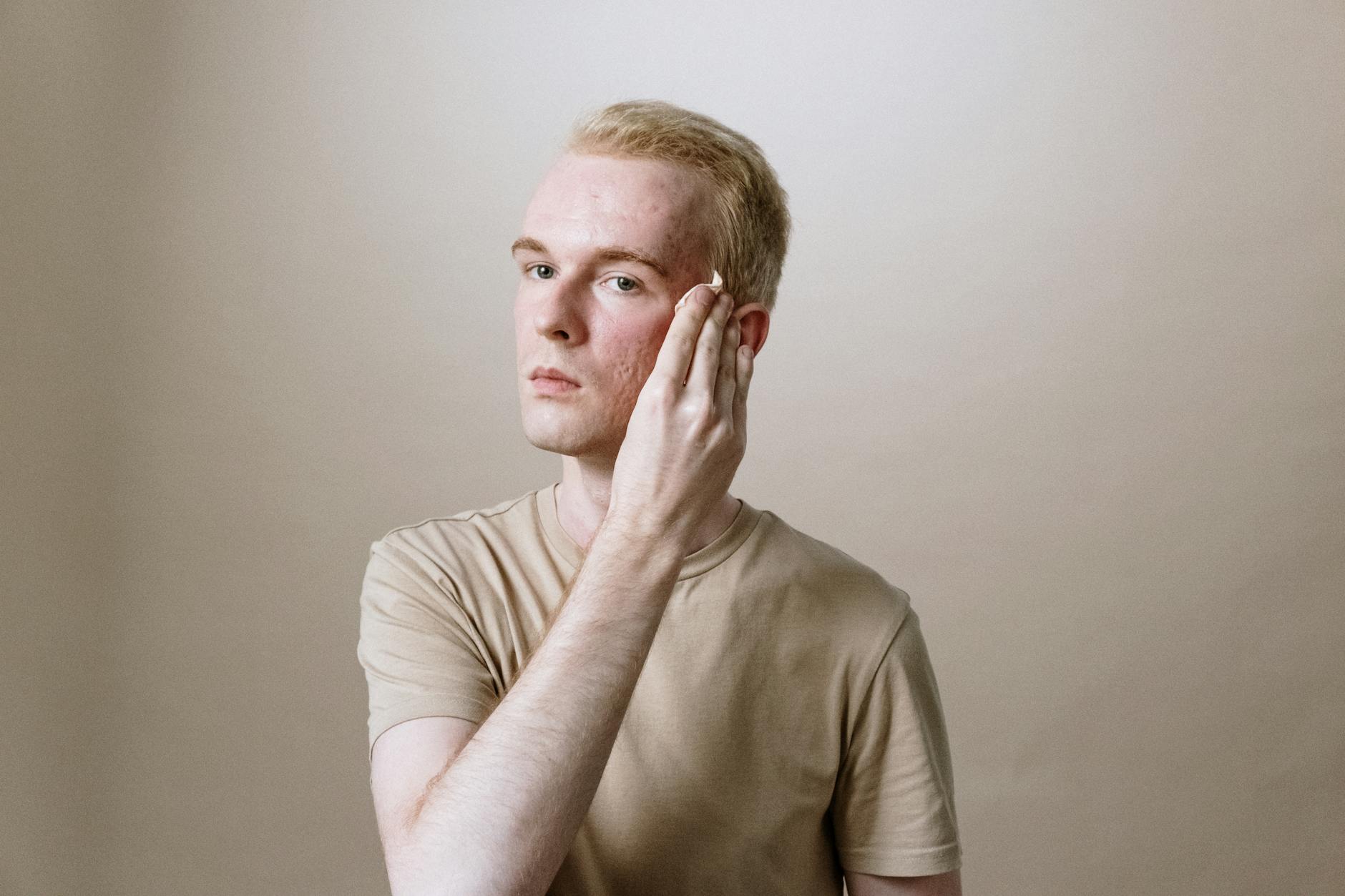
Recent research has identified a direct causal link between gut microbiota and acne formation, revealing that the health of your gut bacteria…
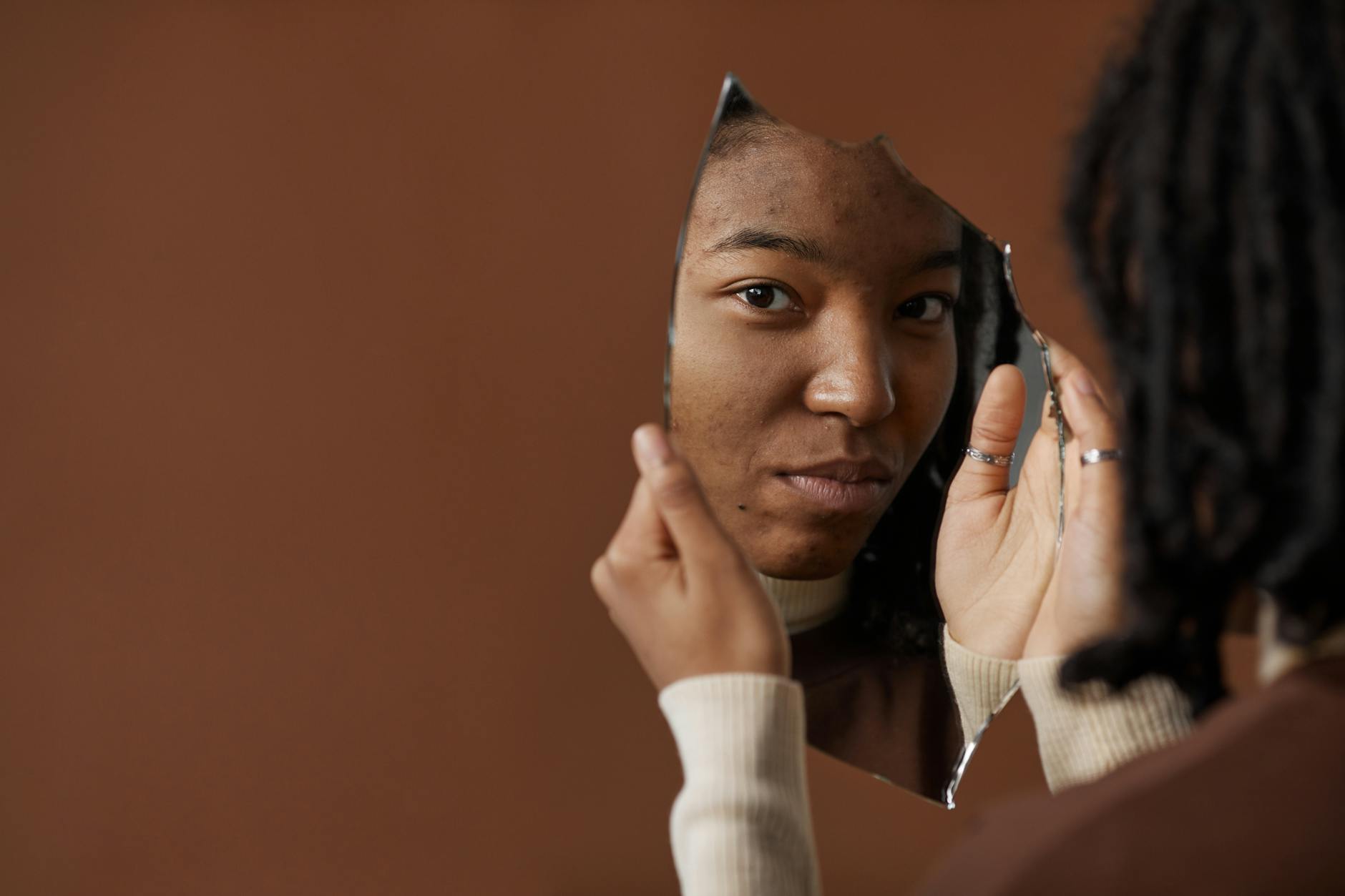
Dark marks that appear after acne heals are usually caused by post-inflammatory hyperpigmentation (PIH), a common response where melanin accumulates in…
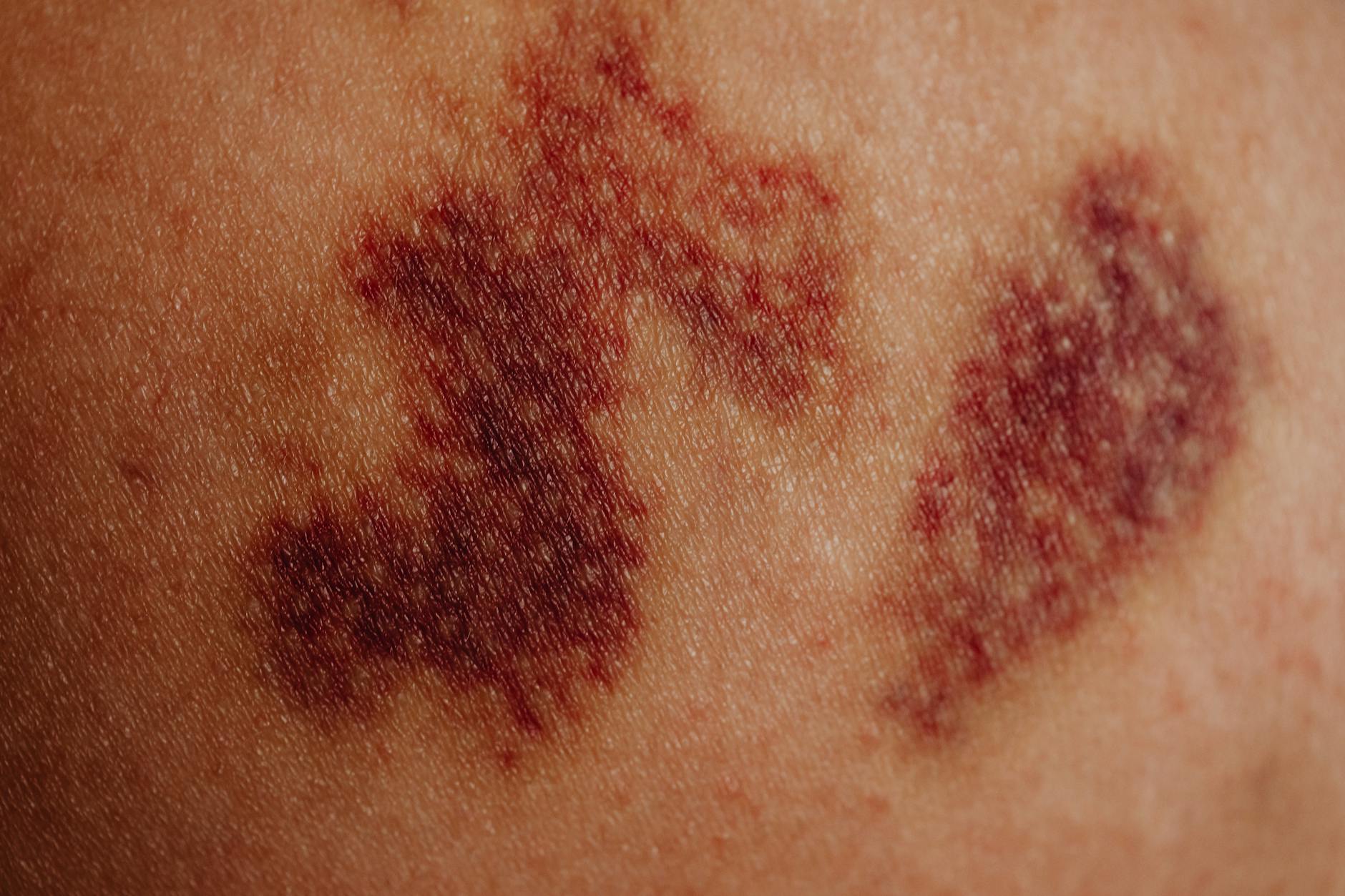
When acne inflames your skin, blood vessels in the affected area dilate and become engorged with blood, which is why the spot appears red.

Redness lingering after acne heals is caused by dilated blood vessels and inflammation that persists in the skin even after the pimple itself has closed.

Sudden acne flare-ups without an obvious cause usually stem from something that has changed in your environment, hormones, or daily habits—even if that…

Breakouts after exercise or sweating happen because sweat combines with skin oils, dirt, and bacteria to clog your pores, creating an environment where…

Tiny flesh-colored bumps that persist for months or years are most commonly caused by keratosis pilaris, a benign skin condition affecting 15-40% of the…

Acne returns after clearing for one fundamental reason: acne is a chronic condition, not a curable one.

Acne along the hairline and forehead typically stems from a combination of pore-clogging substances and the area’s naturally higher oil production.