
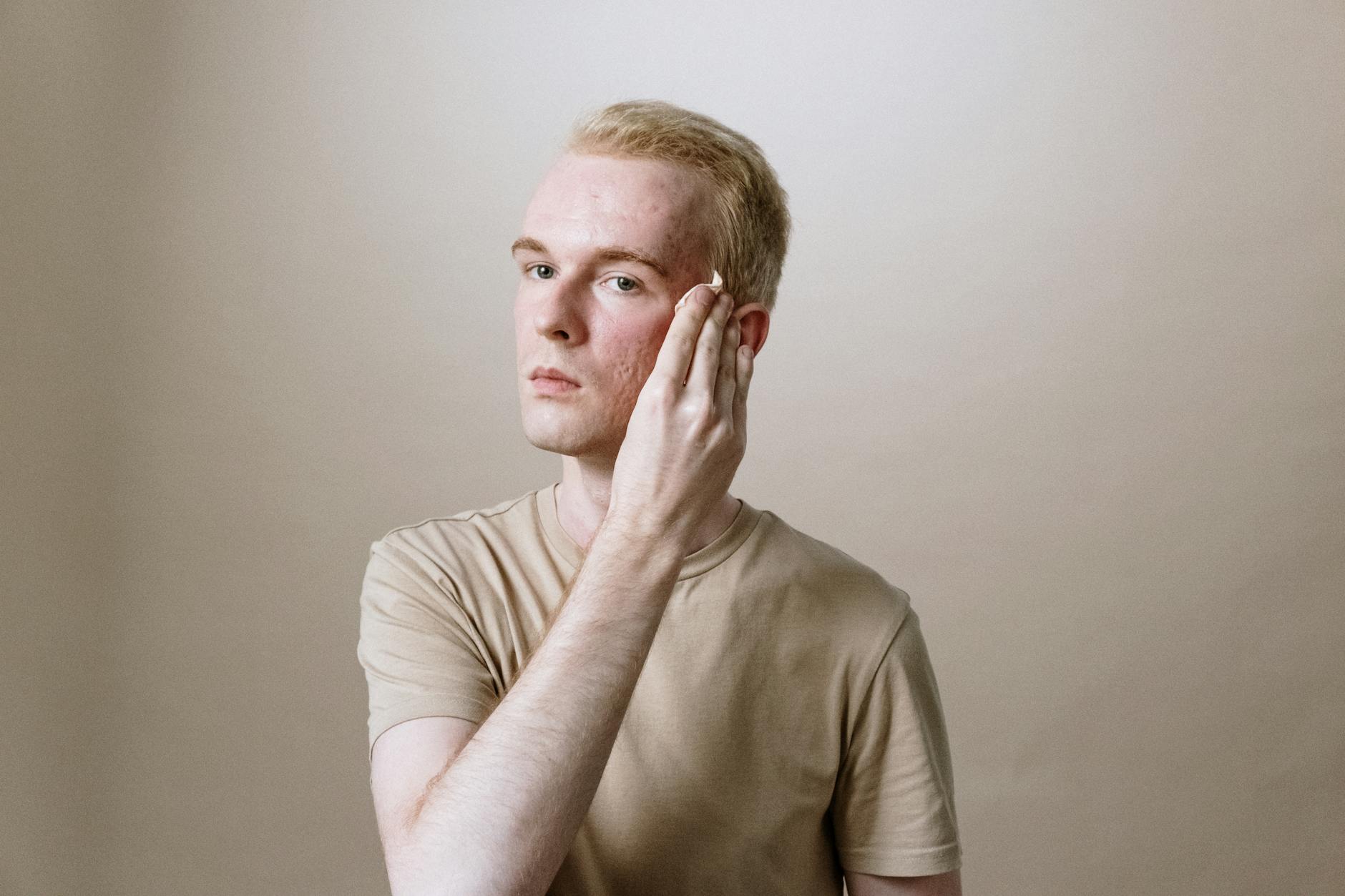
Recent research has identified a direct causal link between gut microbiota and acne formation, revealing that the health of your gut bacteria significantly influences whether you develop breakouts. A 2024 study published in Scientific Reports analyzed 412 distinct gut microbes using Mendelian randomization, providing genetic evidence that specific bacterial imbalances directly trigger acne—this means your skin problems may originate not from surface bacteria or sebum alone, but from what’s happening in your digestive system. If you’ve struggled with acne despite using topical treatments, your gut microbiota composition might be the missing piece that traditional skincare addresses but never actually solves.
This breakthrough shifts how we understand acne from a purely dermatological condition to one with deep roots in intestinal health. Rather than treating acne as an isolated skin problem, emerging research shows you need to simultaneously address the microbial ecosystem supporting your immune system and inflammatory response. This article covers the latest clinical evidence, explains the gut-skin connection, and outlines evidence-based approaches to restore microbial balance for clearer skin.
Table of Contents
- How Do Gut Microbes Trigger Acne Breakouts?
- Understanding the Gut-Skin Axis Mechanism
- What Recent Studies Reveal About Microbiota and Acne
- Dietary and Supplement Approaches to Restore Gut Health
- Safety Profile and What You Should Know
- Which Gut Bacteria Actually Fight Acne?
- The Future of Gut-Based Acne Treatment
- Conclusion
How Do Gut Microbes Trigger Acne Breakouts?
The connection between gut bacteria and acne happens through a mechanism called the “gut-skin axis,” where your intestinal microbiota influences skin status by modulating systemic immune and inflammatory responses. When your gut contains harmful or imbalanced bacterial populations, they trigger chronic low-grade inflammation throughout your body, which manifests on your skin as breakouts. A 2025 study identified 14 specific gut microbiota taxa that strongly predict whether someone will develop acne, suggesting that certain bacterial communities are protective while others actively promote inflammation. The mechanism works like this: unhealthy gut bacteria increase intestinal permeability (sometimes called “leaky gut”), allowing bacterial lipopolysaccharides to enter the bloodstream.
These endotoxins trigger your immune system to mount a systemic inflammatory response that sensitizes sebaceous glands and promotes Cutibacterium acnes colonization. For example, someone with low levels of Faecalibacterium prausnitzii (a beneficial short-chain fatty acid producer) may experience constant inflammation that keeps their skin in a perpetual state of breakout-readiness, even if they’re using the best topical acne treatments. This explains why some people with acne have terrible skin despite perfect hygiene, while others eat poorly yet remain clear—genetic variation in gut bacterial composition and the specific taxa you harbor directly influences your acne susceptibility. The 2024 research examining 412 microbes demonstrates this isn’t anecdotal; there are measurable, causal relationships between particular bacterial species and acne risk.
Understanding the Gut-Skin Axis Mechanism
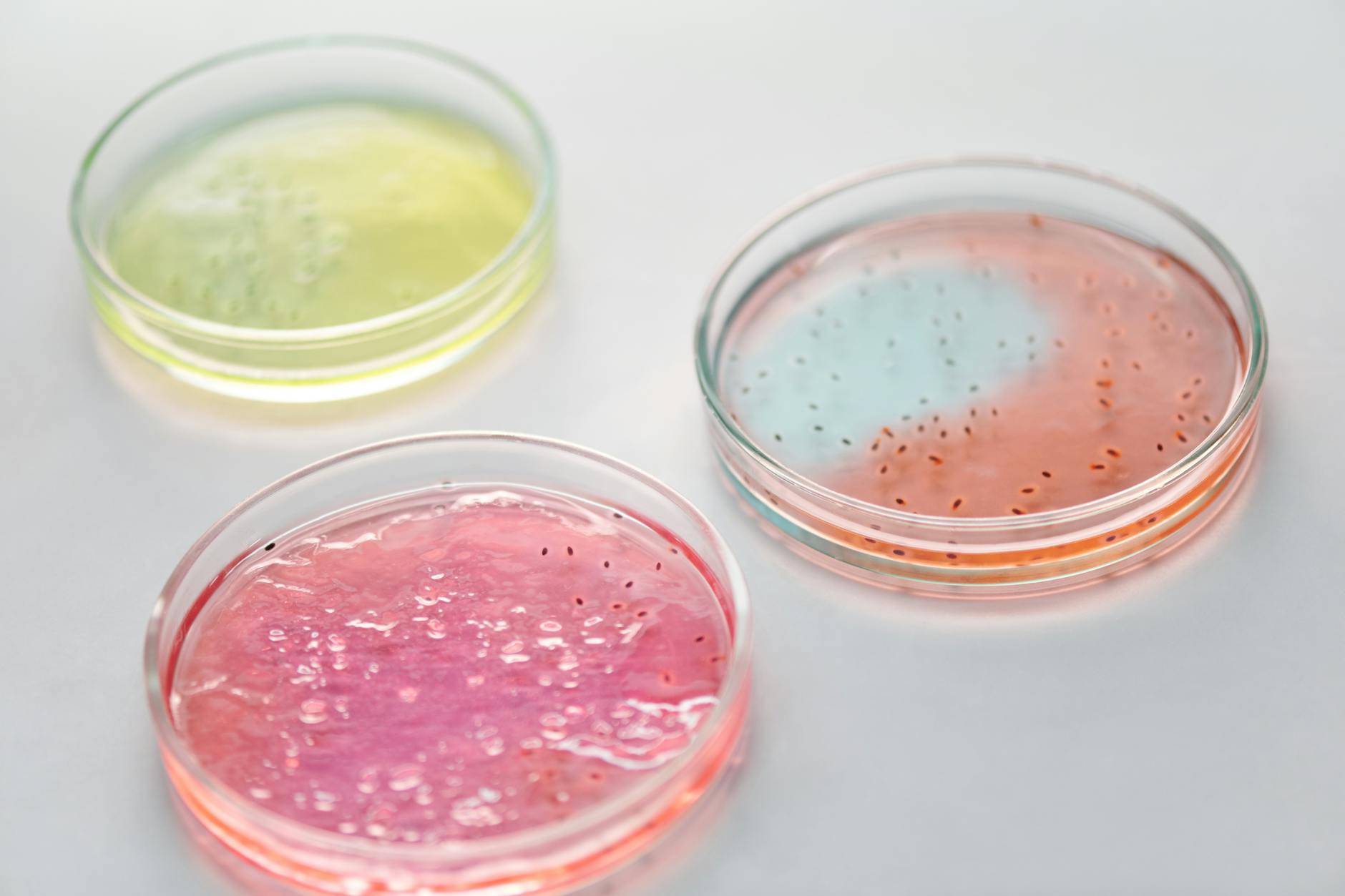
The gut-skin axis operates through several interconnected pathways: immune tolerance development, short-chain fatty acid (SCFA) production, and intestinal barrier integrity. Beneficial bacteria like Faecalibacterium and Roseburia produce butyrate, a short-chain fatty acid that strengthens your intestinal barrier and promotes anti-inflammatory regulatory T cells. When these protective bacteria are depleted—often due to antibiotics, processed foods, or chronic stress—your gut becomes leaky and your immune system becomes hyperactive, perpetuating skin inflammation. However, it’s important to recognize that fixing your gut won’t instantly cure acne if you have other contributing factors. If you’re still consuming high-glycemic foods that spike insulin, or if you have hormonal imbalances driving sebum production, addressing gut bacteria alone may provide only partial improvement.
The mechanism is necessary but not always sufficient—you may need to combine gut restoration with other targeted approaches. Additionally, some people have acne driven primarily by genetics, medication side effects, or hormonal conditions (like PCOS), where gut interventions play a supporting role rather than the leading role. The intestinal barrier functions as a selective filter, and dysbiosis (microbial imbalance) compromises this filter’s integrity. When the barrier becomes permeable, bacterial metabolites and antigens leak into circulation, triggering systemic immune activation that destabilizes skin health. Restoring a healthy microbiota composition essentially “reseals” this barrier and dampens the inflammatory cascade that feeds acne development.
What Recent Studies Reveal About Microbiota and Acne
A comprehensive 2025 systematic review examined 33 randomized controlled trials, cohort studies, and case-controlled studies evaluating prebiotics, probiotics, and postbiotics for acne. This meta-analysis involved 2,112 patients aged 18–33 years, with study durations ranging from 4 to 25 weeks. The critical finding: all studies reported favorable safety profiles with no serious adverse events, suggesting that microbiota-modifying interventions are genuinely safe tools you can use alongside conventional acne treatments without concern. The 2024 Mendelian randomization study in Scientific Reports examined 412 distinct gut microbes and 249 blood metabolites to establish causal relationships—not just correlations—between microbial composition and acne.
This genetic approach eliminates confounding variables and proves that specific bacterial species directly increase acne risk rather than simply being associated with acne-prone people. A parallel 2025 study identified 14 microbiota taxa that specifically predict intestinal flora composition and acne risk, providing researchers with biomarkers they can actually measure in patient samples. These aren’t small observational studies; they represent the largest and most rigorous evidence to date that acne is fundamentally a disease of microbial imbalance. The scale (2,112+ patients across dozens of trials) means these findings apply broadly across diverse populations, ages, and baseline health statuses.
Dietary and Supplement Approaches to Restore Gut Health
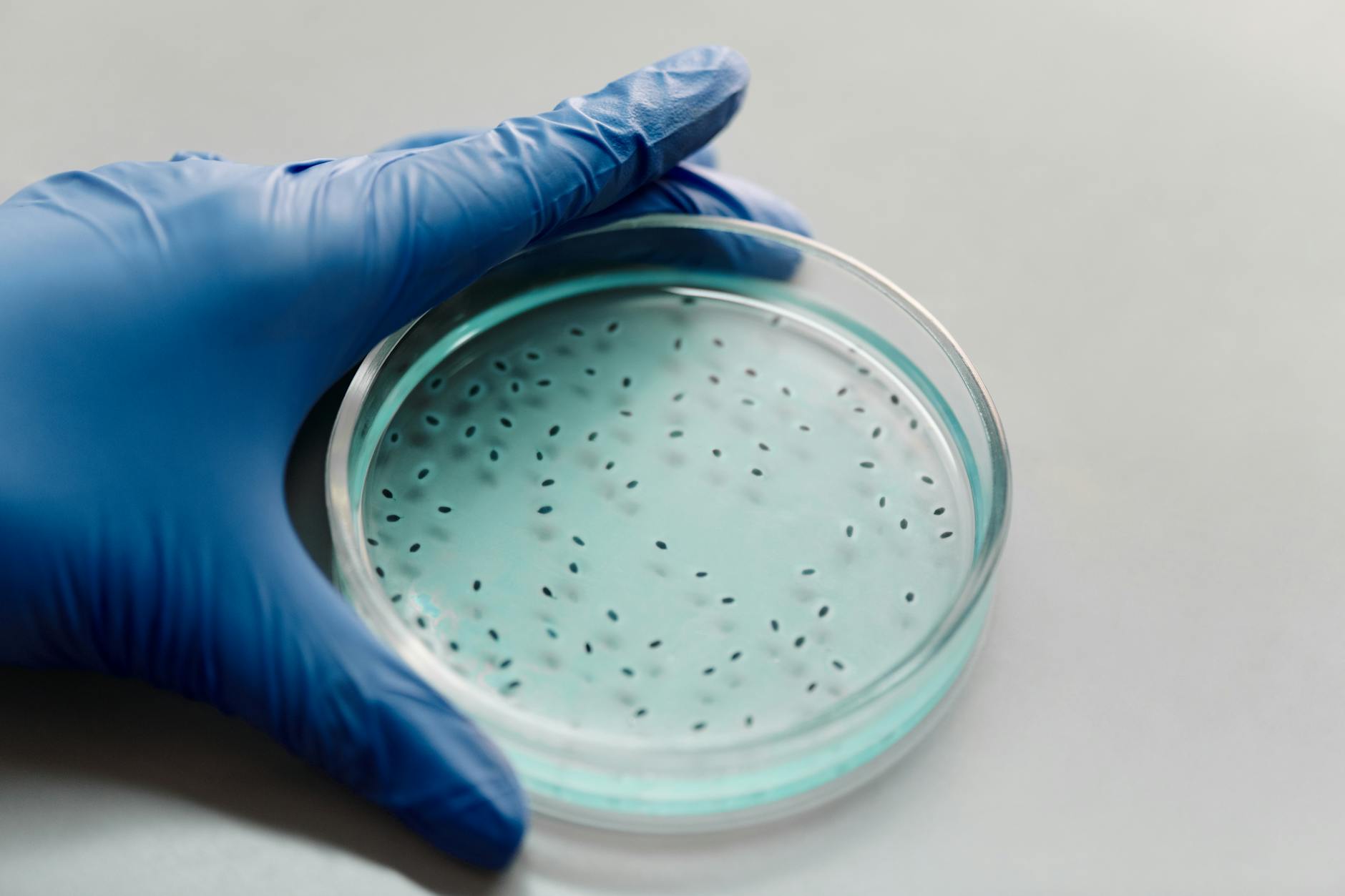
Restoring healthy gut microbiota requires a two-pronged approach: removing foods that feed dysbiosis (primarily ultra-processed foods high in seed oils and refined carbohydrates) and adding foods that feed beneficial bacteria. Prebiotic foods like onions, garlic, asparagus, and chicory root contain inulin and fructooligosaccharides, which selectively feed protective bacteria like Faecalibacterium and Bifidobacterium. Fermented foods like sauerkraut, kimchi, and unsweetened yogurt provide live probiotics directly. However, fermented foods alone won’t restore dysbiosis if you’re still consuming a standard processed diet. Many people add probiotics while eating high-fructose processed foods, then wonder why they see no improvement—the processed diet starves the beneficial bacteria you just introduced.
A comparison: adding probiotics to a dysbiotic-promoting diet is like adding a few drops of clean water to a contaminated well. You need to simultaneously remove the source of contamination (processed foods, excess sugar, vegetable seed oils) while feeding what you want to grow. Probiotic and postbiotic supplements provide more concentrated doses of beneficial bacteria or their metabolic byproducts. The 33-study meta-analysis found that both probiotics and postbiotics improved acne outcomes, though the effect sizes varied depending on which specific strains were used. Saccharomyces boulardii, Lactobacillus plantarum, and Bifidobacterium longum appeared in multiple studies showing acne improvement, suggesting these strains warrant consideration if you’re choosing a supplement.
Safety Profile and What You Should Know
The systematic review of 33 studies involving over 2,100 patients reported zero serious adverse events from probiotics, prebiotics, or postbiotics—an excellent safety record. However, some people experience temporary digestive symptoms (bloating, gas, or loose stools) when starting probiotics, typically resolving within 1–2 weeks as the microbiota rebalances. This “die-off” effect isn’t dangerous; it’s a normal adjustment period. Be cautious if you’re immunocompromised or have severe dysbiosis: certain probiotic strains can theoretically cause infection in immunocompromised individuals, though this is extremely rare with well-studied strains like Saccharomyces boulardii.
If you’re on antibiotics, wait until you’ve finished your course before starting probiotics, since the antibiotic will kill the bacteria you’re trying to establish. Conversely, probiotics don’t interfere with acne-treating antibiotics; if you’re on doxycycline for acne, adding probiotics can actually reduce antibiotic-induced dysbiosis while the acne medicine is still working. The 4–25 week study durations in the systematic review suggest you should give gut interventions at least 4 weeks to show results, with 8–12 weeks being more typical for meaningful skin improvement. This isn’t a two-week quick fix; you’re retraining your immune system and rebuilding beneficial bacterial populations, which takes time.
Which Gut Bacteria Actually Fight Acne?
The 2025 study identifying 14 microbiota taxa associated with acne highlighted that Faecalibacterium prausnitzii, Roseburia species, and Akkermansia muciniphila are consistently reduced in acne-prone individuals. These bacteria share one critical trait: they produce short-chain fatty acids (particularly butyrate) that feed intestinal epithelial cells and promote the development of regulatory T cells—immune cells that calm inflammation. When these bacteria are depleted, your gut becomes inflamed and your skin follows. Conversely, certain pathogenic bacteria like elevated Propionibacterium avidum (different from the acne-causing C.
acnes on skin) and shifts toward gram-negative bacteria correlate with higher acne risk. The gram-negative bacteria produce lipopolysaccharides that cross a leaky gut barrier and trigger systemic inflammation. This is why broad-spectrum antibiotics can actually make acne worse long-term: they kill beneficial bacteria along with pathogens, shifting the population toward dysbiosis. If you want to target specific bacteria through supplementation, looking for formulations containing Faecalibacterium prausnitzii, Roseburia species, or Akkermansia muciniphila may offer more direct support than generic multi-strain probiotics. However, many of these beneficial bacteria are difficult to culture and aren’t widely available in supplements; focusing on prebiotic foods that feed these bacteria naturally may be more practical for most people.
The Future of Gut-Based Acne Treatment
Recent clinical breakthroughs suggest the future of acne treatment will integrate both gut-based interventions and advanced topical technologies. A 2025 clinical trial confirmed complete pimple clearance in just 7 days using a novel dual-phase antibacterial and anti-inflammatory microarray patch—a topical innovation that works synergistically with the body’s innate healing response. This represents a shift toward treatments that work *with* your immune system rather than against it.
As personalized microbiota testing becomes more accessible and affordable, dermatologists will likely move from generic acne treatment protocols to microbiota-informed approaches. Instead of prescribing doxycycline to everyone, future treatment might involve identifying your specific dysbiotic pattern (using the 14-taxa marker set identified in 2025 research), then tailoring probiotics, prebiotics, and dietary modifications to restore your unique baseline. The convergence of genetic evidence, large-scale clinical trials, and novel delivery technologies means the next generation of acne treatment will address the root cause—microbial imbalance—rather than just suppressing symptoms.
Conclusion
The evidence is now clear: acne is fundamentally a disease of gut microbial dysbiosis, not just a skin condition. The 2024 and 2025 research examining 412 microbes, 2,112 patients, and 14 specific bacteria-associated taxa establishes that your gut flora directly influences whether you develop breakouts. This shifts treatment from purely topical interventions toward a more comprehensive approach that simultaneously restores beneficial bacteria, removes dysbiosis-promoting foods, and supports systemic immune tolerance. If you’re struggling with persistent acne, testing and restoring your gut microbiota represents a scientifically validated path forward.
Begin by removing processed foods that feed dysbiosis, adding prebiotic and fermented foods, and considering a well-researched probiotic strain like Saccharomyces boulardii or Bifidobacterium longum. Give the intervention 8–12 weeks to show results. Combine these changes with your current skincare regimen or acne medication—they work together, not as replacements for each other. As the field advances, personalized microbiota testing will likely become standard, allowing dermatologists to target your specific dysbiotic pattern rather than using one-size-fits-all treatments.