
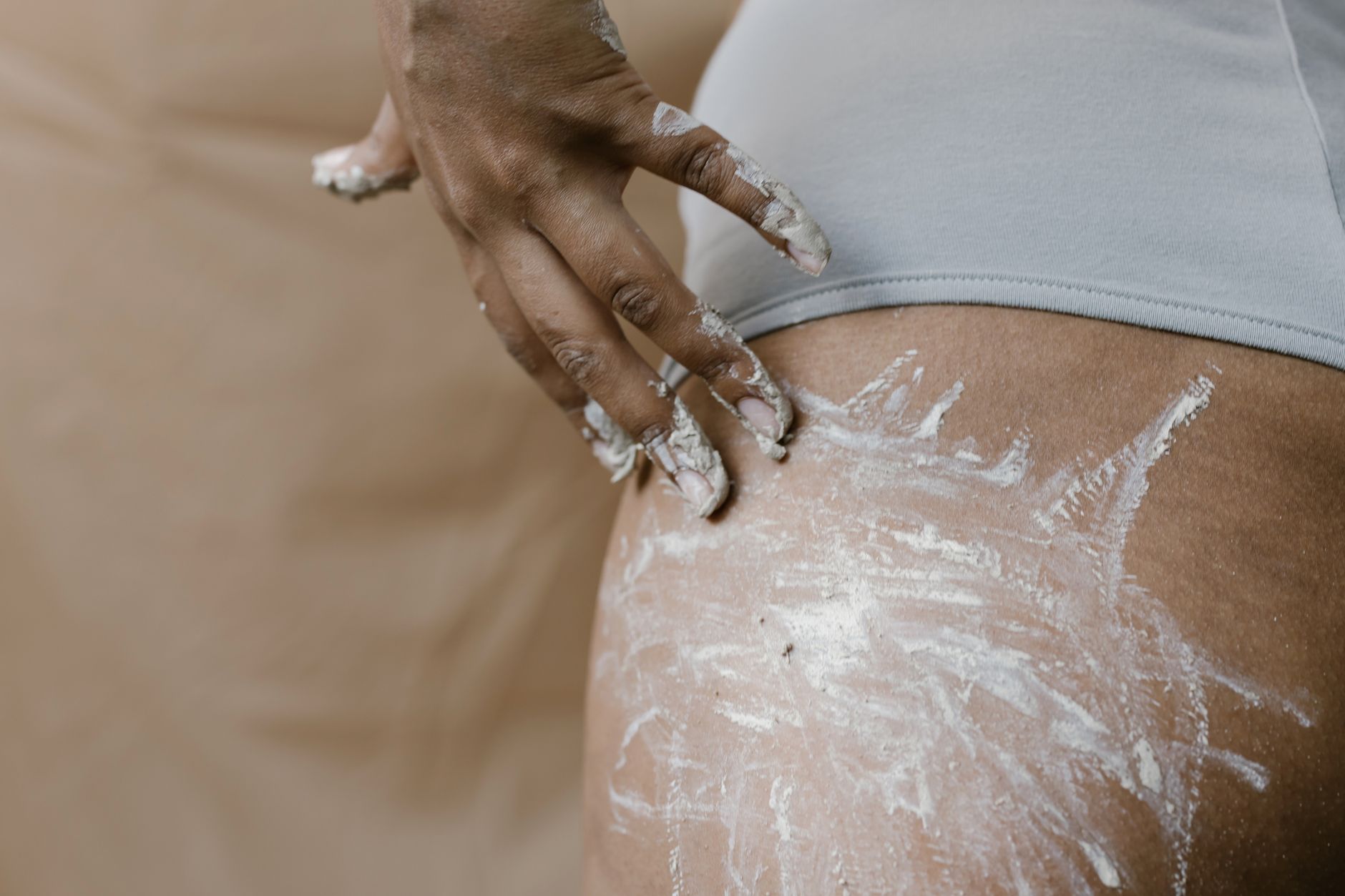
Butt acne is usually not facial acne at all, but folliculitis — irritated or mildly infected hair follicles that form red bumps and pus pimples on the buttocks. For beginners, the safety-first approach is gentle cleansing, less friction and sweat buildup, and no squeezing or cutting. Mild folliculitis often clears on its own within days, while doctors save oral antibiotics for severe or repeated infection. Knowing common triggers, safe home steps, and warning signs helps you avoid making the bumps worse.
Medical information disclaimer: This article is for general educational purposes only and does not provide medical advice, diagnosis, or treatment. Always consult a physician or other qualified health professional about symptoms, medications, tests, or treatment decisions.
Table of Contents
- What are these bumps?
- What triggers flare-ups?
- Which safe home steps help?
- When should you get clinical care?
What are these bumps?
Most buttock pimples start when hair follicles become blocked, rubbed, or mildly infected. The result looks like acne, with tender red bumps and white pus tips. According to Cleveland Clinic, this folliculitis is the usual cause of so-called butt acne Cleveland Clinic's explanation.
One mimic needs different care. Clusters of small, itchy red bumps may be Malassezia yeast folliculitis, which needs antifungal treatment. Standard antibacterial acne care will not clear that yeast-driven type, Cleveland Clinic notes Cleveland Clinic's guide to yeast folliculitis.
What triggers flare-ups?
Sweat, friction, and long sitting irritate follicles on the buttocks. Tight clothing or underwear that traps moisture adds to the problem. Health reports shaving, waxing, and hot-tub exposure as other common triggers that injure or block follicles Health's review of causes.
Think of tight leggings during a long commute, damp gym shorts left on after exercise, or a razor used on irritated skin. Each keeps heat, moisture, and germs close to hair openings. Reducing that contact often reduces new bumps.
Which safe home steps help?
Keep care simple and gentle. Shower after exercise to wash away sweat and bacteria.
Cleanse gently once daily, then place a warm, moist washcloth on the area several times per day. Do not shave the sore area while bumps are present. Never squeeze, pop, or cut bumps open, since that can spread infection or cause scarring.
When should you get clinical care?
Home care has limits. Similar-looking bumps can include boils, carbuncles, keratosis pilaris, and viral causes.
Large, very painful, spreading, recurrent, or fever-linked lesions need a clinician's diagnosis rather than continued self-treatment. For day-to-day prevention, wear loose breathable clothing and clean underwear. Change promptly out of sweaty clothes, avoid harsh scrubs and shared razors, and use moisturizer after gentle exfoliation if rough keratosis pilaris bumps also occur.