
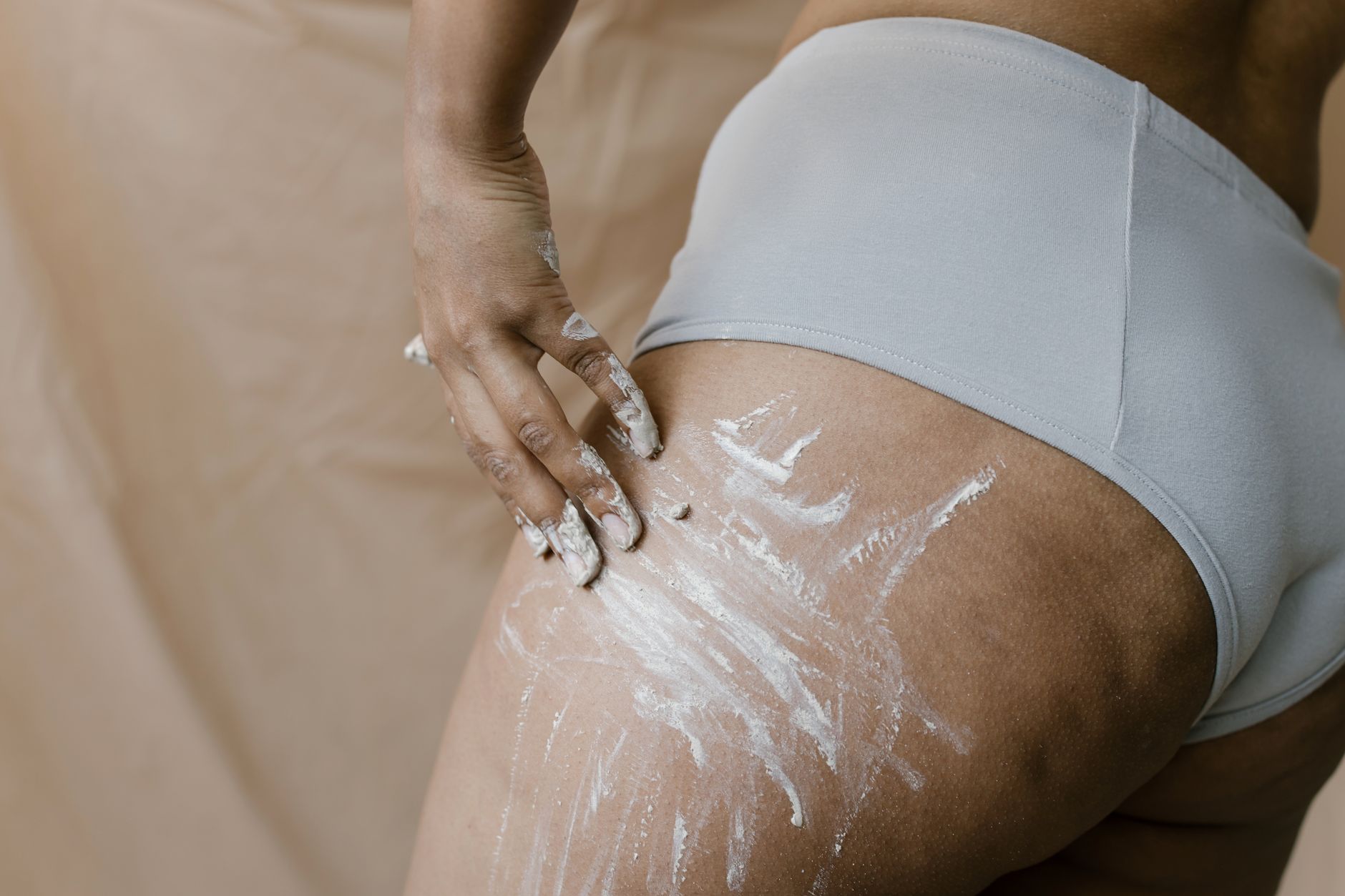
Bumps called "butt acne" are usually folliculitis, not true acne vulgaris, according to Verywell Health its butt-pimple guide. Folliculitis is inflammation of hair follicles that forms red, acne-like bumps centered on follicles. True acne involves Cutibacterium acnes bacteria in clogged pores. Buttock folliculitis more often involves Staphylococcus aureus bacteria or Malassezia yeast, so it needs different care.
Medical information disclaimer: This article is for general educational purposes only and does not provide medical advice, diagnosis, or treatment. Always consult a physician or other qualified health professional about symptoms, medications, tests, or treatment decisions.
Table of Contents
- How can you tell them apart?
- What causes buttock folliculitis?
- How should you treat mild bumps at home?
- When do you need medical care?
How can you tell them apart?
Folliculitis bumps sit directly on hair follicles. They often look like small red pimples or pustules, sometimes tender or itchy, and they can cluster where skin gets rubbed.
Look-alikes make self-diagnosis tricky. Dermatology Times explains that Malassezia yeast can cause nearly identical folliculitis its acne-versus-folliculitis comparison. True acne involves Cutibacterium acnes, while antibacterial acne antibiotics do not help fungal cases and can worsen them.
What causes buttock folliculitis?
Friction and moisture injure follicles and let microbes enter. Medical News Today links higher risk to tight clothing, trapped sweat, prolonged sitting, and shaving or waxing its buttock-breakout overview.
The UC San Diego Health Library identifies Staphylococcus aureus as the most common infectious cause. It notes folliculitis can affect anyone with hair follicles and may progress to boils.
How should you treat mild bumps at home?
Mild folliculitis often clears without prescription drugs. Mayo Clinic guidance recommends warm moist compresses several times daily to ease discomfort and help drainage, plus gentle antibacterial cleansing.
Health.com reports that benzoyl peroxide wash helps inflamed folliculitis bumps through antimicrobial action its folliculitis treatment guide. Persistent bacterial cases may need prescribed topical or oral antibiotics.
- Change out of sweaty clothes soon and wash the area gently
- Wear looser, breathable bottoms and limit long sitting when possible
- Use warm compresses several times daily for sore bumps
- Avoid shaving or waxing irritated skin until it calms
When do you need medical care?
Do not squeeze, pop, or cut bumps because that spreads infection, warn AboutKidsHealth and SickKids clinicians. Picking can push bacteria deeper and leave scars or larger boils.
Get prompt care for spreading redness, swelling, pain, fever, or bumps that keep returning. Recurrent disease may need culture testing to direct antibiotics or antifungals, since fungal folliculitis does not improve with antibacterial drugs.