
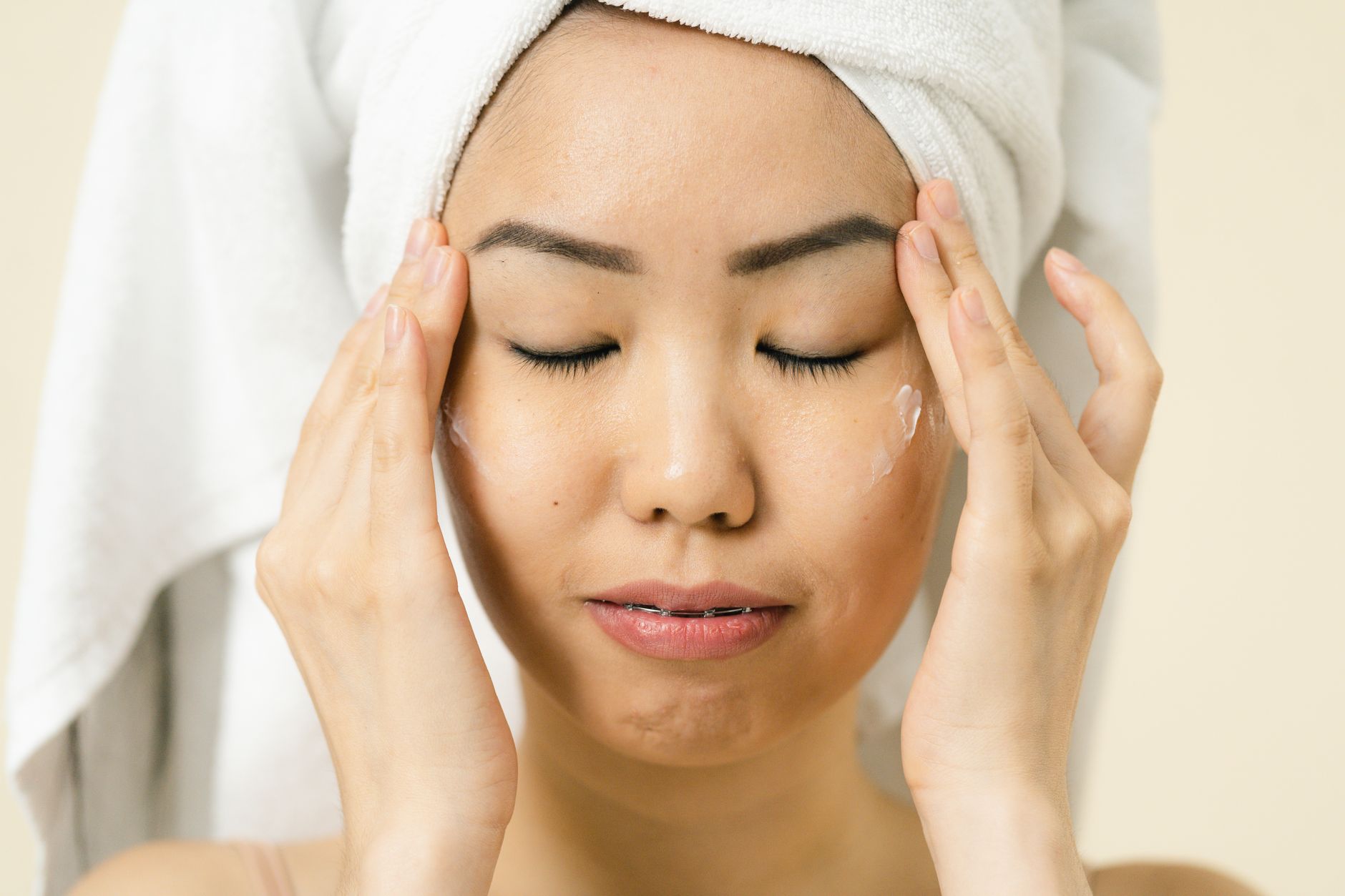
Wait until benzoyl peroxide feels fully dry before foundation, usually 10-15 minutes. No FDA benzoyl peroxide label sets a foundation wait in minutes; the order is cleanse, pat dry, apply a thin leave-on layer, then moisturizer and sunscreen, with foundation last after the film dries. Benzoyl peroxide is a leave-on acne treatment that fights acne bacteria on the skin. That thin film needs time to set so makeup sits evenly and the treatment stays where you placed it.
Medical information disclaimer: This article is for general educational purposes only and does not provide medical advice, diagnosis, or treatment. Always consult a physician or other qualified health professional about symptoms, medications, tests, or treatment decisions.
Table of Contents
- What order should morning products go in?
- Why does foundation need more time than moisturizer?
- How do you keep it off hair, clothes, and tools?
- What if skin turns dry, red, or peely?
- When should you replace the tube?
What order should morning products go in?
Start with cleanser, pat skin dry, then spread a pea-sized thin layer only on acne-prone areas. The DailyMed Padagis label describes this cleanse, dry, thin-layer, then moisturizer and sunscreen order in the Padagis 10 percent Drug Facts. Apply moisturizer and sunscreen next, then foundation last.
For daytime, sunscreen goes after treatment and before foundation because benzoyl peroxide increases sun sensitivity. A dermatology practice guide says 1-2 minutes is enough before moisturizer and that moisturizing over benzoyl peroxide does not reduce antibacterial action. Other how-to instructions advise at least 5 minutes so skin fully absorbs the layer before moisturizer and cosmetics.
Why does foundation need more time than moisturizer?
Moisturizer sinks in quickly, but foundation is pigment plus fillers that can drag, pill, or look patchy over a damp film. Product Q&A advice for makeup says to let benzoyl peroxide dry completely, usually 10-15 minutes.
Choose a non-comedogenic, oil-free foundation to lower the risk of clogged pores. Mayo Clinic acne advice likewise favors nonoily, noncomedogenic moisturizers and cosmetics in the acne treatment guidance. Use this simple morning sequence:.
- cleanse and pat dry
- apply a thin benzoyl peroxide layer and wash hands
- wait for the film to feel dry and set, then add moisturizer and sunscreen
- check for tackiness, then apply foundation sparingly with a clean tool
How do you keep it off hair, clothes, and tools?
Benzoyl peroxide can bleach hair and dyed fabrics, even from a small smear. Keep the thin layer away from the hairline, eyebrows, towels, pillowcases, and dark shirts. Wash your hands after application before touching makeup brushes, sponges, or clothing.
MedlinePlus warns about bleaching and hand-washing in its benzoyl peroxide topical entry. Let each layer dry before the next step. Wet product transfers more easily to a brush or collar than a set film does.
What if skin turns dry, red, or peely?
Dryness, redness, burning, itching, peeling, or swelling are expected risks, worst in the first weeks. Start once daily or on alternate days, test a small area for 3 days, and lower frequency or strength if irritation appears. Do not stack alcohol-based toners or extra drying acne products unless your prescriber directs it.
More drying power rarely speeds clearing and often makes foundation cling to flakes. Shorten contact time if needed, then rebuild slowly. A calm, lightly moisturized surface holds foundation better than irritated skin.
When should you replace the tube?
Timing cannot rescue degraded product. The American Academy of Dermatology advises replacing benzoyl peroxide products every 10-12 weeks and discarding product exposed to high heat above about 78 degrees in the benzoyl peroxide product statement.
Heat damage can reduce effectiveness and increase irritation. Store the tube in a cool spot, not a hot car or sunny bathroom shelf.