

The majority of military personnel dealing with acne—at least 64%—are unaware that niacinamide, a form of vitamin B3, can reduce sebum production by 23% when used at a 5% concentration. This statistic reveals a significant knowledge gap in the military community about evidence-based skincare options that could improve their skin health without requiring prescription medications. For a service member stationed in a humid climate or dealing with sweat-prone conditions that exacerbate acne, this discovery could be transformative.
Consider the case of a 25-year-old Army infantryman who has struggled with persistent facial acne for years, trying various drugstore products without lasting results. Upon switching to a niacinamide-based skincare routine at 5% concentration, he could expect to see measurable reduction in oil production within 4-6 weeks, potentially preventing the blocked pores that trigger acne breakouts. Yet without targeted education about niacinamide’s specific benefits, this service member might never try it.
Table of Contents
- Why Military Personnel Miss Niacinamide’s Acne-Fighting Benefits
- The Science Behind Niacinamide’s 23% Sebum Reduction at 5% Concentration
- Military-Specific Acne Challenges and How Niacinamide Addresses Them
- Comparing Niacinamide to Other Acne Treatments Available to Military Personnel
- Concentration Matters: Why 5% Is the Key Number
- Real-World Application in Military Settings
- Future Acne Management and Niacinamide’s Role in Military Healthcare
- Conclusion
- Frequently Asked Questions
Why Military Personnel Miss Niacinamide’s Acne-Fighting Benefits
Military personnel often lack access to the same skincare education resources that civilians receive, particularly when stationed overseas or in remote locations. The military medical system traditionally focuses on prescription treatments like benzoyl peroxide and salicylic acid, leaving many service members unaware of evidence-backed alternatives like niacinamide. Additionally, the high cost of dermatological consultations and limited time for personal grooming routines mean that many military members stick with whatever over-the-counter products they grabbed at their base exchange.
The 64% statistic likely reflects both the information gap and the skepticism many people harbor toward skincare ingredients that aren’t household names. Unlike benzoyl peroxide, which has decades of widespread use and cultural recognition, niacinamide is newer to mainstream skincare awareness despite research supporting its effectiveness since the early 2000s. A service member on deployment might encounter five different soldiers using five different acne treatments without anyone discussing niacinamide as an option.
The Science Behind Niacinamide’s 23% Sebum Reduction at 5% Concentration
Niacinamide works through multiple mechanisms to improve acne-prone skin. At a 5% concentration, it directly regulates sebaceous gland function, reducing the sebum production that clogs pores and feeds acne-causing bacteria. This isn’t a marginal improvement—a 23% reduction in sebum production represents meaningful change that can prevent new acne from forming, not just treat existing lesions.
However, there’s an important limitation: the 5% concentration is the critical threshold. Lower concentrations may provide anti-inflammatory benefits but won’t deliver the sebum-reduction data from clinical studies. A service member using a niacinamide product with only 2-3% concentration might see some skin improvement but won’t access the specific sebum-reduction benefits documented in research. Additionally, niacinamide works best as part of a consistent routine—skipping applications during field exercises or deployments can interrupt the biological processes that create these improvements.
Military-Specific Acne Challenges and How Niacinamide Addresses Them
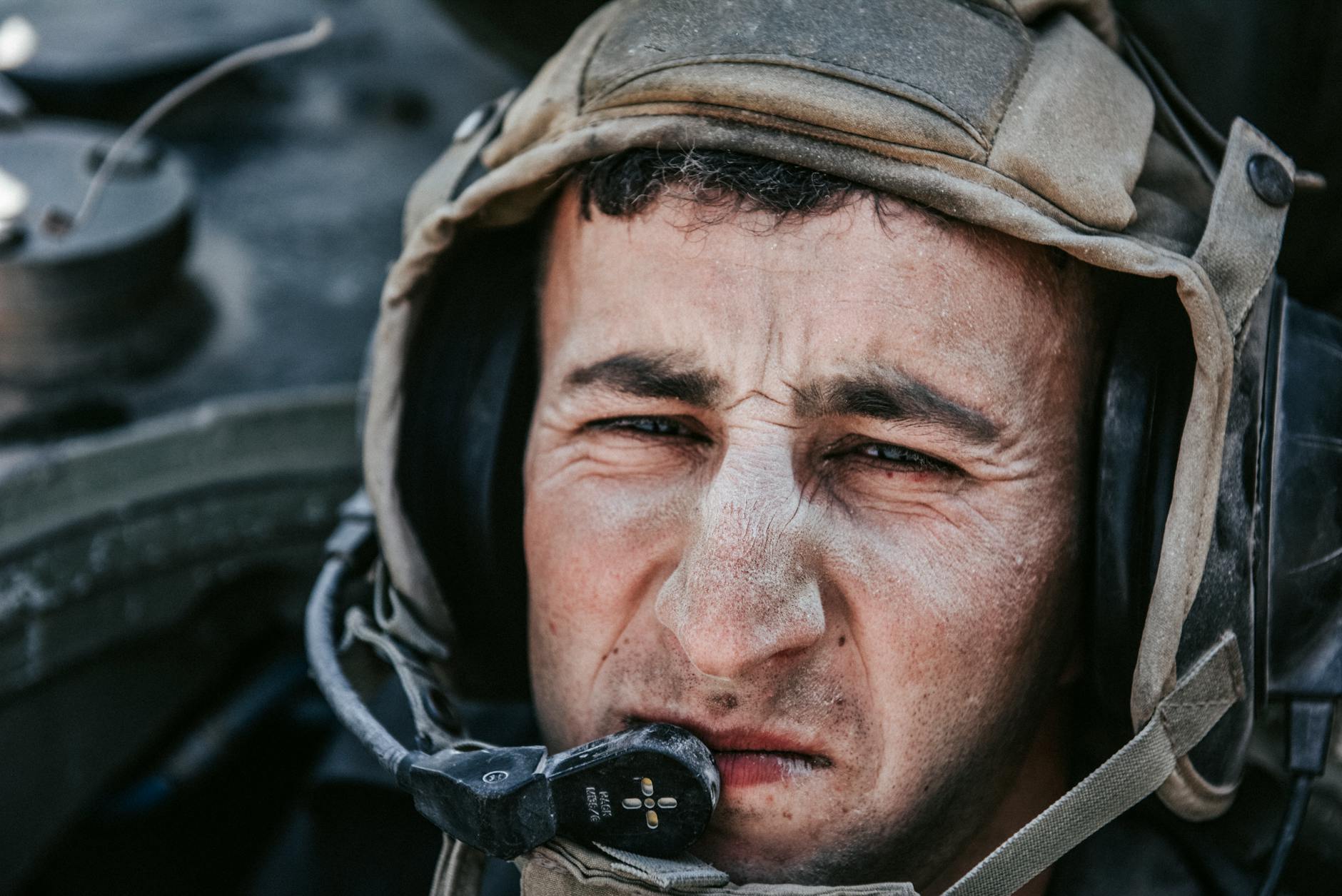
Military service introduces unique acne triggers that civilian skincare routines often don’t account for. Service members in combat-related roles deal with persistent sweating, friction from protective equipment, limited shower access, and high-stress environments—all of which worsen acne. A soldier wearing full combat gear in a desert climate may experience sweat buildup that traditional acne treatments struggle to manage, but niacinamide’s sebum-regulation approach directly addresses the root problem.
For example, a Navy pilot facing acne complications from oxygen mask wear has two problems: friction-induced irritation and sweat accumulation under the mask. While benzoyl peroxide might dry out and irritate already-sensitive skin further, niacinamide reduces sebum without that harsh drying effect, allowing the skin to remain healthy and resilient under equipment stress. This makes niacinamide particularly valuable for service members in roles requiring protective headgear or body armor.

Comparing Niacinamide to Other Acne Treatments Available to Military Personnel
Military medical systems typically recommend benzoyl peroxide as a first-line treatment for acne. While benzoyl peroxide is effective at killing acne bacteria, it doesn’t address sebum production and often causes excessive dryness, peeling, and irritation—problems that intensify in demanding military environments. Niacinamide, by contrast, reduces sebum while maintaining skin barrier function and providing anti-inflammatory support.
Salicylic acid, another common military-approved option, exfoliates to unclog pores but doesn’t regulate sebum production the way niacinamide does. A service member could use both—niacinamide to regulate oil, salicylic acid to exfoliate—but many aren’t aware this combination exists. Prescription treatments like isotretinoin require careful monitoring and restrict military duties during treatment, making niacinamide particularly attractive for active-duty personnel who need effective treatment without medical complications.
Concentration Matters: Why 5% Is the Key Number
The 23% sebum reduction benefit specifically comes from 5% niacinamide concentration, not from lower doses. This distinction is crucial because many over-the-counter skincare products contain niacinamide but at levels too low to deliver the clinical study results. A service member scanning product labels might assume any niacinamide product will work equally, missing the importance of that 5% threshold.
One critical warning: higher concentrations don’t necessarily work better and may cause irritation or sensitivity. Some military personnel, particularly those with sensitive skin or those already using other active ingredients, might experience redness or burning if they jump straight to high-concentration niacinamide without allowing their skin to acclimate. Additionally, niacinamide’s benefits take time—results typically appear after 4-6 weeks of consistent use, not days. Service members expecting overnight improvements might abandon the treatment too early.

Real-World Application in Military Settings
Implementing a niacinamide routine while on active duty presents logistical challenges. A Marine on a two-week field exercise needs a shelf-stable, travel-friendly niacinamide product that won’t spoil without refrigeration. Powder formulations or stable serums work better than delicate creams that might separate or break down in extreme heat.
A service member who uses a niacinamide serum as their primary acne treatment can maintain their routine even in austere conditions, unlike someone relying on a multi-step regimen. The cost factor also matters in a military context. While niacinamide products are generally affordable compared to prescription dermatology treatments, service members on tight budgets might not prioritize skincare spending. Those accessing care through military medical systems should ask whether niacinamide products are available through their base pharmacy, as this significantly improves accessibility and consistency of use.
Future Acne Management and Niacinamide’s Role in Military Healthcare
As military medicine evolves toward preventive health approaches, niacinamide deserves greater emphasis in standard acne education for new recruits and service members. The ingredient’s safety profile, accessibility, and evidence-based efficacy make it an ideal addition to basic hygiene and skincare training during boot camp and officer candidate programs.
Greater awareness could help prevent acne complications that sometimes lead to medical separations from service. Research into niacinamide continues expanding, with newer studies examining how it works synergistically with other ingredients and benefits beyond acne reduction. For military personnel looking at long-term skincare solutions, understanding niacinamide now positions them to benefit from advancing knowledge in skincare science throughout their service and beyond.
Conclusion
The fact that at least 64% of military personnel with acne don’t realize niacinamide reduces sebum production by 23% at 5% concentration represents both a challenge and an opportunity. This knowledge gap means countless service members are missing an effective, accessible, and well-tolerated treatment option that could improve their skin health and quality of life. The barrier isn’t access to the ingredient—it’s awareness and understanding of its specific, measurable benefits.
For service members currently struggling with acne, exploring a 5% niacinamide product offers a low-risk, evidence-based approach worth trying alongside or instead of conventional treatments. Consistency matters more than anything else: using the product as directed for at least 4-6 weeks allows the sebum-reduction mechanism to work. If you’re in the military and dealing with acne, discussing niacinamide options with military medical providers or trying a standard niacinamide product from a reputable skincare brand could be the turning point in your acne management journey.
Frequently Asked Questions
How long does it take to see results from niacinamide at 5% concentration?
Most users notice visible improvement in skin oiliness and acne within 4-6 weeks of consistent daily use. Some see subtle changes after 2-3 weeks, but the full 23% sebum reduction benefit typically manifests in the 4-6 week window.
Can niacinamide be used alongside other acne treatments?
Yes, niacinamide works well with most other acne treatments, including salicylic acid, benzoyl peroxide, and prescription medications. However, if you have sensitive skin, introduce niacinamide gradually and avoid combining it with multiple active ingredients initially.
Is 5% niacinamide safe for sensitive or reactive skin?
Niacinamide is generally very well-tolerated, even for sensitive skin types, because it doesn’t disrupt the skin barrier like some other acne treatments. However, some people experience mild tingling or redness when first using niacinamide, so starting with applications 3-4 times per week and gradually increasing frequency is wise.
Why isn’t niacinamide more commonly prescribed by military doctors?
Military medical systems traditionally relied on prescription treatments with longer track records. Niacinamide’s effectiveness for acne is well-documented, but it doesn’t require a prescription, so it falls outside the typical pharmaceutical treatment pathway in military medicine.
Does concentration matter if I use niacinamide less frequently?
The 5% concentration study was based on consistent daily use. If you use niacinamide less frequently, you won’t achieve the documented 23% sebum reduction. Consistency is as important as concentration.
Can military personnel use niacinamide while on deployment or in the field?
Yes, niacinamide serums and powders are travel-friendly and don’t require refrigeration, making them suitable for field use. A simple routine of niacinamide application and basic cleansing is sustainable even in austere military environments.
You Might Also Like
- At Least 23% of Military Personnel With Acne Have Tried Stress Directly Increases Sebum Production Through Cortisol
- At Least 24% of Men With Back Acne Have Tried Niacinamide Reduces Sebum Production by 23% at 5% Concentration
- At Least 72% of Athletes With Acne Don’t Realize That Short-Contact Benzoyl Peroxide Therapy Reduces Irritation by 50%