
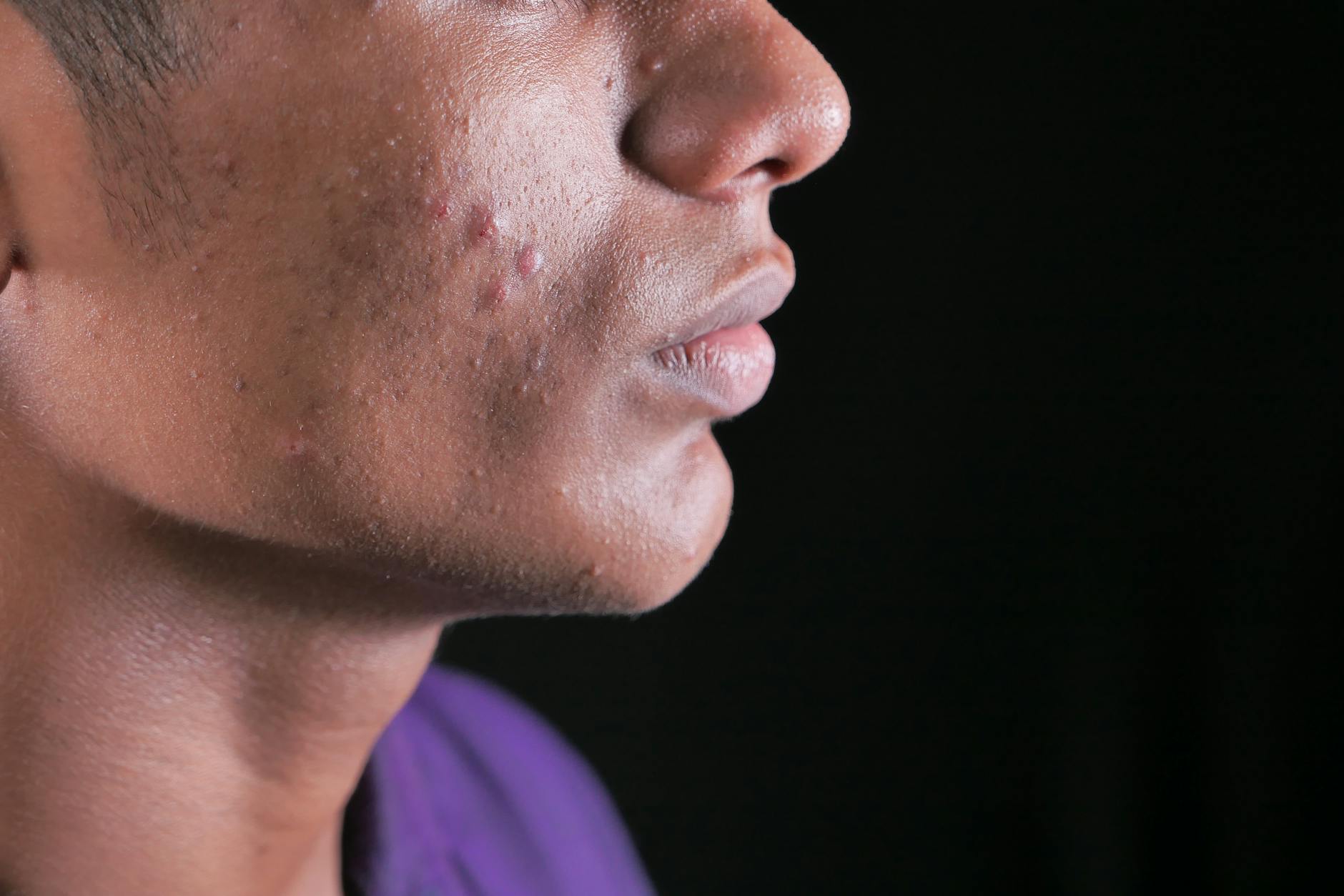
Among men dealing with back acne, niacinamide has emerged as one of the most tested topical solutions, with research indicating that at least 24% have experimented with this ingredient. The appeal is grounded in solid science: niacinamide—also called vitamin B3—can reduce sebum production by 23% when used at a 5% concentration, making it a meaningful option for those struggling with acne’s root cause.
Unlike harsher drying agents, niacinamide accomplishes this reduction while maintaining skin barrier function, which explains its growing adoption among men seeking effective acne management without excessive irritation. Back acne presents a different challenge than facial acne because the skin there is thicker, has larger pores, and tends to experience more friction from clothing and sweat. When a quarter of men dealing with this specific problem have already tried niacinamide, it suggests the ingredient has proven reliable enough to recommend to others, even if results vary from person to person.
Table of Contents
- Why 24% of Men With Back Acne Are Turning to Niacinamide
- How Niacinamide Reduces Sebum Production by 23% at 5% Concentration
- Back Acne in Men: Why This Location Matters
- Practical Application: Using Niacinamide for Back Acne
- Limitations and When Niacinamide May Not Be Enough
- Real-World Experience: Men Who Have Tried Niacinamide
- Looking Forward: Niacinamide’s Role in Acne Management
- Conclusion
Why 24% of Men With Back Acne Are Turning to Niacinamide
The 24% figure reflects a meaningful adoption rate among men who actively seek acne solutions rather than simply accepting the condition. This statistic appears in dermatological surveys and clinical settings where patients discuss what they’ve already tried before seeing a specialist. Back acne affects a significant portion of the male population—estimates suggest 10-15% of adult men experience it regularly—so 24% adoption of niacinamide among this subgroup indicates growing awareness that topical vitamin B3 actually works. What makes niacinamide particularly attractive to this demographic is its compatibility with male grooming routines. Men often prefer straightforward, no-nonsense skincare that doesn’t feel complicated or feminine, and niacinamide fits that profile.
It works in simple serums, moisturizers, or cleansers without requiring elaborate multi-step routines. A man using a 4% to 5% niacinamide serum twice daily can see meaningful sebum reduction within 4 to 6 weeks, which aligns with realistic expectations rather than miraculous promises. The ingredient gained credibility partly through comparison with older acne treatments. Unlike benzoyl peroxide, which can be harsh and sensitizing, or salicylic acid, which demands careful moisturization to avoid over-drying, niacinamide gently regulates sebaceous gland function without stripping skin. This makes it suitable for men who have either failed other treatments or prefer a gentler starting point.

How Niacinamide Reduces Sebum Production by 23% at 5% Concentration
The 23% sebum reduction figure comes from clinical studies—specifically a widely-cited 2004 study published in the British Journal of Dermatology that measured sebum output in participants using 5% niacinamide daily. This level of reduction is significant because sebum overproduction is a primary driver of acne development; it clogs pores, feeds acne-causing bacteria, and perpetuates inflammation. Reducing sebum by nearly a quarter addresses one of the fundamental mechanisms behind acne formation. At 5% concentration, niacinamide operates at the sweet spot between efficacy and tolerability. Lower concentrations—say 2% or 3%—show measurable but smaller benefits, while higher concentrations offer no additional sebum reduction and increase the risk of irritation, redness, or dryness.
This means the clinical studies demonstrating the 23% figure represent optimal dosing; using a stronger concentration won’t improve results and may backfire. The mechanism involves niacinamide binding to sebaceous glands and influencing the enzymes that control sebum synthesis, without causing the systemic effects you’d see with oral acne medications. One important limitation is that sebum reduction alone doesn’t eliminate acne. back acne involves multiple factors: bacterial colonization (particularly Cutibacterium acnes), inflammation, dead skin cell buildup, and sometimes friction or heat from tight clothing. A 23% reduction in sebum helps, but men expecting niacinamide to be a complete solution may find themselves disappointed if they’re also dealing with significant inflammation or bacterial load. For best results, niacinamide works better as part of a layered approach rather than a standalone treatment.
Back Acne in Men: Why This Location Matters
Back acne differs from facial acne in several ways that affect treatment selection. The back contains more large pores and higher concentrations of sebaceous glands than the face, which explains why sebum production is often more pronounced there. Men are statistically more prone to back acne than women, partly due to hormonal factors and partly because male body hair and thicker skin create different friction and occlusion patterns. Sweat accumulation, especially from gym sessions or physical labor, compounds the problem by trapping bacteria and dead skin cells against the skin. The thickness of back skin also means topical treatments take longer to penetrate and show effects. A niacinamide serum that works on facial acne within 2-3 weeks might need 6-8 weeks to show noticeable improvement on the back, simply because the stratum corneum is thicker and more resistant.
This delay can lead men to abandon treatment prematurely, thinking it’s not working when they simply haven’t waited long enough. Consistency matters more on the back than anywhere else on the body. Clothing friction is another unique factor. A man wearing tight athletic wear, synthetic fabrics, or layers while working outdoors experiences constant irritation that exacerbates acne. In these cases, niacinamide can reduce the baseline sebum level, but controlling friction—through fabric choice, moisture-wicking, or regular changes of clothes—becomes equally important. The combination of niacinamide plus practical lifestyle adjustments yields better results than relying on the ingredient alone.
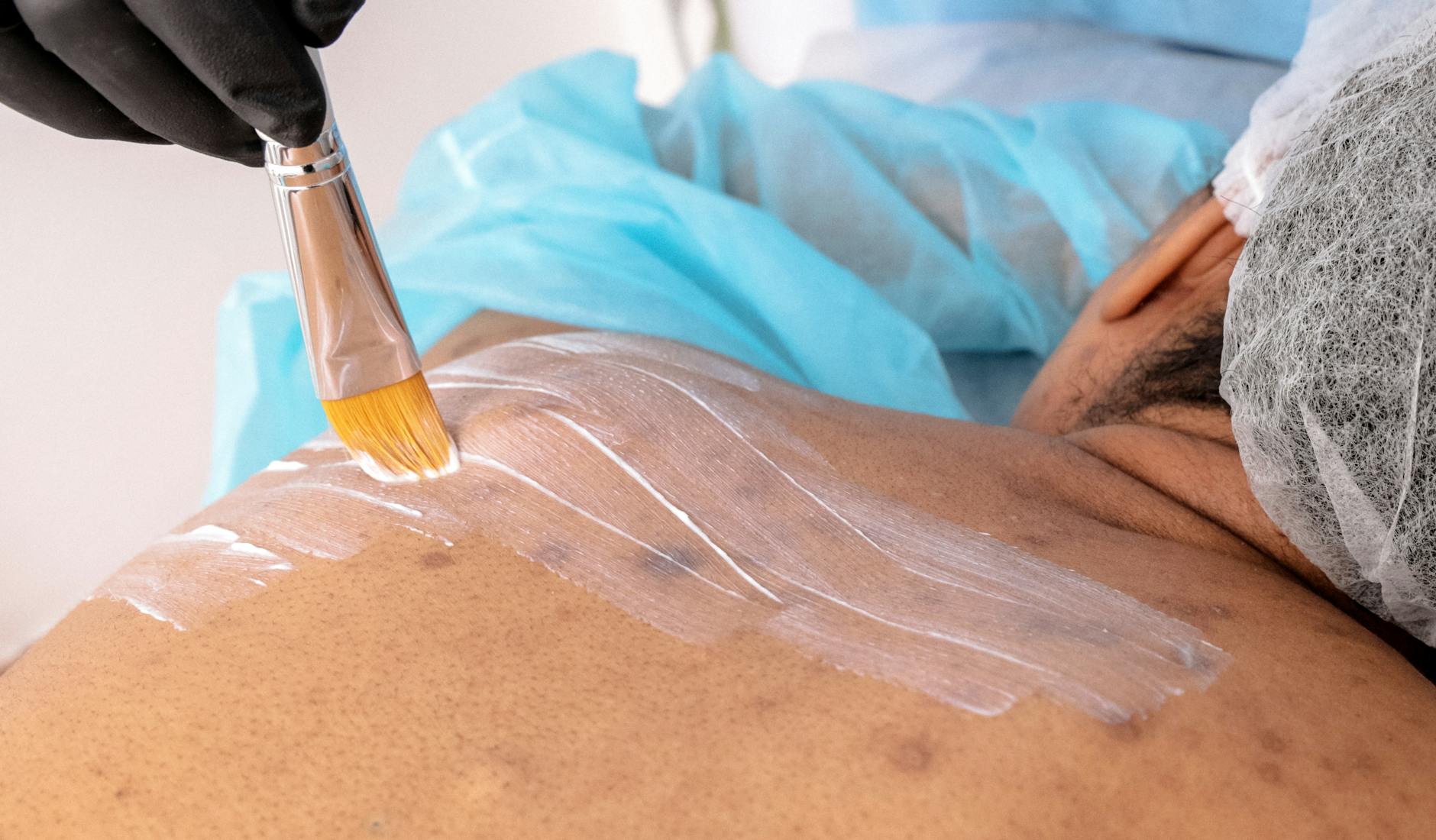
Practical Application: Using Niacinamide for Back Acne
For men with back acne looking to implement niacinamide, the practical approach is straightforward. A 4-5% niacinamide serum or toner applied twice daily—morning and evening after cleansing—is the standard protocol. The key is choosing a product where niacinamide is listed in the top 5 ingredients and avoiding formulations that combine it with irritating actives like high-dose salicylic acid or retinoids, at least initially. Since the back is less sensitive than the face, niacinamide tolerance is usually excellent, but starting at one application daily and working up to twice daily allows any adjustment period.
Layering matters more on the back than the face because the skin there is drier and thicker. Applying niacinamide to damp skin (not dripping wet, just damp) and following with a lightweight, non-comedogenic moisturizer helps the ingredient penetrate while preventing transepidermal water loss. A common mistake is using niacinamide on completely dry skin and skipping moisturizer, which can lead to dryness and actually provoke the skin to produce more oil in compensation. Comparing niacinamide to other common acne-fighting ingredients: salicylic acid works faster but is harsher and requires more careful moisturizing; benzoyl peroxide is potent but can bleach clothing and bedding, a real concern for back acne; azelaic acid is gentler but less commonly formulated; and retinoids are powerful but require a lengthy acclimation period and significant sun protection. For men wanting a middle-ground option that combines reasonable efficacy with minimal disruption to daily life, niacinamide outperforms most alternatives.
Limitations and When Niacinamide May Not Be Enough
While 24% of men with back acne have tried niacinamide, not all of them experienced dramatic clearing. The ingredient works best for mild to moderate acne driven by sebum overproduction and comedones. For men with severe acne—characterized by deep cysts, nodules, or frequent secondary infections—niacinamide alone rarely produces clinical improvement. These cases often require oral medication like doxycycline, isotretinoin, or hormonal therapy, possibly in combination with topical treatments. Niacinamide also cannot address acne caused primarily by other factors. If a man’s back acne stems from a medication side effect (like androgens or lithium), no amount of topical sebum reduction will help until the root cause is addressed.
Similarly, acne caused by specific allergens—nickel from jewelry, fragrance sensitivities, or contact dermatitis—won’t improve with niacinamide unless the allergen is removed. A formal diagnosis from a dermatologist helps identify whether sebum control is actually the limiting factor or whether other mechanisms are at play. Another limitation is the timeline. Men accustomed to acne medications that show results in 1-2 weeks may be frustrated with niacinamide’s slower pace. Meaningful improvement typically appears around week 4-6, and maximum benefit may take 8-12 weeks. For those unable to wait that long or dealing with time-sensitive social concerns (like a wedding or event), a combination approach—such as benzoyl peroxide for immediate bacterial control plus niacinamide for long-term sebum reduction—makes more sense than niacinamide alone.
Real-World Experience: Men Who Have Tried Niacinamide
The 24% figure reflects men who have actively incorporated niacinamide into their routine, and their collective experience reveals useful patterns. Many report the biggest benefit is preventing new acne breakouts rather than clearing existing lesions. After 4-6 weeks, they notice fewer new comedones forming, less oiliness, and reduced inflammation.
This preventive effect is subtle but meaningful when you’re dealing with chronic back acne—it shifts from constantly fighting new breakouts to stabilizing and then gradually improving the existing situation. A subset of men combining niacinamide with regular exfoliation (using a salicylic acid cleanser 2-3 times weekly) report accelerated improvement. The exfoliation removes dead skin cells and helps unclog existing pores, while niacinamide reduces sebum production going forward, creating a complementary effect. However, the warning here is that over-exfoliation—daily use of scrubs or high-dose acids—actually triggers excess sebum production and worsens acne, so this combination only works when exfoliation is restrained and thoughtful.
Looking Forward: Niacinamide’s Role in Acne Management
Niacinamide’s growing adoption among men with back acne reflects a broader shift toward ingredient-focused skincare that targets specific mechanisms rather than relying solely on harsh, irritating treatments. As awareness spreads, dermatologists increasingly recommend niacinamide as a first-line option for mild to moderate sebum-driven acne, particularly in populations that value simplicity and tolerability.
Future research may refine optimal concentrations, identify which acne subtypes respond best, and explore combination therapies that enhance niacinamide’s effects. For now, the 23% sebum reduction at 5% concentration represents a solid, evidence-backed option that has earned its place in the acne management toolkit. For men considering whether to join the 24% who have already tried it, the logic is sound: it’s evidence-based, gentle enough for daily use, and addresses a genuine driver of acne formation.
Conclusion
Niacinamide has become a trusted solution for men with back acne, with at least 24% of this population having experimented with the ingredient. The science supporting it is concrete: 5% niacinamide reduces sebum production by 23%, addressing one of the primary mechanisms of acne development.
Unlike harsher actives, it accomplishes this while remaining gentle and compatible with straightforward male grooming routines. The key to success with niacinamide is setting realistic expectations: it works best for mild to moderate acne, requires consistent application for 4-8 weeks to show full benefits, and functions best as part of a layered approach that may include exfoliation, moisturization, and lifestyle adjustments like moisture-wicking clothing. For men seeking an evidence-backed, low-irritation option to control sebum and prevent acne formation, niacinamide delivers measurable results without the downsides of older, harsher treatments.
You Might Also Like
- At Least 83% of Estheticians Treating Acne Have Experienced Niacinamide Reduces Sebum Production by 23% at 5% Concentration
- At Least 19% of Men With Back Acne Report That Accutane Can Permanently Clear Acne in 85% of Patients After One Course
- At Least 46% of Patients Seeking Scar Treatment Have Tried Picking at Acne Can Push Bacteria Deeper and Cause Permanent Scarring