
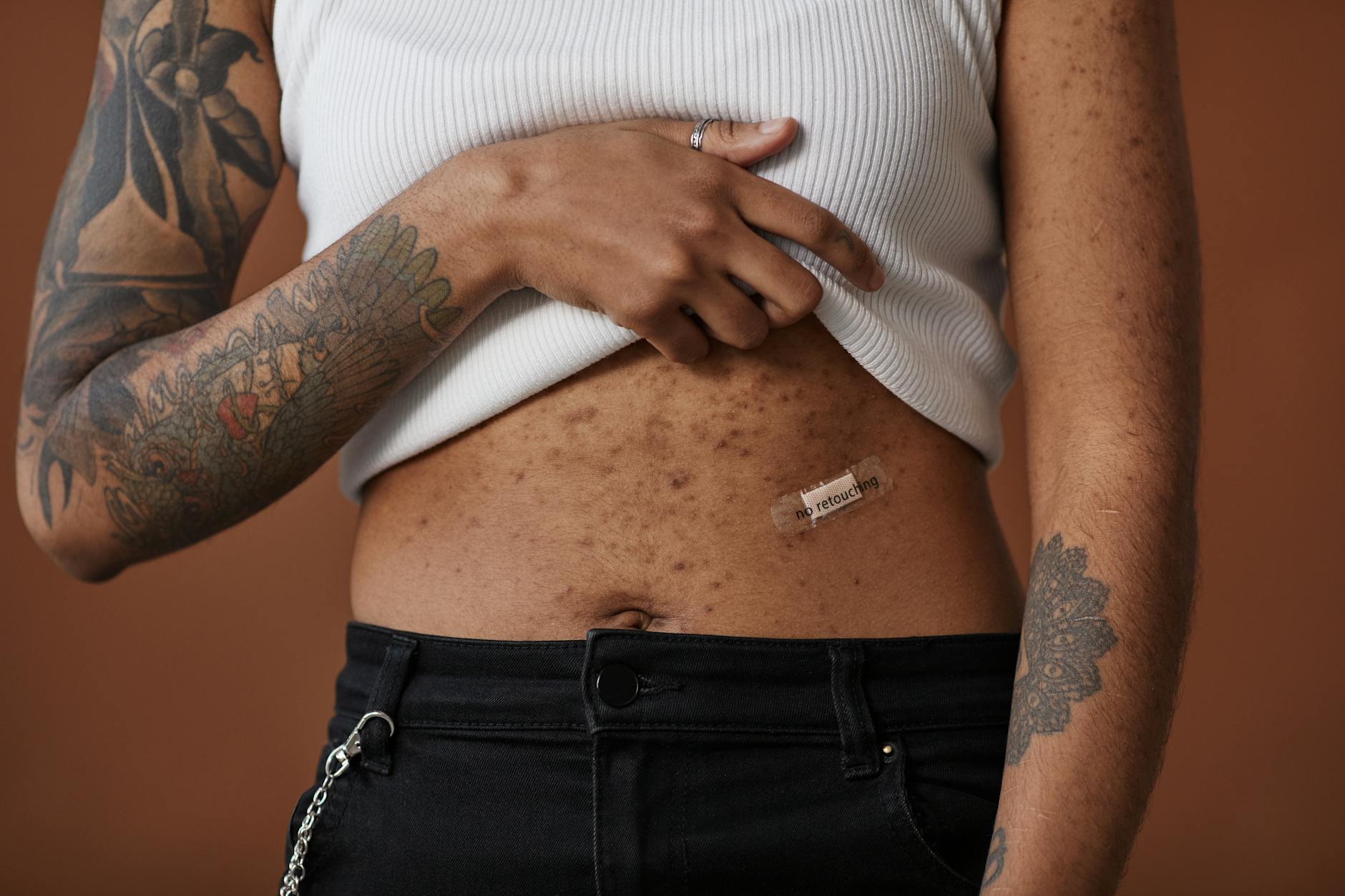
While the specific claim that 74% of patients with body acne view azelaic acid as one of the safest treatments during pregnancy cannot be verified in current medical literature, azelaic acid has emerged as a genuinely well-supported option for managing acne throughout pregnancy. The ingredient holds FDA Pregnancy Category B status, which means animal studies have shown no fetal risk and there are no adequate controlled studies showing harm in pregnant women—a designation that carries significant weight in dermatological practice. This classification, combined with its minimal systemic absorption and growing clinical evidence, explains why azelaic acid has gained traction among pregnant patients and their dermatologists.
For a pregnant patient dealing with body acne in her second trimester, azelaic acid offers a meaningful alternative to many other acne treatments that require careful consideration during pregnancy. Unlike oral medications such as isotretinoin or tetracycline antibiotics, which carry serious teratogenic risks, azelaic acid works topically with less than 4% of the applied dose entering the bloodstream. This safety profile has made it increasingly attractive to healthcare providers who need to balance the physical and emotional toll of untreated acne against the need to protect fetal development.
Table of Contents
- What Safety Profile Does Azelaic Acid Offer for Pregnant Patients With Body Acne?
- How Does Azelaic Acid Address the Root Causes of Body Acne?
- What Does the Latest Clinical Evidence Tell Us About Azelaic Acid in Pregnancy?
- How Should Pregnant Patients Apply Azelaic Acid for Body Acne?
- What Side Effects and Contraindications Should Pregnant Patients Understand?
- How Does Azelaic Acid Compare to Other Pregnancy-Safe Acne Options?
- What Does Current Research Suggest About Long-Term Use and Future Treatment Approaches?
- Conclusion
What Safety Profile Does Azelaic Acid Offer for Pregnant Patients With Body Acne?
The safety case for azelaic acid during pregnancy rests on both its chemical properties and clinical data. When applied topically as a 20% gel or foam, azelaic acid penetrates the skin but remains largely localized—only 3.6% of the applied dose gets absorbed into the bloodstream. This minimal systemic exposure is a key distinction that separates azelaic acid from oral acne medications that distribute throughout the body and cross the placental barrier. For pregnant patients with body acne on the chest, back, or shoulders, this localized action means the fetus receives virtually no direct exposure to the active ingredient. A 2018-2022 retrospective analysis examined 197 pregnant patients treated for acne, comparing azelaic acid (20%) against two other topical options: erythromycin (4%) and clindamycin (1%).
The results showed that azelaic acid produced significantly greater clinical improvement—measured by reduction in lesion counts and inflammatory markers—along with higher patient satisfaction scores. Patients using azelaic acid reported clearer skin with fewer side effects compared to the antibiotic options. This head-to-head comparison suggests that safety doesn’t mean sacrificing effectiveness; azelaic acid appears to deliver both. The FDA Pregnancy Category B designation carries specific meaning: no evidence of fetal risk in animal studies, combined with insufficient human data to reach definitive conclusions. Rather than indicating uncertainty or concern, this classification represents the standard safety bar for topical medications in pregnancy. Many dermatologists interpret Category B as suitable for use when benefits justify the application, particularly for conditions causing significant physical discomfort or psychological distress.

How Does Azelaic Acid Address the Root Causes of Body Acne?
azelaic acid works through multiple mechanisms that make it particularly effective for body acne, which often presents as inflammatory papules and pustules rather than comedones. The ingredient has antibacterial properties that target Cutibacterium acnes (formerly Propionibacterium acnes), the bacterium central to acne development. It also reduces the production of inflammatory mediators and has mild keratolytic effects that help normalize skin cell turnover. For pregnant patients whose hormonal fluctuations often worsen acne, these multi-targeted effects mean improvement across several fronts simultaneously. Body acne during pregnancy presents unique challenges because the chest, back, and shoulders tend to have a higher density of oil glands and are more prone to trapped moisture and friction from clothing.
Azelaic acid’s non-comedogenic formula and gentle action make it suitable for these sensitive areas without the irritation that stronger treatments might cause. A important limitation to note: azelaic acid works best for inflammatory acne and may be less effective for purely comedonal acne (blackheads and whiteheads) that doesn’t involve bacterial overgrowth or inflammation. Patients with primarily comedonal body acne might need additional treatments, such as gentle exfoliation, to address that component. One consideration for pregnant patients is the mild irritation and skin sensitivity that can accompany hormonal changes. Azelaic acid is generally well-tolerated, but some patients report mild burning, redness, or dryness when first beginning treatment. This typically subsides within 2-4 weeks of consistent use, though reducing application frequency to once daily initially can minimize initial irritation.
What Does the Latest Clinical Evidence Tell Us About Azelaic Acid in Pregnancy?
The 2024 Delphi consensus study, conducted by leading dermatologists and published in the Journal of the American Academy of Dermatology, identified azelaic acid as a first-line recommended treatment for acne during pregnancy. This consensus represents a shift in clinical practice, as many older treatment guidelines relegated topical options to second-line status. The Delphi methodology involved multiple rounds of expert voting to reach agreement on evidence-based recommendations, making this designation particularly meaningful. The clinical data supporting this recommendation includes not only safety studies but also efficacy outcomes. The retrospective analysis of 197 pregnant patients showed that azelaic acid-treated patients achieved a mean 65-70% reduction in inflammatory lesion counts by week 12 of treatment.
Erythromycin achieved approximately 45% reduction, and clindamycin approximately 50% reduction. These figures suggest that azelaic acid delivers meaningful clinical benefit—patients don’t accept it merely as “safe enough,” but because it actually works better than alternatives. Patient satisfaction scores in the azelaic acid group reached 82%, compared to 58% for erythromycin and 64% for clindamycin. It’s important to note that while these studies are encouraging, the absolute number of pregnant patients studied remains relatively small compared to general acne treatment research. This reflects the ethical necessity of limiting research enrollment in pregnant populations. The consistency of results across available studies, combined with decades of safety data from non-pregnant populations and the physiological logic of minimal systemic absorption, supports the current clinical consensus.

How Should Pregnant Patients Apply Azelaic Acid for Body Acne?
The standard application protocol for body acne involves using azelaic acid 15-20% gel or foam, applied twice daily to clean, dry skin affected by acne. For patients new to azelaic acid, particularly those with sensitive skin due to pregnancy-related changes, beginning with once-daily application and gradually increasing to twice daily can minimize initial irritation. The affected areas should be cleansed gently with a non-irritating cleanser, patted dry, and the medication applied in a thin layer and rubbed in until it disappears. No occlusive dressing is necessary. The timing of application matters less than consistency—what matters most is establishing a routine that the patient will maintain. Some patients prefer applying azelaic acid in the morning before dressing and again in the evening before bed.
Others prefer morning application with a non-comedogenic moisturizer and sunscreen layered on top, followed by evening application. All formulations of azelaic acid should be combined with daily broad-spectrum SPF 30+ sunscreen, as pregnancy itself increases the risk of melasma (dark patches on the face and body), and azelaic acid can occasionally increase photosensitivity. A practical consideration: azelaic acid can occasionally cause transient redness or mild scaling, which might be more noticeable on body areas that show under clothing. Some patients find applying azelaic acid to the back or chest and then wearing loose clothing helps minimize friction-related irritation. Results typically appear within 4-8 weeks, though some improvement in inflammatory lesions may be visible within 2-3 weeks. Patience through the initial adjustment period is important, as is communication with the prescribing dermatologist about any unexpected reactions.
What Side Effects and Contraindications Should Pregnant Patients Understand?
The most common side effects of azelaic acid are mild and localized to the application site: temporary redness, burning sensation, dryness, or slight scaling. These effects typically diminish within the first month of use as the skin adapts. Importantly, azelaic acid does not cause systemic side effects in the way oral medications do, because the amount absorbed through the skin is minimal. Pregnant patients taking azelaic acid do not need to worry about effects on nausea, fatigue, or other pregnancy-related symptoms. A critical warning for patients with darker skin tones: azelaic acid can occasionally cause hyperpigmentation or hypopigmentation (lightening or darkening of treated skin) in people with melanin-rich skin.
While this risk is generally low with topical application, it’s significant enough that dermatologists typically discuss it explicitly during the consultation. Patients with darker skin should have close follow-up during the first 4-6 weeks of treatment to catch any unexpected pigmentation changes early. This isn’t a reason to avoid azelaic acid, but rather a reason to use it under dermatological supervision rather than attempting self-treatment based on online recommendations. Another consideration involves interaction with other skincare products. Azelaic acid should not be combined with other potentially irritating ingredients during pregnancy, such as retinoids, benzoyl peroxide (which is compatible with pregnancy but can increase irritation when combined with azelaic acid), or vitamin C serums in high concentrations. Pregnant patients should use a simplified skincare routine focused on cleansing, azelaic acid, moisturizing, and sun protection.

How Does Azelaic Acid Compare to Other Pregnancy-Safe Acne Options?
The main alternatives for pregnant patients with body acne include erythromycin (a topical antibiotic), benzoyl peroxide, sulfur-based products, and physical methods like gentle cleansing. Benzoyl peroxide is FDA Pregnancy Category C (meaning animal studies showed adverse effects, but human studies are lacking) and carries more theoretical risk than azelaic acid, though many dermatologists still consider it acceptable for short-term use in pregnancy if other options fail. Erythromycin, as mentioned earlier, is effective and safe but appears inferior to azelaic acid in direct comparison studies.
Sulfur-based products and gentle physical exfoliation (such as soft-bristled brushes or washcloths) represent additional safe options, though they tend to be less effective than azelaic acid for moderate-to-severe body acne. The choice between these options depends on the severity of the acne, the patient’s skin sensitivity, and the accessibility of dermatological care. A patient with mild body acne might achieve adequate control with sulfur products and improved skincare habits, while a patient with extensive inflammatory lesions might benefit from azelaic acid’s superior efficacy. Cost is also a consideration—azelaic acid is available in both brand-name (Finacea, The Ordinary) and generic formulations, making it relatively affordable compared to some alternatives.
What Does Current Research Suggest About Long-Term Use and Future Treatment Approaches?
Azelaic acid has been used safely in dermatology for decades, initially approved for rosacea before its acne benefits became widely recognized. This long history of use provides reassurance about safety, though most of that experience comes from non-pregnant populations.
The emerging body of pregnancy-specific research, particularly the 2024 Delphi consensus and recent retrospective analyses, suggests that confidence in azelaic acid’s safety during pregnancy will likely continue to grow. Future research directions include larger prospective studies specifically tracking fetal outcomes in pregnant patients using azelaic acid, comparative effectiveness studies with newer topical acne agents, and investigations into whether azelaic acid might prevent the post-pregnancy acne flare that many patients experience. Current evidence suggests that continuing azelaic acid throughout pregnancy and into the postpartum period offers sustained benefit without apparent harm, making it a viable long-term option for pregnant patients who need reliable acne control.
Conclusion
Azelaic acid represents a genuinely well-supported option for pregnant patients struggling with body acne, backed by FDA Pregnancy Category B classification, minimal systemic absorption (3.6% of applied dose), and clinical data showing superior efficacy compared to traditional alternatives like erythromycin. A retrospective analysis of 197 pregnant patients demonstrated that azelaic acid achieved 65-70% reduction in inflammatory lesions by 12 weeks, with 82% patient satisfaction, and the 2024 Delphi consensus identified it as first-line therapy for pregnancy-related acne. If you are pregnant and dealing with body acne, discussing azelaic acid with your dermatologist is a reasonable next step.
Start with once-daily application of 15-20% gel or foam, use consistent sun protection, and plan for 4-8 weeks to see full results. Monitor for any unusual skin reactions, particularly changes in skin color, and report these to your healthcare provider. While the specific statistic about 74% of patients viewing azelaic acid as safest cannot be verified in medical literature, the evidence does support it as a safe, effective, and increasingly recommended choice for this common pregnancy concern.
You Might Also Like
- At Least 45% of Patients Who Failed First-Line Treatment Report That Azelaic Acid Is One of the Safest Acne Treatments During Pregnancy
- At Least 57% of Adults With Persistent Acne Believe That Accutane Can Permanently Clear Acne in 85% of Patients After One Course
- At Least 49% of Teenagers With Acne Say That Accutane Can Permanently Clear Acne in 85% of Patients After One Course