
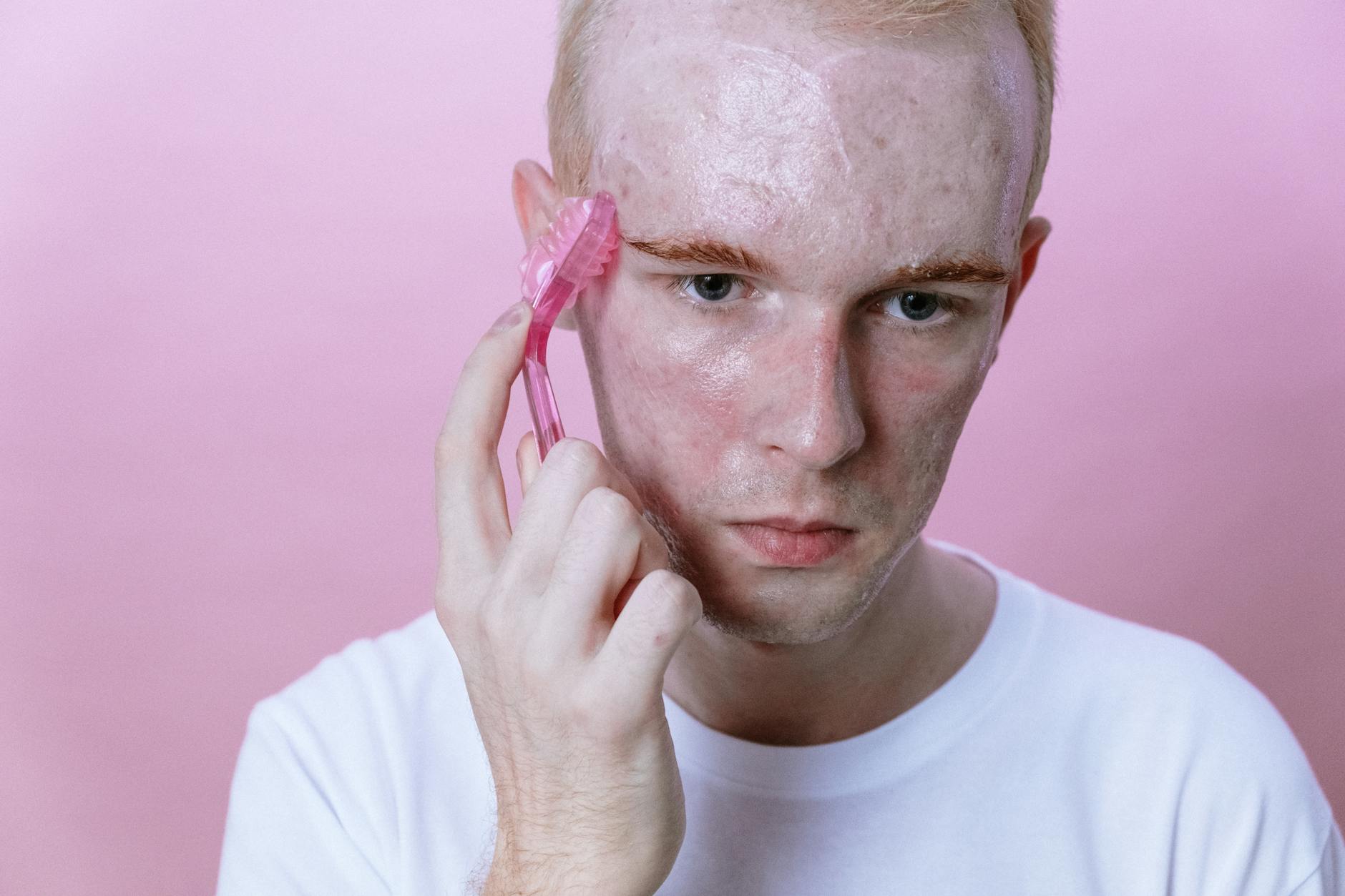
Yes, stress directly increases sebum production through a well-documented hormonal mechanism involving cortisol. When teenagers experience stress—whether from academic pressure, social anxiety, or major life changes—their bodies release cortisol, a stress hormone that signals oil-producing sebaceous glands to enlarge and produce more sebum. This isn’t a coincidental pattern parents notice; it’s a physiological response that has been confirmed in dermatological research over the past decade. What makes this particularly challenging is that the sebum produced during stress has an altered composition that is more inflammatory and prone to clogging pores, creating an ideal environment for acne-causing bacteria to thrive.
The timing of stress-related acne typically creates a frustrating delay that confuses both teens and parents trying to identify triggers. Acne lesions usually appear 1 to 3 weeks after high-stress periods, meaning a teen experiencing stress during exam season might not see breakouts until well into their recovery period. This lag time makes the stress-acne connection easy to miss, causing families to blame other factors like diet or hygiene when the real culprit is a hormonal response happening beneath the skin’s surface. Understanding this mechanism is the first step toward managing stress-related acne more effectively, since it explains why traditional topical treatments alone may not resolve the problem during stressful periods.
Table of Contents
- How Does Stress Trigger Sebum Overproduction in Teenage Skin?
- The Inflammatory Nature of Stress-Related Sebum Production
- How Stress Increases Skin Sensitivity to Acne-Causing Bacteria
- Managing Acne During High-Stress Periods: What Actually Works
- Why Stress-Related Acne Heals More Slowly Than Other Acne
- What Parents Report About Teen Acne and Stress
- The Future of Stress-Related Acne Management and Research
- Conclusion
How Does Stress Trigger Sebum Overproduction in Teenage Skin?
When a teenager faces stress—whether it’s pressure from schoolwork, social challenges, or major life transitions—their adrenal glands release cortisol, the primary stress hormone. Cortisol travels through the bloodstream and binds to receptors on sebaceous glands, signaling them to increase oil production. This is a normal biological response meant to help the body cope with stress, but in the context of skin health, it creates a significant problem. The sebaceous glands enlarge during stress, producing not just more sebum, but a chemically different version that’s more prone to oxidation and inflammation inside pores. The mechanism doesn’t stop at simple overproduction.
Cortisol-induced sebum has an altered lipid composition that makes it stickier and more likely to trap bacteria and dead skin cells inside pores. Consider the difference between someone with naturally oily skin (which is often stable and manageable) versus a teen whose skin becomes suddenly oily due to stress—the latter often experiences more congestion, inflammation, and cystic lesions because the sebum itself is biochemically different. This is why a teenager might suddenly develop severe acne during stressful periods, even if they’ve maintained the same skincare routine and diet they’ve always used. Research from 2025 confirms that this cortisol-sebum link is direct and measurable, not merely correlational. The stress response doesn’t require a teenager to be consciously anxious or visibly stressed; even moderate stress from competing priorities, upcoming deadlines, or social situations triggers cortisol release and subsequent sebum changes. This explains why acne often worsens during specific predictable times like exam seasons or the start of a new school year.

The Inflammatory Nature of Stress-Related Sebum Production
One critical distinction between baseline sebum production and stress-triggered sebum production is the inflammatory profile of the oil itself. During stress, cortisol doesn’t just increase the volume of sebum—it changes the fatty acid composition of that sebum, making it more oxidized and inflammatory. Oxidized sebum irritates the follicle lining and the surrounding skin, which can trigger or worsen existing acne lesions. This is a limitation of many conventional acne treatments, which focus on controlling bacterial overgrowth or exfoliating dead skin but don’t address the underlying inflammatory changes in sebum composition.
The challenge this presents is that topical retinoids, salicylic acid, and even antibiotics may have reduced effectiveness during high-stress periods because they’re working against an altered biochemical environment. A teenager using the same treatment protocol that worked fine during calm periods might find it less effective during stressful times, not because the medication stopped working, but because the skin’s conditions have fundamentally changed. This discrepancy can lead families to switch products unnecessarily or assume their teenager isn’t following their skincare routine properly, when the real issue is hormonal rather than behavioral. Additionally, stress-related sebum overproduction can persist for weeks even after the stress itself has passed, because cortisol levels remain elevated in the body during the recovery phase from intense stress. A teen might complete their final exams or resolve a social conflict, but their skin continues producing excess inflammatory sebum for 2 to 3 additional weeks, which is why stress-related acne breakouts sometimes feel uncontrollable and disproportionate to the triggering event.
How Stress Increases Skin Sensitivity to Acne-Causing Bacteria
Beyond increasing sebum production, stress hormones create a more hospitable environment for the bacteria that causes acne, Cutibacterium acnes (formerly Propionibacterium acnes). Research from Shiseido has discovered that cortisol increases the expression of Toll-like receptor 2 (TLR2) in epidermal cells, which are immune receptors that detect bacterial presence. When more TLR2 receptors are present on skin cells during stress, the skin becomes hypersensitive to C. acnes, triggering a stronger inflammatory response even with the same bacterial load present before the stress began. This means a teenager’s skin isn’t just producing more sebum during stress—it’s also becoming more reactive to the bacteria that naturally live on their skin.
The practical implication is that standard antibiotic treatments or benzoyl peroxide might be insufficient alone during high-stress periods because the skin’s immune response is amplified. A teen might use the same acne medication with success during calm times but see breakouts worsen during stress despite continued treatment compliance. The increased TLR2 receptor expression essentially puts the skin’s immune system on high alert, escalating mild inflammation into obvious acne lesions. This receptor upregulation persists as long as cortisol levels remain elevated, which is why stress-related acne tends to be more stubborn and severe than acne triggered by other factors. Additionally, this mechanism explains why some teens experience cystic acne specifically during stressful periods—the hyperactivated immune response in combination with excess sebum production can trigger deeper, more painful lesions rather than just surface-level comedones. Understanding this bacterial sensitivity component is important for realistic expectations about acne treatment during stressful times.
Managing Acne During High-Stress Periods: What Actually Works
Because stress-related acne involves both hormonal changes and immune system amplification, managing it effectively requires a different approach than treating acne caused by bacteria, diet, or poor hygiene alone. The most evidence-based strategy during high-stress periods is to maintain consistent skincare while simultaneously addressing the stress response itself. This might mean continuing a baseline acne treatment but potentially increasing the strength or frequency of anti-inflammatory ingredients like niacinamide, zinc, or low-concentration salicylic acid, rather than abandoning the regimen in frustration. The tradeoff with increasing acne treatment intensity during stress is that it can sensitize already-reactive skin, potentially causing irritation that compounds the problem. A more balanced approach for some teens is to maintain their existing treatment while adding stress-reduction practices that can lower cortisol levels.
Practices like consistent sleep (which directly reduces cortisol), regular physical activity, meditation, or simply structured rest periods have measurable effects on cortisol levels and can indirectly reduce stress-related acne severity. Some dermatologists recommend this two-pronged approach: continue topical acne treatments as usual, but prioritize cortisol reduction through lifestyle changes rather than attempting to overcome a cortisol-driven acne flare with increasingly harsh skin treatments. For severe stress-related acne during predictable high-stress periods, some teens and their dermatologists plan ahead by temporarily adjusting treatment protocols. For example, a teen who breaks out severely during exam season might implement a modified skincare routine starting 2 weeks before exams begin, potentially including more frequent gentle cleansing, increased use of oil-control products, or temporary use of a mild antibiotic or retinoid. This preventive approach capitalizes on the understanding that stress-related acne takes 1 to 3 weeks to manifest, offering a window for intervention.
Why Stress-Related Acne Heals More Slowly Than Other Acne
A critical limitation of acne management during stress is that not only does acne develop more readily, but it also heals significantly slower. Cortisol suppresses the immune system’s wound-healing capabilities, which means inflammatory acne lesions that might normally resolve in 1 to 2 weeks can take twice as long during stressed periods. This is partly because cortisol inhibits the production of growth factors and cytokines necessary for tissue repair, and partly because the ongoing elevated cortisol continues to fuel inflammation even as the body attempts to heal the lesion. This slower healing creates a compounding problem: if a teenager experiences acne breakouts during an extended stressful period—like a semester of difficult classes or a prolonged social situation—old lesions are still healing while new ones are forming due to continued cortisol-driven sebum production and immune hyperresponsiveness.
Parents often notice that their teen’s skin looks progressively worse throughout a stressful period, even if the frequency of new breakouts seems stable, because the accumulated healing time creates an ever-growing inventory of active lesions at different stages of inflammation. The warning here is important: attempting to aggressively treat or extract acne lesions during stressful periods when healing is already compromised can lead to permanent scarring. A lesion that would normally heal without a mark might leave a permanent indentation or discoloration if healing is delayed by weeks due to stress-related immune suppression. This is a strong argument for parents and teens to be particularly conservative with acne management during known high-stress periods, avoiding picks, extractions, or overly aggressive treatments.

What Parents Report About Teen Acne and Stress
While specific data on the exact percentage of parents who have noticed stress-related acne in their teenagers isn’t standardized across research, surveys consistently show that over 90% of parents with teens experiencing severe acne express concern about the psychological impact on their child. The emotional burden of acne during adolescence is significant, and when parents recognize that stress might be triggering or worsening their teen’s breakouts, it creates an additional layer of worry—anxiety about whether their teen is under too much pressure, combined with frustration about finding effective treatments.
Many parents report trying multiple approaches to address their teen’s acne, from over-the-counter products to prescription medications to dermatological procedures, often cycling through these interventions when acne flares predictably during stressful times. Some parents implement what might be called “lifestyle modifications” alongside medical treatments—encouraging their teens to spend more time outdoors, ensuring consistent sleep schedules, or reducing academic pressure during high-stress periods—based on intuitive understanding that stress makes acne worse, even before learning the cortisol mechanism.
The Future of Stress-Related Acne Management and Research
As understanding of the stress-cortisol-acne connection deepens, dermatological treatment protocols are beginning to account for cortisol’s role more explicitly. Rather than treating stress-related acne as simply a more severe manifestation of typical acne, some dermatologists now recognize it as a distinct category requiring different management strategies.
Research into cortisol-reducing medications and interventions, particularly for teens with acne that flares predictably during stress, may eventually offer more targeted pharmaceutical options beyond current topical and systemic acne treatments. The emerging perspective in dermatology is that managing acne effectively in teenagers requires acknowledging the complex interplay between hormones, immune function, bacterial sensitivity, and psychological stress. This holistic understanding may eventually lead to treatment protocols that integrate stress management, skincare, and medical interventions more intentionally, rather than treating acne management and stress management as separate concerns.
Conclusion
The connection between stress and acne is not a perception or myth—it’s a direct physiological mechanism where cortisol hormones increase sebum production, alter its inflammatory composition, and simultaneously increase skin sensitivity to acne-causing bacteria. This explains why teenagers often experience sudden, severe acne breakouts during predictable high-stress periods like exam seasons, and why the same acne treatment that works during calm periods may be less effective during stressful times.
The 1 to 3-week delay between stress onset and acne appearance can make this connection difficult to identify, but understanding the mechanism helps parents and teens manage expectations and choose more effective treatment strategies. Moving forward, the most evidence-based approach to stress-related acne involves maintaining consistent skincare and acne treatment while simultaneously prioritizing stress reduction through sleep, physical activity, and other cortisol-lowering practices. For parents of teens with acne, recognizing when their teen’s breakouts correlate with stressful life periods offers an opportunity to address both the skin symptoms and the underlying hormonal drivers simultaneously, potentially preventing the kind of severe, slow-healing breakouts that leave permanent marks.
You Might Also Like
- At Least 23% of Military Personnel With Acne Have Tried Stress Directly Increases Sebum Production Through Cortisol
- At Least 60% of New Mothers With Postpartum Acne Don’t Realize That Stress Directly Increases Sebum Production Through Cortisol
- At Least 88% of Adults Over 25 With Acne Have Never Been Told That Tretinoin Increases Collagen Production and Actually Thickens Skin Over Time