
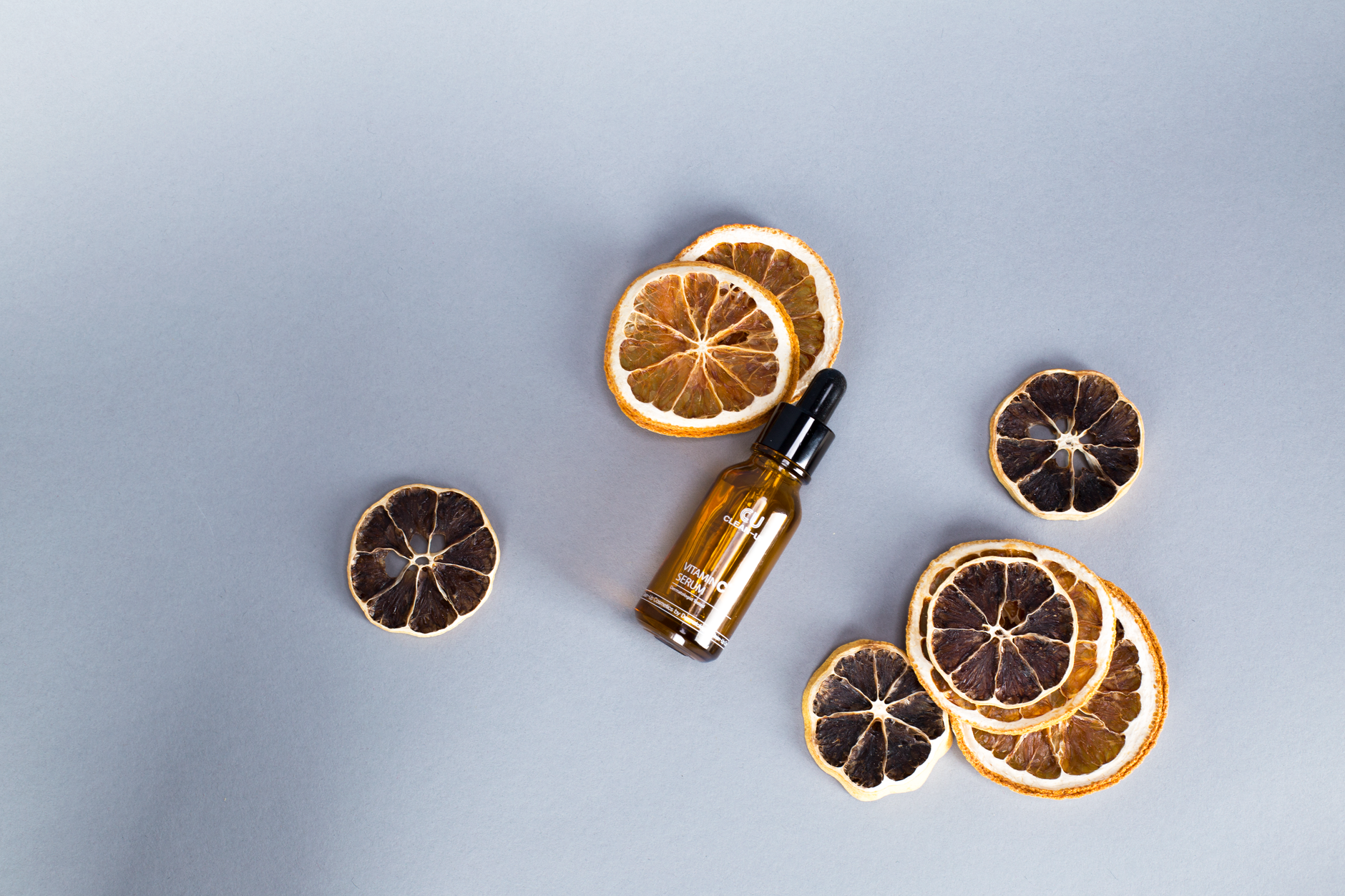
Antioxidant serum after fractional CO2 speeds surface healing but does not erase icepick acne scars. People with mainly icepick scars should read the 2026 headline as aftercare news, not proof of scar removal. Icepick scars are deep, narrow, V-shaped pits that extend sharply into skin. Fractional CO2 is an ablative laser that creates tiny treatment columns to trigger repair, while the tested aftercare was a vitamin C plus E plus ferulic acid serum.
Medical information disclaimer: This article is for general educational purposes only and does not provide medical advice, diagnosis, or treatment. Always consult a physician or other qualified health professional about symptoms, medications, tests, or treatment decisions.
Table of Contents
- What did the new serum trial actually test?
- Why do icepick scars respond less to laser alone?
- What does faster healing look like after treatment?
- How should you act if your scars are mainly icepicks?
What did the new serum trial actually test?
A 64-patient randomized investigator-blinded split-face trial in Chinese adults aged 18-50 with moderate-to-severe atrophic acne scars compared CE Ferulic with normal saline for 14 days after ablative fractional CO2, and found better wound healing, lower redness and melanin, and preserved skin barrier, according to the Journal of Cosmetic Dermatology report in the PubMed Central trial record. The design tested healing of laser-treated skin, not one scar shape alone.
The practical signal was faster surface recovery. Complete scab detachment at Day 7 was significantly higher on the antioxidant-treated side than the saline side, as summarized by HCPLive in the January 2026 trial summary. That points to quicker crust clearance rather than a cure for deep narrow pits.
Why do icepick scars respond less to laser alone?
A 121-patient retrospective study of fractional CO2 for atrophic acne scars found rolling scars responded significantly better than icepick scars, with an odds ratio of 7.3, according to the authors in the PubMed study record. Higher energy improved response but raised the risk of persistent redness and pigmentation. For a reader with mostly icepicks, that tradeoff matters more than the average before-and-after photo.
Morphology-driven care treats deep narrow icepicks first with scar-specific procedures. Focal TCA CROSS and punch excision, elevation, or grafting are first-line for these scars, with fractional laser used later as staged resurfacing, according to Apollo Hospitals citing IADVL SIG Acne guidance in the punch-excision procedure guide. Laser can still have a role, but it is usually not the opening move.
- Rolling scar pattern: more likely to improve with fractional CO2 alone
- Icepick pattern: narrow shaft, less laser-responsive, often needs TCA CROSS or punch method first
- Mixed pattern: map each scar, then stage procedures by shape
What does faster healing look like after treatment?
An earlier 15-patient U.S. double-blinded split-face trial in adults 30-55 treated for photodamage applied C-plus-E-plus-ferulic serum versus vehicle within 2 minutes after fractional ablative CO2. Lasers in Surgery and Medicine reported less redness on days 3 and 5 and less swelling on day 7. That matches the newer finding: comfort and early appearance improve.
Safety data remain narrow. A retrospective chart review in PRIME reported no associated complications when the serum was applied immediately after fractional ablative CO2. The same authors warned the result does not extend to longer courses or other cosmeceutical formulas. Do not swap in another vitamin C product and assume equal tolerance.
How should you act if your scars are mainly icepicks?
Ask for a scar-type map before booking laser. A clinician should identify which pits are icepick, rolling, or mixed under bright angled light. If most pits are deep and narrow, ask whether TCA CROSS or a punch procedure should come before resurfacing.
Use the aftercare evidence to set expectations, not to select a clinic by serum alone. Postoperative guides describe transient redness and scale-crust, with pigmentation changes and months-long redness in some patients. They emphasize moisturizer, strict mineral sunscreen, and not picking treated skin. Bring close-up photos in the same light to your visit and ask the clinician to label each icepick pit, because that label changes the first procedure offered.
- Ask: which of my scars are icepick and what is first-line for that shape
- Ask: would higher laser energy raise my risk of lasting redness or dark marks
- Ask: what exact serum, timing, and duration does the clinic use after CO2
- Do: keep treated skin moist, protect with mineral sunscreen, and leave crusts alone
You Might Also Like
- Antioxidant Serum After Fractional CO2 Acne Scar Treatment in 2026: Cost, Sessions, and Downtime Questions for People With Icepick Acne Scars
- Vitamin C, Vitamin E, and Ferulic Acid After Acne Scar Laser in 2026: How People With Icepick Acne Scars Can Avoid Overreading the Headline
- The 33-Patient RF Microneedling vs CO2 Acne Scar Trial in 2026: How People With Atrophic Acne Scars Can Avoid Overreading the Headline