
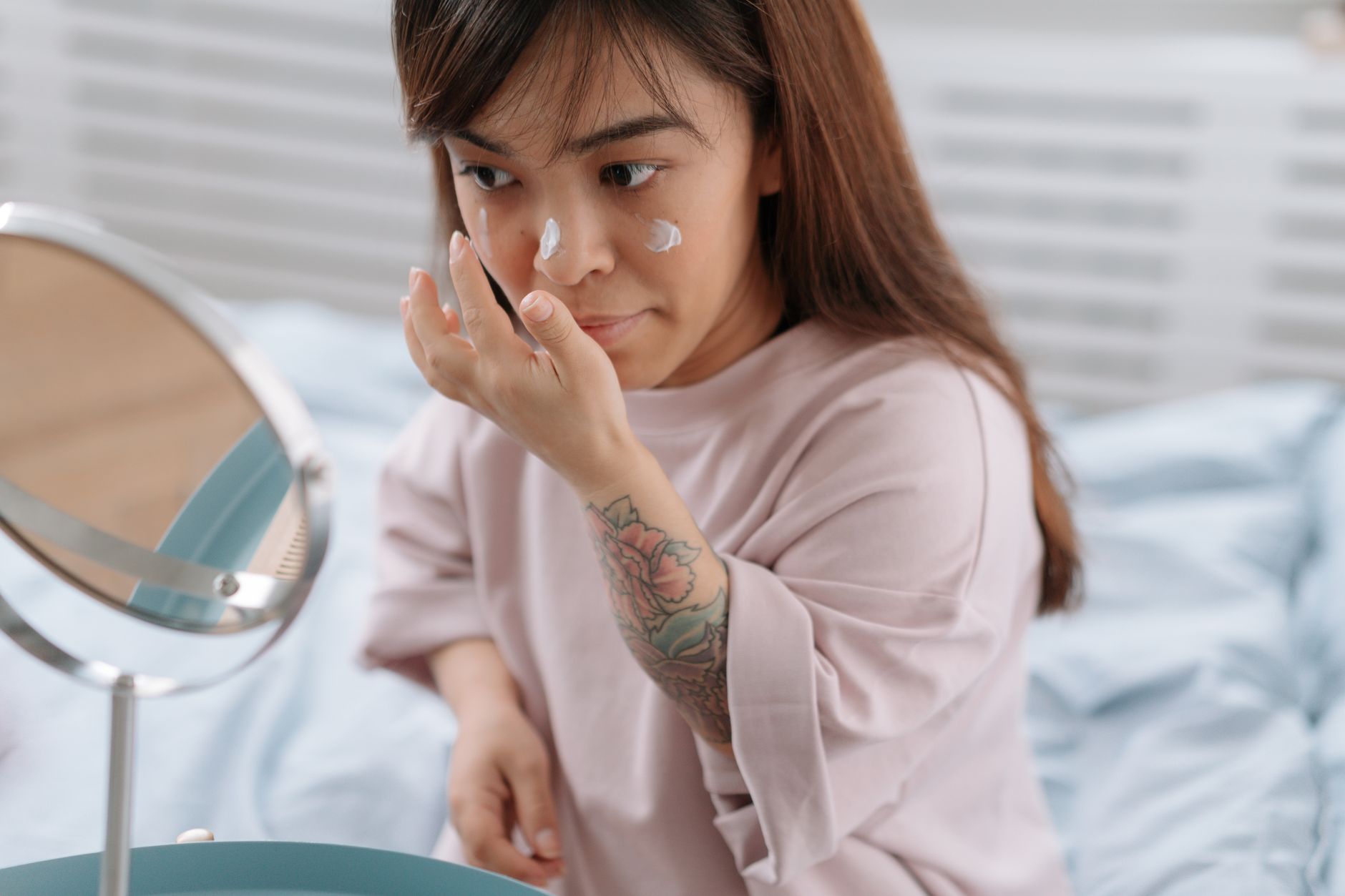
Antiandrogens — drugs that block male-type hormones that raise oil production — were reviewed in June 2026 for persistent acne in adult women. The review studied spironolactone and metformin in 1,335 women, but found no eligible studies of bicalutamide and did not cover men. The review included 13 articles, with 4 on spironolactone and 9 on metformin, according to the Actas Dermo-Sifiliograficas review systematic review analysis. Both drugs reduced lesions with good safety, but the authors called for more controlled trials against each other and placebo.
Medical information disclaimer: This article is for general educational purposes only and does not provide medical advice, diagnosis, or treatment. Always consult a physician or other qualified health professional about symptoms, medications, tests, or treatment decisions.
Table of Contents
- What did the 2026 review test?
- Which women were studied?
- Who was not studied?
- What if oral antiandrogens are off-limits?
What did the 2026 review test?
The review screened antiandrogens for adult female acne and focused on two oral drugs. Spironolactone blocks androgen signals in skin. Metformin improves peripheral insulin sensitivity, which can help insulin-resistance-related acne.
The strongest head-to-head result came from the FASCE trial in 133 adult women with moderate acne. Spironolactone 150 mg daily for 6 months beat doxycycline 100 mg daily on treatment success, with an odds ratio of 2.87 and p=0.007, as reported in the Inserm/HAL archive of the British Journal of Dermatology study trial record. Across different rating scales, both spironolactone and metformin lowered lesion counts with good tolerability. The review still judged the evidence incomplete without larger randomized comparisons.
Which women were studied?
Studied patients were adult women with persistent moderate acne. Many had premenstrual flares or hyperandrogenic features such as PCOS, according to Skin Therapy Letter clinical overview.
Metformin was evaluated mainly for acne linked to insulin resistance. Spironolactone was evaluated more broadly for hormonal-pattern persistent acne in adult women. That pattern helps explain who may be offered these drugs first.
Who was not studied?
Adult men were not studied for oral spironolactone for acne. Its antiandrogen effects can cause feminization, so Brigham acne expert John Barbieri states it can really only be used in women. Pregnant patients were excluded because spironolactone is contraindicated in pregnancy.
Patients with hyperkalemia, renal insufficiency, or unevaluated uterine bleeding were also excluded. Off-label acne doses range from 50 to 200 mg daily, with FDA warnings for potassium rise and kidney problems. Bicalutamide had no eligible acne studies in the 2026 review. Its benefit and tolerability for adult female acne remain unproven.
- not studied: adult men, pregnant patients, and children under adult care
- excluded for safety: high potassium, kidney disease, or unexplained uterine bleeding
- unproven: bicalutamide for adult female acne
What if oral antiandrogens are off-limits?
Topical clascoterone 1% cream offers a non-oral antiandrogen option. The FDA approved it Aug. 27, 2020 for acne vulgaris in male and female patients age 12 and older.
U.S. dermatology guidance gives only a conditional recommendation for combined oral contraceptives and spironolactone for hormonal acne. Use requires case-by-case contraception planning and potassium monitoring, especially in older women. Ask your dermatologist about pregnancy plans and potassium checks before starting.
You Might Also Like
- Topical Hormonal Acne Treatments in a 2026 Review: Who Was Studied and Who Was Not for Adults With Persistent Acne
- Limited Topical Spironolactone Evidence in the 2026 Review: Who Was Studied and Who Was Not for Adults With Persistent Acne
- Topical Clascoterone Evidence Revisited in 2026: Who Was Studied and Who Was Not for Adults With Persistent Acne