
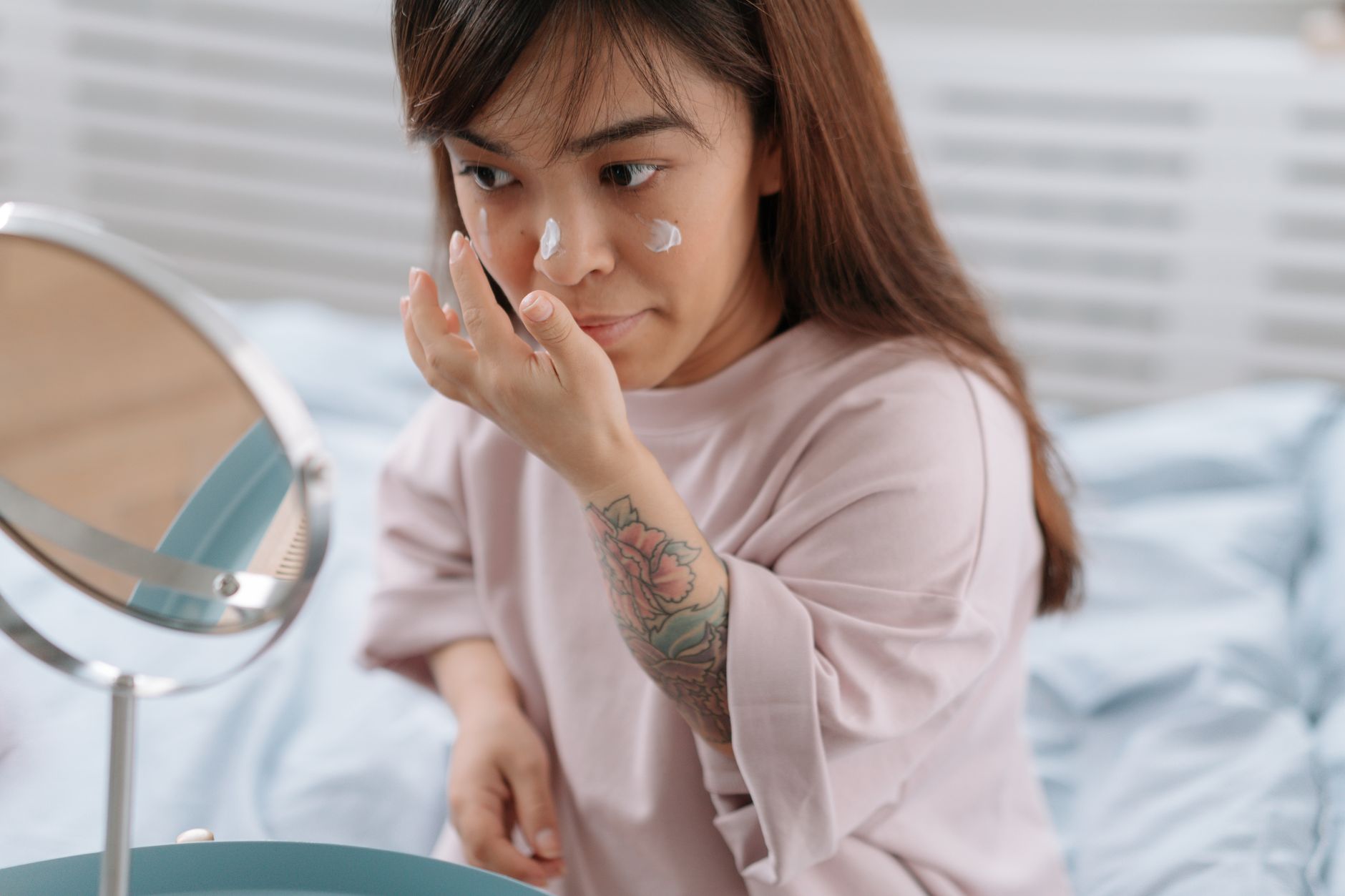
Adult female acne antiandrogen treatments are combined oral contraceptives, oral spironolactone, and topical clascoterone. For teens with inflammatory acne, the safety questions are when oral spironolactone fits and what monitoring spironolactone and clascoterone need. An antiandrogen blocks androgen signals that raise skin oil and clog pores. Oil, bacteria, and inflammation then form red, tender pimples and nodules.
Medical information disclaimer: This article is for general educational purposes only and does not provide medical advice, diagnosis, or treatment. Always consult a physician or other qualified health professional about symptoms, medications, tests, or treatment decisions.
Table of Contents
- What are the antiandrogen options?
- Why is oral spironolactone limited for routine teen acne?
- Does spironolactone need blood tests and pregnancy prevention?
- What should teens know about topical clascoterone?
What are the antiandrogen options?
The American Academy of Dermatology gives hormonal therapies a conditional recommendation for acne. The group includes combined oral contraceptives and spironolactone, plus topical clascoterone, while benzoyl peroxide, retinoids, and isotretinoin for severe acne hold strong recommendations, according to the updated AAD guideline news page.
A 2025 dermatology review calls spironolactone effective for women's acne and clascoterone a safe topical antiandrogen with limited effects on reproductive hormones. That split matters for teens. One acts through the whole body, and the other acts mainly on skin.
Why is oral spironolactone limited for routine teen acne?
For teens, oral spironolactone is generally reserved for select females. The group includes those who did not improve on standard care, cannot take standard drugs, show signs of excess androgens, or have late-onset or lasting acne past the teen years.
That narrow role limits its use for routine adolescent inflammatory acne. A teen with new red bumps and pustules usually starts with retinoids, benzoyl peroxide, or other standard care. Spironolactone enters later or for a distinct hormone pattern.
Does spironolactone need blood tests and pregnancy prevention?
Routine potassium checks are generally unnecessary for healthy patients taking spironolactone. Testing should be considered with hyperkalemia risk factors such as older age, kidney disease, or interacting drugs, according to Cutis summarizing the AAD guidance in the practical spironolactone strategies review.
Spironolactone is used off-label for acne and carries FDA pregnancy Category C labeling. Animal studies showed feminization of male fetuses and endocrine changes, so pregnancy avoidance and contraceptive counseling are required during use. Ask the prescriber about these checks before starting:.
- kidney problems, high potassium history, or heart or blood-pressure drugs
- plans for pregnancy, birth-control use, and what to do after a missed dose
- signs that need prompt care, such as very low urination, muscle weakness, or irregular pulse
What should teens know about topical clascoterone?
Winlevi, clascoterone cream 1%, is an androgen-receptor inhibitor approved by the FDA for acne vulgaris in patients 12 years and older, according to the FDA approval notice. That age labeling makes it the topical antiandrogen option with a teen indication.
The FDA Winlevi label reports HPA-axis suppression in 2 of 22 adolescent subjects, or 9%, with normal function returning 4 weeks after stopping, and warns children may face higher risk of systemic effects, according to the DailyMed Winlevi label. Health Canada found a similar pattern after 2 weeks of maximum-use dosing, with asymptomatic suppression in 5% of adults and 9% of adolescents and pediatric subjects. Use the smallest area and shortest course the prescriber orders, and report lasting stretch marks, very slow wound healing, unusual fatigue, or signs of local irritation.
You Might Also Like
- Adult Female Acne Antiandrogen Treatments in a 2026 Review: Questions Teens With Inflammatory Acne Can Ask a Dermatologist
- Topical Hormonal Acne Treatments in a 2026 Review: Safety and Monitoring Questions for Teens With Inflammatory Acne
- Limited Topical Spironolactone Evidence in the 2026 Review: Safety and Monitoring Questions for Teens With Inflammatory Acne