
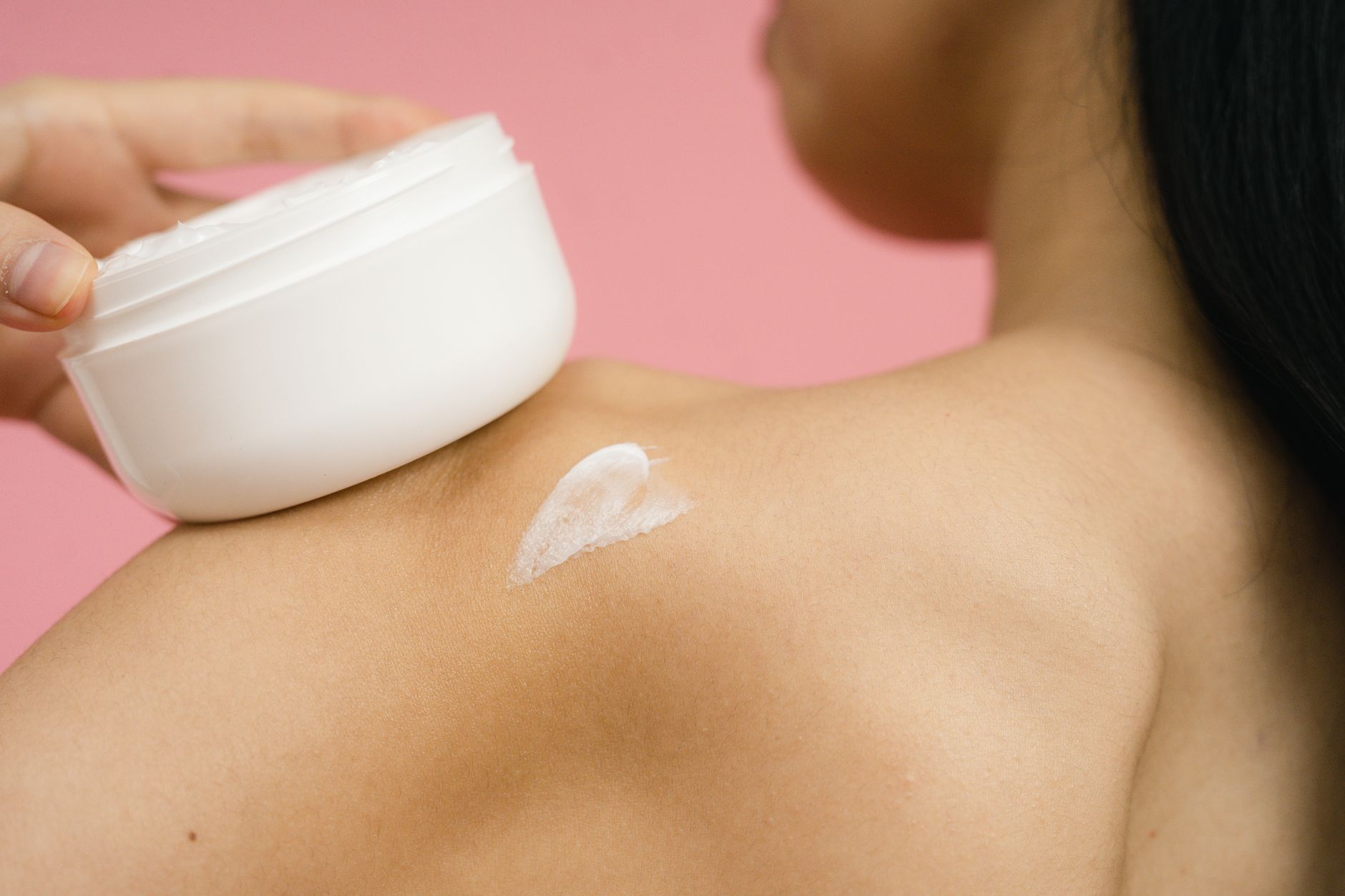
Topical clascoterone 1% cream remains an FDA-indicated option in 2026 for teens ages 12 and older with inflammatory acne, with modest lesion reduction and mainly local skin effects plus a small hormone-system signal that needs monitoring. Clascoterone is an androgen-receptor inhibitor, meaning it blocks male-hormone signals in skin that drive oil production and breakouts. Teens apply it as a thin layer twice daily, morning and evening. Evidence shows lower inflammatory counts than vehicle at 12 weeks, with effects sustained during longer use, but success rates are modest and families should plan skin checks and follow-up.
Medical information disclaimer: This article is for general educational purposes only and does not provide medical advice, diagnosis, or treatment. Always consult a physician or other qualified health professional about symptoms, medications, tests, or treatment decisions.
Table of Contents
- How do teens use the cream?
- How much clearing can families expect?
- What safety signals need monitoring?
- What should families ask the dermatologist?
How do teens use the cream?
The National Library of Medicine DailyMed label states Winlevi is indicated for acne vulgaris in patients 12 and older, applied as a thin layer twice daily morning and evening National Library of Medicine DailyMed label. It targets facial acne with red, tender pimples and deeper inflamed bumps. Treatment runs for weeks before change is clear.
Practical use means clean hands, gentle cleansing, then a thin film to acne-prone areas. The product label directs users to avoid eyes, mouth, and mucous membranes. Skipping thick layering reduces irritation without improving speed.
- Wash and pat skin dry before each dose
- Apply a thin film morning and evening
- Keep cream away from eyes, mouth, and lips
- Ask the prescriber before combining with other drying products
How much clearing can families expect?
Two identical 12-week Phase 3 trials in 1,440 patients ages 9 and older with moderate-to-severe facial acne found twice-daily clascoterone improved treatment success and lowered inflammatory and noninflammatory lesions versus vehicle, according to the JAMA Dermatology trial report JAMA Dermatology trial report. Inflammatory lesions are red papules and pustules. Noninflammatory lesions are blackheads and whiteheads. A pooled analysis of patients ages 12 and older reported week-12 success in 19.9% versus 7.7% for vehicle.
Inflammatory lesions fell by 19.7 versus 14.0, and total lesions by 40.0 versus 26.1. A 2025 narrative review found reductions persisted to 12 months, with similar safety in adolescents and adults. That means many teens improve without reaching full clearance. Families should judge progress by fewer painful bumps, easier healing, and less new breakout activity. Photos every two to four weeks help track slow change.
What safety signals need monitoring?
A 9-month extension found treatment-emergent events in about 18% of patients, mostly mild nose and throat irritation plus local redness and scaling or dryness. No serious systemic antiandrogen effects were reported. Most problems stayed at the application site. FDA labeling reports HPA-axis suppression at Day 14 in 1 of 20 adults and 2 of 22 adolescents, measured by low cortisol after stimulation testing.
The HPA axis controls natural steroid hormone response to stress. All affected subjects returned to normal four weeks after stopping treatment. The label directs clinicians to attempt withdrawal if HPA suppression develops. It also advises stopping or reducing frequency if itching, burning, redness, or peeling occurs.
- New rash, burning, intense redness, or peeling where applied
- Unusual fatigue, weakness, nausea, or dizziness during illness or stress
- No improvement after 12 weeks or worsening acne
- Signs of allergy such as swelling or severe irritation
What should families ask the dermatologist?
The 2024 American Academy of Dermatology acne guidelines conditionally recommend topical clascoterone based on high-level trial evidence. The choice should reflect individual factors such as acne severity, prior treatments, skin sensitivity, and preferences. Teens with mainly inflammatory breakouts are the closest match. Ask about visit timing, what improvement looks like, and when to call about irritation.
Bring a list of current cleansers, retinoids, benzoyl peroxide, and moisturizers. Ask whether to pause or space other irritating products during the first weeks. Cost deserves direct discussion because the guidelines note high price may limit equitable access. Ask about insurance coverage, prior authorization, pharmacy price, and lower-cost alternatives if cost blocks consistent use. Do not stretch a thin supply by using less than prescribed without medical advice.
You Might Also Like
- Topical Clascoterone Evidence Revisited in 2026: Questions Teens With Inflammatory Acne Can Ask a Dermatologist
- Topical Hormonal Acne Treatments in a 2026 Review: Safety and Monitoring Questions for Teens With Inflammatory Acne
- Limited Topical Spironolactone Evidence in the 2026 Review: Questions Teens With Inflammatory Acne Can Ask a Dermatologist