
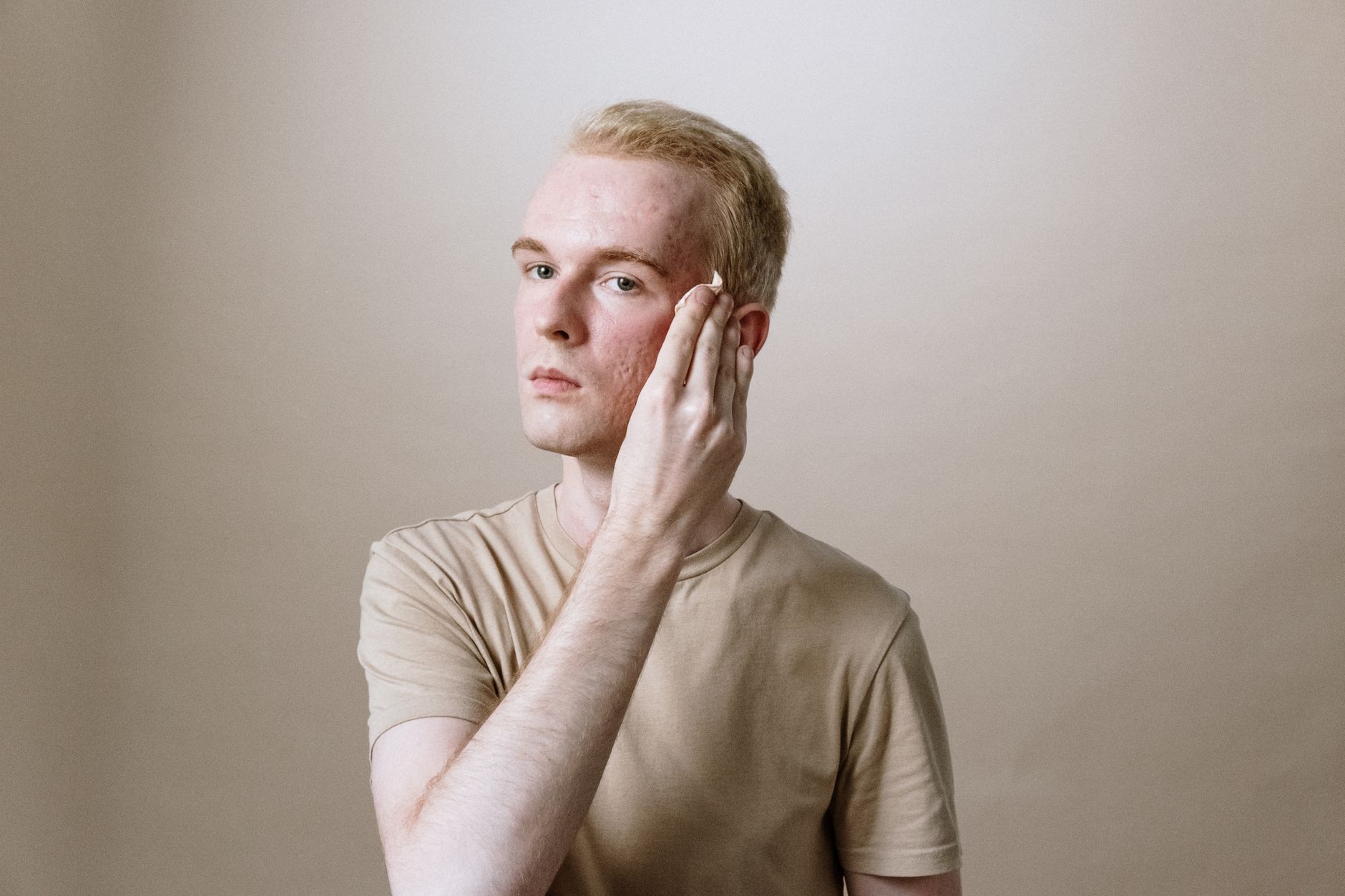
The acne microbiome is the community of bacteria living on the skin and in hair follicles. Acne does not mean someone caught a bacterial infection; it reflects several interacting changes, including oil production, clogged follicles, inflammation, and shifts among bacterial strains. One common bacterium, *Cutibacterium acnes*, lives on healthy and acne-prone skin. Current evidence suggests that the balance and behavior of particular strains matter more than simply having the bacterium.
Medical information disclaimer: This article is for general educational purposes only and does not provide medical advice, diagnosis, or treatment. Always consult a physician or other qualified health professional about symptoms, medications, tests, or treatment decisions.
Table of Contents
- Why a normal bacterium can be linked to acne
- What else contributes to acne?
- How puberty may change the picture
- Does acne treatment need to "balance" the microbiome?
- What patients and families can do now
Why a normal bacterium can be linked to acne
That distinction matters. Eliminating every *C. acnes* bacterium is neither a realistic explanation of acne care nor the goal suggested by microbiome research.
The more useful question is which strains are present and how they interact with the follicle, immune system, and neighboring microbes. A small 2025 observational study illustrates this point. Strains labeled A, C, and F were relatively more common among 14 people with moderate-to-severe acne, while H, K, and L were higher among 15 healthy controls. Because the study was small and observational, it shows an association rather than proving that those strains caused or prevented acne.
- C. acnes* is a dominant member of the normal skin microbiome. A 2013 study in the Journal of Investigative Dermatology found similar overall amounts in 49 acne patients and 52 controls, but different strain patterns between the groups in its analysis of the acne microbiome.
What else contributes to acne?
The microbiome is one part of a larger process. Increased sebum, abnormal shedding that blocks follicles, inflammatory signaling, and microbial imbalance can all contribute. The 2025 EuroGuiDerm guideline specifically describes a shift toward the more inflammatory *C. acnes* IA1 phylotype as one element of this multifactorial acne process.
This helps explain why two people can carry similar amounts of *C. acnes* yet have different skin. Their strain patterns, oil production, follicle blockage, and inflammatory responses may not be the same. It also explains why a product marketed only as "killing acne bacteria" gives an incomplete account. Bacteria matter, but they are not the sole cause or the only treatment target.
How puberty may change the picture
Puberty increases facial sebum and may help reshape the skin microbiome. In a pilot study of 48 children ages 7 to 17, microbial diversity changed from early to later Tanner stages alongside increasing facial sebum. The study was cross-sectional, meaning researchers compared participants at different developmental stages rather than following the same children over time.
It therefore cannot show that the microbiome changes caused acne. For families, the practical lesson is modest: changing skin biology during puberty may influence the microbial environment. It does not mean a child developed acne through poor hygiene, contamination, or contact with another person.
Does acne treatment need to "balance" the microbiome?
Acne treatments can change skin bacterial communities, but researchers do not yet know how consistently those changes predict improvement. A 2022 systematic review found only nine treatment studies involving 170 patients, with inconsistent findings and different sampling methods across the available evidence. That uncertainty should shape purchasing decisions. A microbiome claim does not establish that a cleanser, serum, supplement, or topical probiotic can clear acne.
Useful questions include: Laboratory findings are an important first step, not clinical proof. For example, certain resident *Staphylococcus epidermidis* strains suppressed acne-associated *C. acnes* strains in laboratory co-culture. That result supports further research, but it does not prove that probiotic skincare treats acne.
- Was the finished product tested in people with acne?
- Did the study measure visible acne improvement, or only bacterial changes?
- How many people participated?
- Was the product compared with established treatment?
- Does the company imply that all *C. acnes* bacteria are harmful?
What patients and families can do now
Microbiome research does not replace established acne care. The American Academy of Dermatology strongly recommends benzoyl peroxide, topical retinoids, appropriate antibiotics, and combination treatment in its updated acne guidance. Antibiotics require particular care. The guidance advises limiting their use and pairing them with benzoyl peroxide to reduce antibiotic resistance.
Patients should follow the prescribed plan rather than extending, stopping, or substituting an antibiotic based on microbiome marketing. Probiotics, bacteriotherapy, and phage treatments remain emerging approaches rather than proven stand-alone care. Interest in them is reasonable because antibiotic resistance and microbiome disruption are real concerns, but promising biology is not the same as demonstrated patient benefit. When considering a "microbiome-balancing" product, treat it as experimental unless there is direct evidence that the product improves acne. Do not use a bacterial-balance claim as a reason to delay or replace established treatment.