
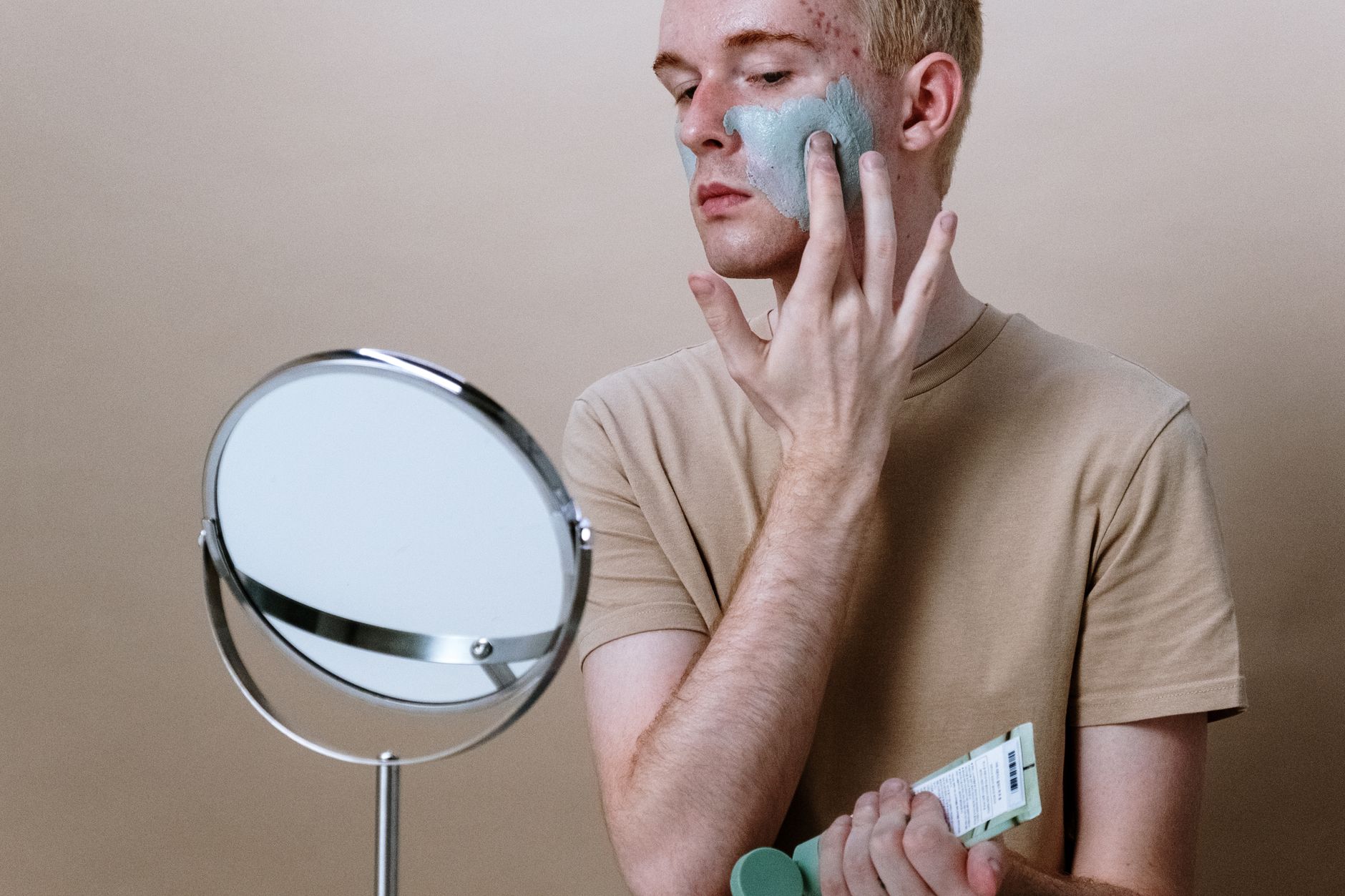
Yes. Poor sleep can worsen the inflammation that makes acne red, swollen, and painful. Inflammation means redness, swelling, and tenderness around a clogged pore.
Acne vulgaris is the common form with blackheads, pimples, and deeper tender bumps. Sleep loss and acne push each other. A 2025 comprehensive review from PubMed Central (NIH) describes a two-way link through hormones, systemic inflammation, and immune changes. Adolescents and adults with breakouts can both feel the effect.
Medical information disclaimer: This article is for general educational purposes only and does not provide medical advice, diagnosis, or treatment. Always consult a physician or other qualified health professional about symptoms, medications, tests, or treatment decisions.
Table of Contents
- How does lost sleep raise inflammation?
- Do people with acne sleep worse?
- Why do hormones and stress matter?
- What are the limits of the evidence?
- How can steadier sleep support clearer skin?
How does lost sleep raise inflammation?
Short sleep creates low-grade inflammation throughout the body. Human sleep-loss studies summarized by PMC show that 4-6 hours nightly for 8-10 days raises IL-6 and C-reactive protein the review of human sleep-loss studies. That type of inflammation can aggravate inflammatory diseases including acne.
Poor sleep also slows overnight skin repair. A 42-hour sleep-deprivation experiment in healthy women, published in the Journal of Investigative Dermatology, reduced skin-barrier recovery and raised plasma IL-1beta, TNF-alpha, and natural-killer-cell activity. Slower repair leaves irritated pores redder for longer.
Do people with acne sleep worse?
People with more severe acne often report worse sleep. In 40 adults, higher GAGS acne scores tracked with worse subjective sleep scores, even after accounting for quality of life and depressive symptoms, according to Schrom and colleagues in Clocks & Sleep the Clocks & Sleep study. The link held at p=0.0306.
College students show the same pattern. An MDPI Healthcare review reports 33.3% acne prevalence among Chinese college students, with poor sleep quality independently predicting acne vulgaris alongside stress. Itching, pain, worry about appearance, and late-night screen use can delay sleep onset.
Why do hormones and stress matter?
Disturbed sleep disrupts the normal nighttime drop in cortisol. An MDPI Healthcare cross-sectional review finds that elevated cortisol stimulates sebaceous glands to make excess sebum. Excess oil mixes with dead skin, clogs pores, and feeds breakouts.
Stress adds pressure from a second direction. The same student data link psychological stress to acne alongside poor sleep. The result is more oil, more clogging, and more tender inflammatory lesions on the face, chest, and back.
What are the limits of the evidence?
The pattern is consistent, but proof has gaps. A Dermatology Times summary of Schrom, Halioua, and Chaudhary studies notes most acne-sleep studies are small, cross-sectional, and self-reported. Some large adult-acne surveys found no link between acne severity and sleep.
That means sleep and acne move together without proving one causes the other. Acne discomfort can harm sleep, sleep loss can raise inflammation, and stress can worsen both. Readers should treat sleep as one likely trigger, not the sole cause.
How can steadier sleep support clearer skin?
Consistent sleep calms inflammation and aids overnight barrier repair. The broad evidence picture, described in a 2025 PubMed Central (NIH) review, connects adequate sleep with better hormonal balance and immune control the NIH comprehensive review.
Adults benefit most from a stable rhythm, not catch-up sleep on weekends. The National Sleep Foundation reaffirms 7-9 hours nightly for adults, noting that adequate regular sleep lowers CRP and supports skin repair the reaffirmed sleep-duration guidance. Practical steps include: Pick a fixed wake time and hold it for two weeks, then compare morning redness and new breakouts.
- keep the same bedtime and wake time every day
- protect 7-9 hours in bed for sleep
- wind down before bed to lower stress load
- track sleep nights against morning redness and new lesions for two weeks