
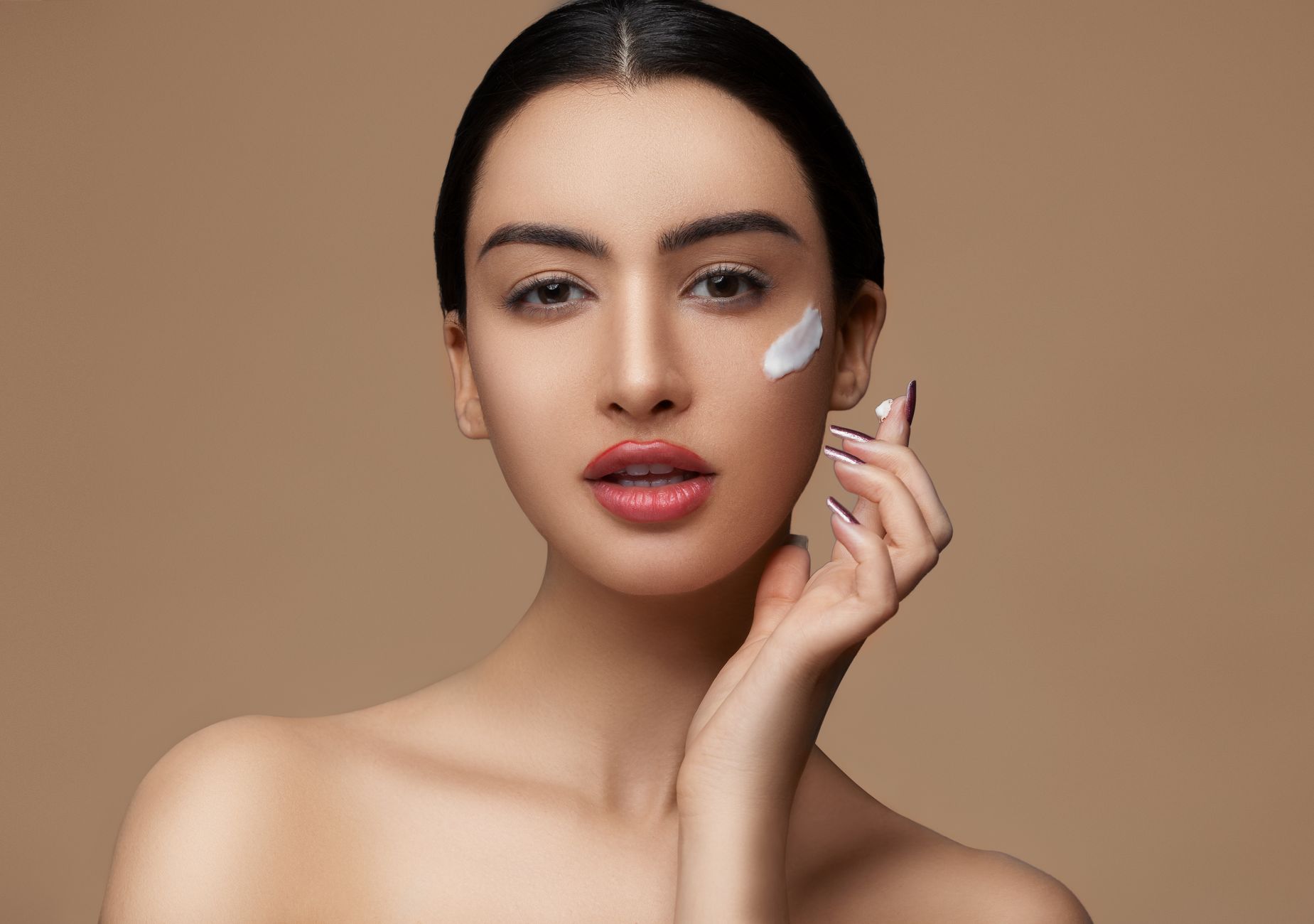
The best moisturizer for sensitive, acne-prone skin is a fragrance-free, oil-free, lightweight lotion or gel with ceramides, niacinamide, hyaluronic acid or glycerin. CeraVe PM Facial Moisturizing Lotion and Vanicream Enhanced Moisturizer match that profile for face use.
Non-comedogenic means the formula is designed not to clog pores. Sensitive, acne-prone skin reacts easily to fragrance and heavy oils yet still needs barrier support during treatment. The right lotion hydrates without adding shine or new breakouts.
Medical information disclaimer: This article is for general educational purposes only and does not provide medical advice, diagnosis, or treatment. Always consult a physician or other qualified health professional about symptoms, medications, tests, or treatment decisions.
Table of Contents
- Why drying treatments need daily moisture
- What should you look for on the label?
- What does the ceramide evidence show?
- Which lightweight options fit the criteria?
- What should you skip or patch-test?
Why drying treatments need daily moisture
Acne medicines dry and irritate skin. Benzoyl peroxide, salicylic acid, retinoids and isotretinoin pull moisture from the barrier. The American Academy of Dermatology advises daily moisturizer for people using these drying treatments, as explained in the Academy's moisturizer guidance.
Daily use counters dryness, tightness and irritation. It keeps the barrier comfortable while treatment continues. Skipping moisturizer often makes flaking and stinging worse.
What should you look for on the label?
The same Academy tells acne-prone users to choose products labeled oil-free, non-comedogenic or won't clog pores to lower the chance of new breakouts. Lightweight lotion or gel textures suit sensitive, oily or combination skin better than heavy creams.
A Medical News Today ingredient review points to fragrance-free formulas with ceramides, niacinamide, hyaluronic acid or glycerin. Look for these traits when you compare options:.
- fragrance-free and lightweight lotion or gel
- labeled oil-free and non-comedogenic
- ceramides, niacinamide, hyaluronic acid or glycerin for barrier moisture
What does the ceramide evidence show?
An 8-week split-face randomized trial in 40 adults with mild-to-moderate acne tested a ceramide-plus-niacinamide moisturizer against hydrophilic cream. Practical Dermatology, reporting Tempark et al., found the ceramide-niacinamide side significantly reduced non-inflammatory, inflammatory and total lesions, as described in the trial report.
The result supports barrier-supporting moisturizer alongside topical acne treatment. It does not prove every ceramide product works the same way. Formula, concentration and consistent use still matter.
Which lightweight options fit the criteria?
CeraVe states its PM Facial Moisturizing Lotion is oil-free, non-comedogenic and fragrance-free, with three ceramides, niacinamide, hyaluronic acid and MVE technology for barrier support, according to the CeraVe product page. The lotion texture works for evening face use.
Vanicream states its Enhanced Moisturizer is a lightweight face-and-body lotion with hyaluronic acid, five ceramides and glycerin, designed for sensitive skin and barrier moisture retention. Both options avoid added fragrance. Choose the texture and size that fits face-only or face-and-body use.
What should you skip or patch-test?
Avoid heavy cocoa butter, coconut oil and lanolin-type occlusives. The same Medical News Today review flags them as more likely to clog pores in acne-prone users.
Do not rely on hypoallergenic alone. The FDA states there are no federal standards or definitions governing hypoallergenic cosmetic claims, so such labels mean whatever the company intends, as noted in the FDA labeling statement. Patch-test a new moisturizer along the jawline for several days before full-face use.