
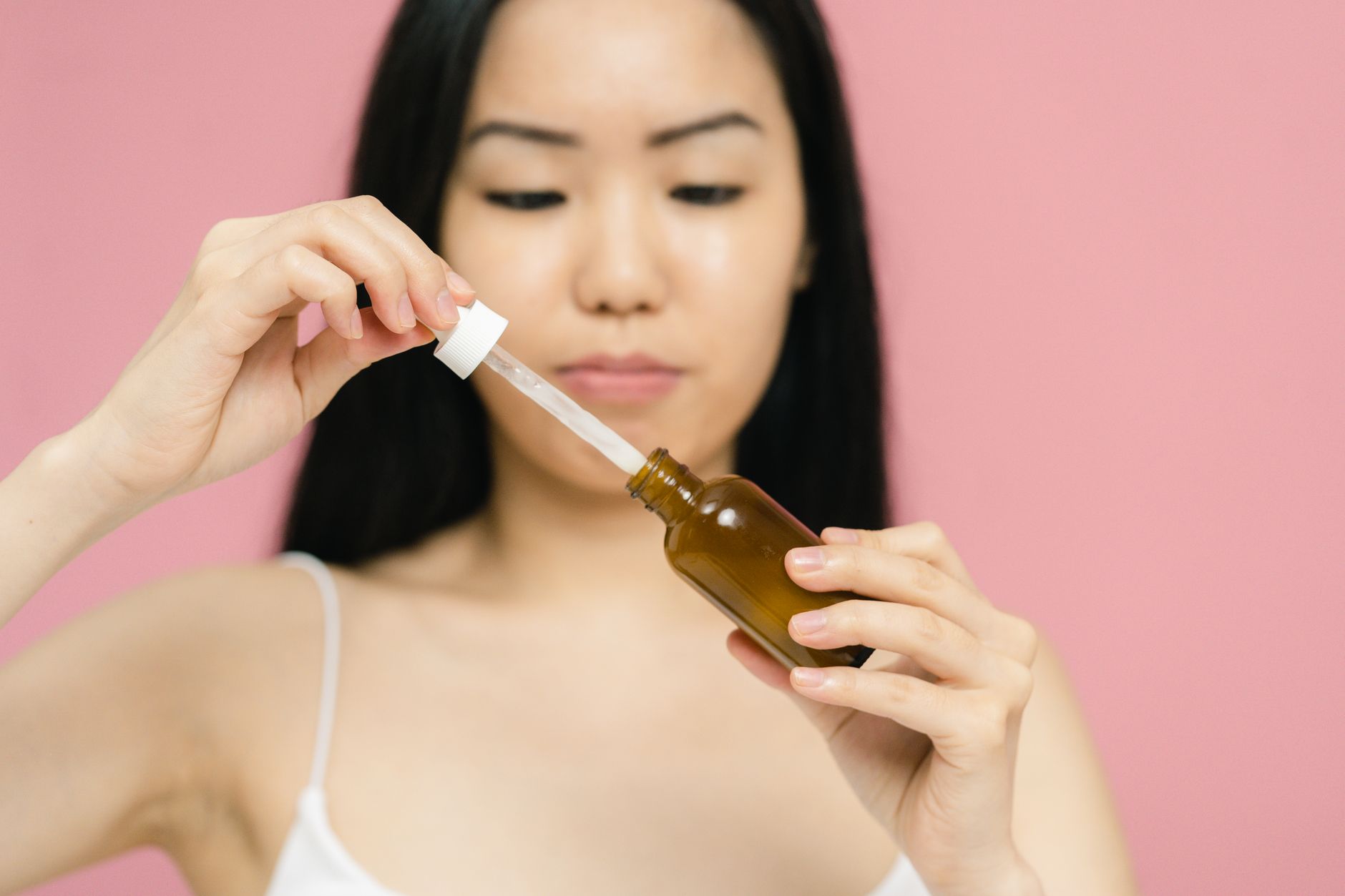
For many people with oily skin, niacinamide alone is not enough — it can measurably reduce oil, but it is not a recognized acne treatment, and the evidence that it controls sebum is inconsistent. If your goal is less shine and a stronger barrier, niacinamide may do the job; if your goal is fewer clogged pores and breakouts, you are better off pairing it with a proven acne active.
Niacinamide is a form of vitamin B3 used in serums and moisturizers at roughly 2% to 5%. Salicylic acid is a beta hydroxy acid that dissolves oil inside the pore, and unlike niacinamide it is formally recognized as an over-the-counter acne drug. That regulatory gap is the clearest reason not to treat the two as interchangeable.
Medical information disclaimer: This article is for general educational purposes only and does not provide medical advice, diagnosis, or treatment. Always consult a physician or other qualified health professional about symptoms, medications, tests, or treatment decisions.
Table of Contents
- What the sebum research actually shows
- Why salicylic acid occupies a different category
- Salicylic acid is recognized, but not strongly recommended
- Where niacinamide does hold up against a drug
- What niacinamide is reliably good at
- How to build a routine from this
- Frequently Asked Questions
What the sebum research actually shows
The strongest evidence for niacinamide reducing oil comes from a 2006 study by Draelos, Matsubara and Smiles. In the Japanese arm published in the Journal of Cosmetic and Laser Therapy, 100 subjects were split into two groups of 50 — one using a 2% niacinamide moisturizer, one a placebo — for four weeks. The niacinamide group had significantly lower sebum excretion rates at both week two and week four. The same paper's second arm is where the picture gets complicated.
In the Caucasian split-face arm run over six weeks, casual sebum levels on the skin surface fell, but the sebum excretion rate — the rate at which glands actually produce oil — did not change significantly. The oil-reducing effect was not reproduced across both populations. That split matters practically. "Casual sebum" is what sits on your face at a given moment, which is closer to how shiny you look; "excretion rate" is the underlying output. Niacinamide may reduce the former more reliably than the latter, which fits the common user report of a less greasy surface without a genuinely less oily complexion.
Why salicylic acid occupies a different category
Regulators treat these two ingredients differently, and that is not a technicality. FDA's final administrative order OTC000013, posted November 23, 2021, lists salicylic acid at 0.5% to 2% as a generally recognized as safe and effective over-the-counter acne active, alongside benzoyl peroxide at 2.5% to 10%, resorcinol, resorcinol monoacetate and sulfur. Niacinamide is not among the recognized acne actives.
This is why a salicylic acid cleanser can make an acne claim on the label and a niacinamide serum generally cannot. If you are shopping for something that is allowed to say it treats acne, the monograph list is the shortlist. It also sets a floor on expectations rather than a ceiling. Recognition means the active has met a standard for acne treatment; it does not mean salicylic acid is the strongest option available, which the next section covers.
Salicylic acid is recognized, but not strongly recommended
Being on the FDA list is not the same as being a first-line treatment. The American Academy of Dermatology's 2024 acne vulgaris guideline gives topical salicylic acid only a conditional recommendation with low certainty of evidence, grouping it with clascoterone and azelaic acid rather than with strongly recommended agents such as benzoyl peroxide and topical retinoids. The systematic evidence agrees.
The 2020 Cochrane review of azelaic acid, salicylic acid, nicotinamide, sulphur, zinc and alpha-hydroxy acids pooled 49 trials with 3,880 participants and concluded the clinical benefit of these agents is unclear, with no high-quality evidence comparing them to standard topical acne drugs. Two findings from that review are worth holding onto. It identified no trials at all comparing nicotinamide with placebo or no treatment for its assessed outcomes, and it rated salicylic acid against tretinoin as showing possibly little or no difference in physician global assessment — on low-quality evidence. So the honest framing is not "niacinamide weak, salicylic acid strong." It is that salicylic acid has regulatory recognition and a thin evidence base, while niacinamide has neither recognition nor placebo-controlled acne trials.
Where niacinamide does hold up against a drug
Niacinamide's better acne results come from head-to-head trials against topical antibiotics. Shahmoradi and colleagues, writing in the Journal of Research in Medical Sciences, randomized 60 women with mild-to-moderate acne, 30 per arm, to 5% nicotinamide gel or 2% clindamycin gel for eight weeks. Acne severity index fell significantly from baseline in both groups (p<0.0001), with no significant difference between the treatments and no adverse effects reported.
A separate 80-patient trial in the Journal of Drugs in Dermatology compared 4% nicotinamide with 1% clindamycin in moderate inflammatory acne. Mean acne grade dropped from 5.93 to 2.08 with nicotinamide and from 5.70 to 2.03 with clindamycin, again with no significant between-group difference. These are small, single-comparison trials against one antibiotic, not evidence that niacinamide matches a retinoid or benzoyl peroxide. But they do mean a 4% to 5% niacinamide gel is a reasonable option for someone who cannot tolerate stronger actives — a meaningfully higher concentration than the 2% moisturizers sold for oil control.
What niacinamide is reliably good at
The barrier effect is the best-understood part of the picture. A 2024 review in the International Journal of Molecular Sciences reports that niacinamide raises ceramide synthesis through the enzyme serine palmitoyltransferase, tying a 2% emulsion's barrier benefit to reduced transepidermal water loss — the moisture that escapes through skin. The same review states that the mechanism behind niacinamide's sebostatic, or oil-reducing, action remains unknown.
That is a useful asymmetry: the barrier claim has a mechanism and consistent measurements behind it, the oil claim does not. For oily skin that is also irritated by acne treatment, this is the practical value. Niacinamide is the ingredient that lets you keep using the active that is actually clearing your skin.
How to build a routine from this
The evidence points toward niacinamide as a partner ingredient rather than a substitute. A 2021 trial in the Journal of Clinical and Aesthetic Dermatology found that adding 5% niacinamide to 2.5% benzoyl peroxide reduced both lesion counts and measured sebum levels by week 12 compared with benzoyl peroxide alone.
A reasonable way to decide: One caution on pairing: salicylic acid and niacinamide are compatible, but stacking a salicylic cleanser, a salicylic toner and an exfoliant is the usual cause of the irritation people then blame on niacinamide. Use one salicylic acid step at a time, and judge the result after six weeks — the length of the longer Draelos arm, and roughly the point at which sebum and lesion measurements separated in the benzoyl peroxide combination trial.
- Shine and midday oil, no real breakouts — niacinamide at 2% to 5% may be enough on its own; give it four to six weeks, which is the length of the Draelos trials.
- Clogged pores, blackheads, closed comedones — add salicylic acid at 0.5% to 2%, the monograph range, as a cleanser or leave-on.
- Inflammatory acne with papules and pustules — build around benzoyl peroxide or a topical retinoid, the agents the AAD recommends strongly, and use niacinamide alongside.
- Acne plus stinging, flaking or a compromised barrier — keep niacinamide for its ceramide and water-loss benefit, and reduce the frequency of the active rather than dropping it.
- Cannot tolerate benzoyl peroxide or a retinoid — a 4% to 5% nicotinamide gel has trial support against 1% to 2% clindamycin.
Frequently Asked Questions
Can I use niacinamide and salicylic acid together in the same routine?
Yes. The 2021 benzoyl peroxide trial shows niacinamide working as an adjunct to a monograph active, and there is no evidence it blunts salicylic acid. Limit yourself to one salicylic acid step so you can tell irritation from ineffectiveness.
Does a higher niacinamide percentage control oil better?
The oil-control evidence sits at 2%, the concentration used in the Draelos trials. The higher 4% to 5% concentrations were tested for acne severity against clindamycin, not for sebum output, so more is not documented to mean less oil.
How long before I know whether niacinamide alone is working?
The Japanese arm saw significant sebum changes by week two and week four, and the split-face arm ran six weeks. If shine has not changed after six weeks of consistent use, it is not going to.
Why is salicylic acid an FDA-recognized acne active if the evidence for it is weak?
Monograph recognition reflects a safety and effectiveness standard for over-the-counter sale, not a ranking against other treatments. The AAD's conditional recommendation and Cochrane's "unclear benefit" conclusion are separate judgments about how well it performs.