
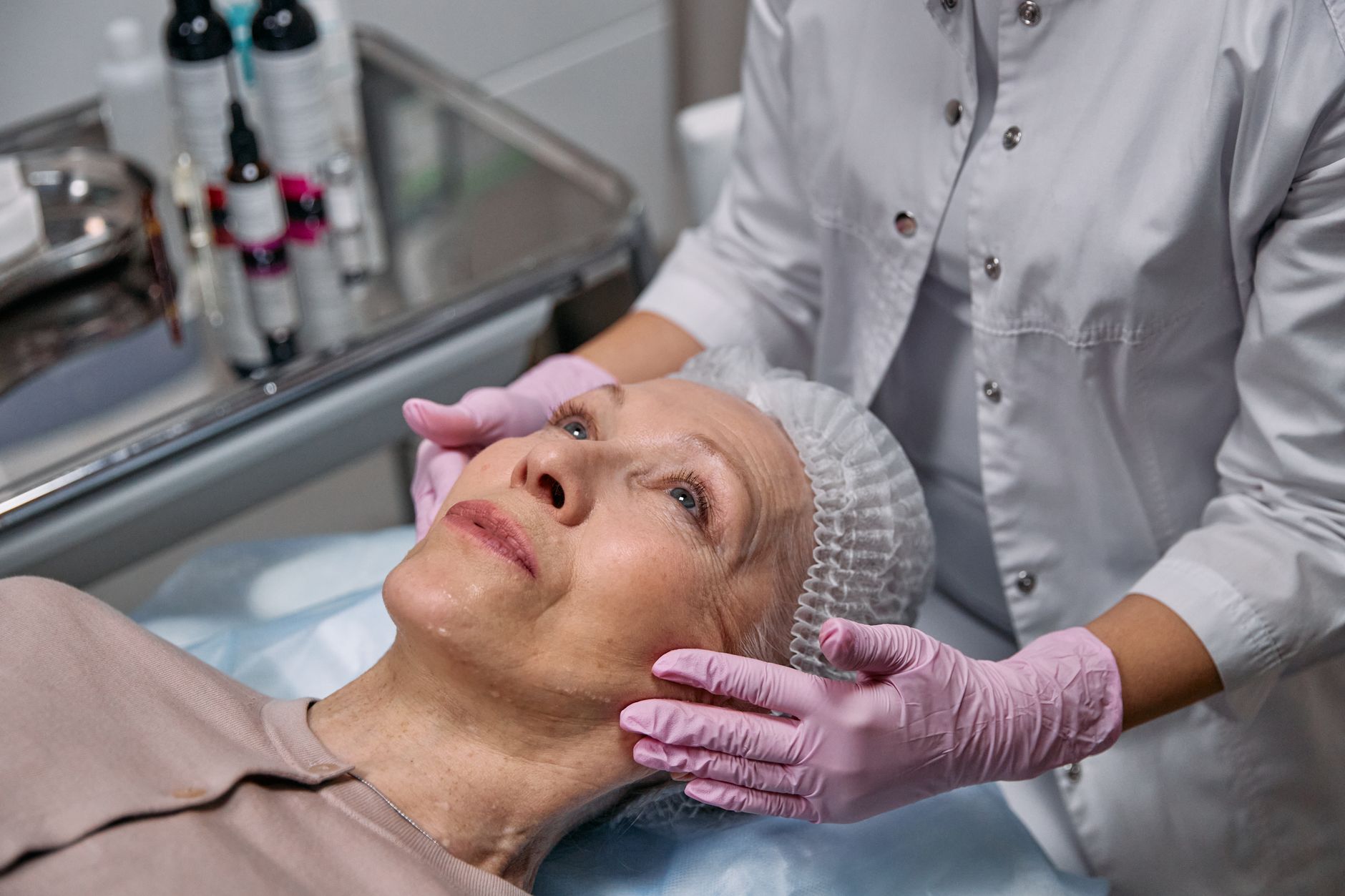
Yes, a dermatologist can extract a closed comedone safely using sterile instruments and controlled technique. A closed comedone, or whitehead, is a small skin-covered plug of sebum and dead cells, says Cleveland Clinic in its comedonal acne guide.
Extraction fits stubborn plugs that resist routine skin care and remain sealed under the surface. Cleveland Clinic lists comedone extraction as a procedure done by a dermatologist or licensed esthetician. It also warns that only a professional should perform it.
Medical information disclaimer: This article is for general educational purposes only and does not provide medical advice, diagnosis, or treatment. Always consult a physician or other qualified health professional about symptoms, medications, tests, or treatment decisions.
Table of Contents
- Why closed comedones stay trapped
- What professional extraction involves
- Why squeezing a whitehead at home backfires
- What extraction can and cannot do
Why closed comedones stay trapped
A closed comedone forms in a hair follicle with its top covered by skin. The trapped mix of oil and dead cells has no surface opening. That seal keeps cleansers and pressure from reaching the plug evenly.
The cover also makes the bump look small while the plug stays firm underneath. A blackhead has an open pore top, but a whitehead does not. So the two need different handling.
What professional extraction involves
The clinician first cleans the skin and checks which lesions are ready for removal. For a sealed whitehead, Krisara Skin Clinic's clinical protocol describes nicking the surface with a sterile lancet tip. The tiny opening gives the contents a controlled exit path.
Pressure is then applied evenly at the lesion base with an extractor, without tearing nearby tissue. The goal is to lift the whole plug out through the opening. Even force matters because uneven squeezing can injure the follicle wall.
Why squeezing a whitehead at home backfires
Fingernails, pins, and uneven pressure cannot copy that controlled release. Derm Collective reports in its review of popping whiteheads that squeezing a sealed lesion can force contents sideways and drive inflammation deeper. That process can prolong redness, invite infection, leave dark marks, and sometimes cause scars.
Mayo Clinic gives similar advice in its teen acne guidance, warning that picking spreads bacteria, pushes bacteria deeper, bruises skin, raises inflammation, and risks scarring. Home attempts also lack sterile tools and clear lighting. The result is often a larger, redder spot than the original bump.
- Leave sealed, painful, or inflamed whiteheads alone
- Do not press with nails, pins, or sharp tools
- See a dermatologist for plugs that persist, spread, or scar
What extraction can and cannot do
Professional extraction can remove a resistant plug right away and flatten the bump faster. Follow-up pore care is still needed because pores can fill again. American Academy of Dermatology guidance notes that ongoing unclogging care helps prevent refills.
There is also an evidence limit. The Academy's January 2024 acne guidelines made 18 evidence-based recommendations but did not find enough evidence to recommend lesion extraction, according to MDedge's summary of the guidelines. Extraction is therefore a selective tool for suitable plugs, not a cure for acne. Ask about follow-up care and other acne treatment at the same visit.