
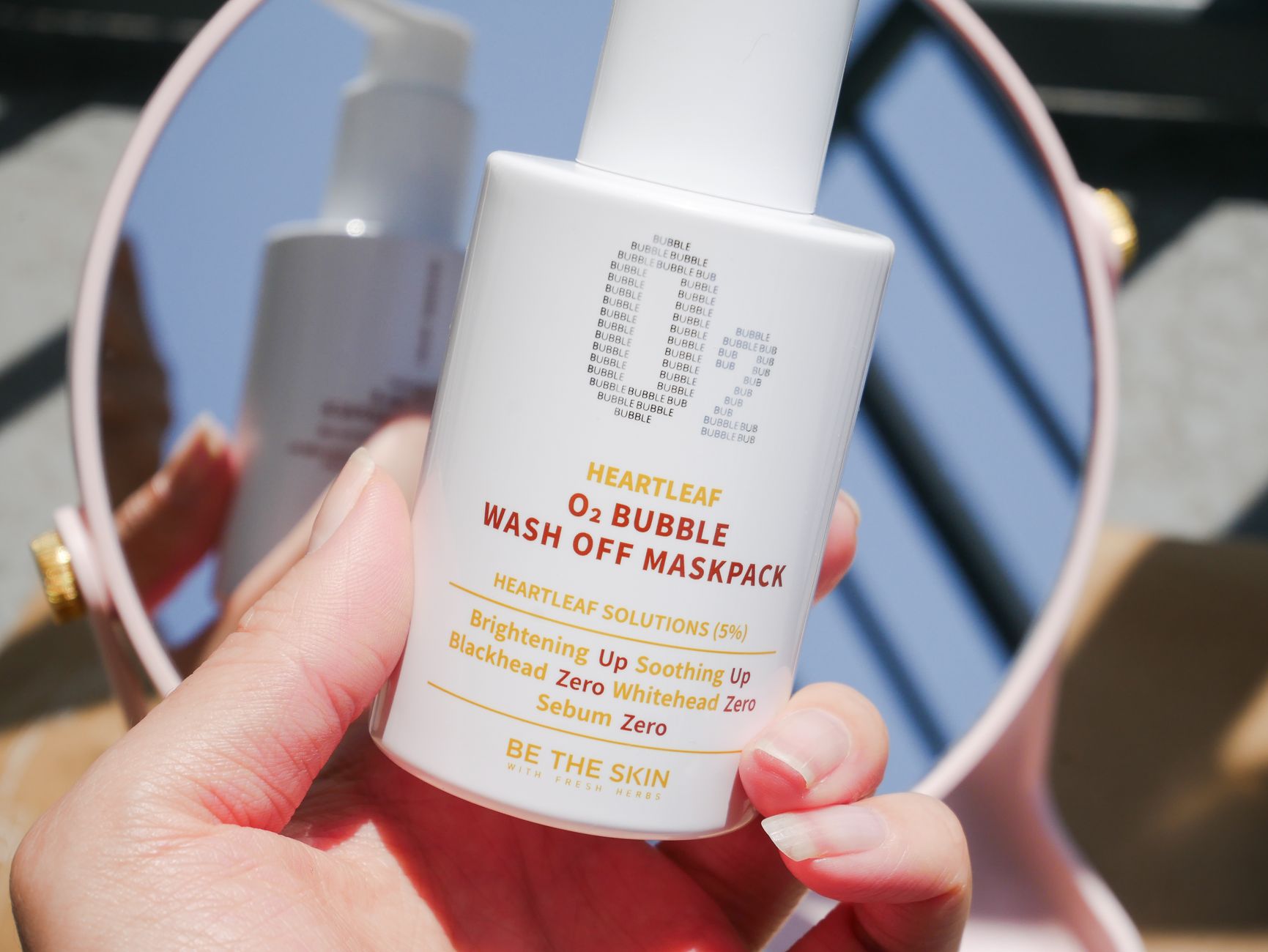
To prevent whiteheads during winter skin care changes, choose lightweight, oil-free, non-comedogenic products and keep cleansing gentle and brief. Limit exfoliation to once or twice weekly, take short lukewarm showers, and moisturize within minutes after drying.
Whiteheads are closed, plugged hair follicles that stay beneath the skin, according to NIAMS in its acne guide. They form when excess sebum and dead skin cells block pores on the face, neck, chest, and back. Cold air, low humidity, and indoor heat strip moisture and raise oil production, which makes cells stick and clog pores.
Medical information disclaimer: This article is for general educational purposes only and does not provide medical advice, diagnosis, or treatment. Always consult a physician or other qualified health professional about symptoms, medications, tests, or treatment decisions.
Table of Contents
- Why does winter clog pores?
- Which winter products lower risk?
- How should you wash and exfoliate?
- How do showers and timing protect skin?
- When should you seek care?
Why does winter clog pores?
Winter air holds less moisture, and indoor heating dries skin further. The skin answers dryness by making extra sebum. That oil mixes with dead cells that stick together instead of shedding.
The sticky mixture plugs hair follicles and traps oil beneath the surface. Plugged follicles can become whiteheads, blackheads, or painful lumps. People who already have acne-prone skin on the face, neck, chest, and back face higher risk during this shift.
Which winter products lower risk?
Heavy winter creams, balms, oils, and thicker makeup can trap oil and bacteria against the skin. APDerm advises choosing lightweight, oil-free products labeled non-comedogenic in its winter acne guide. Look for labels that say non-acnegenic or will not clog pores.
Favor unscented moisturizers that hydrate without a heavy occlusive layer. Run a humidifier while indoor heat is on and drink adequate water to support barrier moisture. These steps add hydration to the air and body rather than sealing pores with thick grease.
How should you wash and exfoliate?
The American Academy of Dermatology advises washing acne-prone skin up to twice daily and after sweating in its acne care guide. Use a non-abrasive, alcohol-free cleanser applied with fingertips. Scrubbing with cloths or sponges irritates skin and worsens breakouts.
Dermatologists prefer gentle chemical exfoliants with salicylic or glycolic acid over physical scrubs. Over-exfoliating strips oils, worsens dryness, and prompts more oil production. Keep the routine brief and stop if stinging, peeling, or tightness appears.
- Wash twice daily and after sweating with lukewarm water
- Use a mild, alcohol-free cleanser with fingertips
- Pat dry, then moisturize without scrubbing or picking
- Exfoliate only once or twice weekly in winter
How do showers and timing protect skin?
Long hot showers remove natural oils and lower skin hydration. Short lukewarm showers or baths for only five to ten minutes better preserve the barrier. The Cleveland Clinic describes this timing and fast moisturizing step in its skin care basics.
Apply moisturizer within two to three minutes after drying to lock in water. This quick timing matters most on cold days when heat is running. It hydrates without needing a thick balm that can invite bacterial irritation.
When should you seek care?
Home routine changes cannot fix every breakout. Severe, painful cysts, lasting redness, or acne that does not clear with over-the-counter care need medical review. Dermatology Physicians of Connecticut notes this limit for cold-weather acne.
A dermatologist can match prescription treatment to skin type, severity, and winter triggers. Bring a list of current cleansers, creams, oils, and makeup. Early care can prevent scarring and shorten painful flares.