
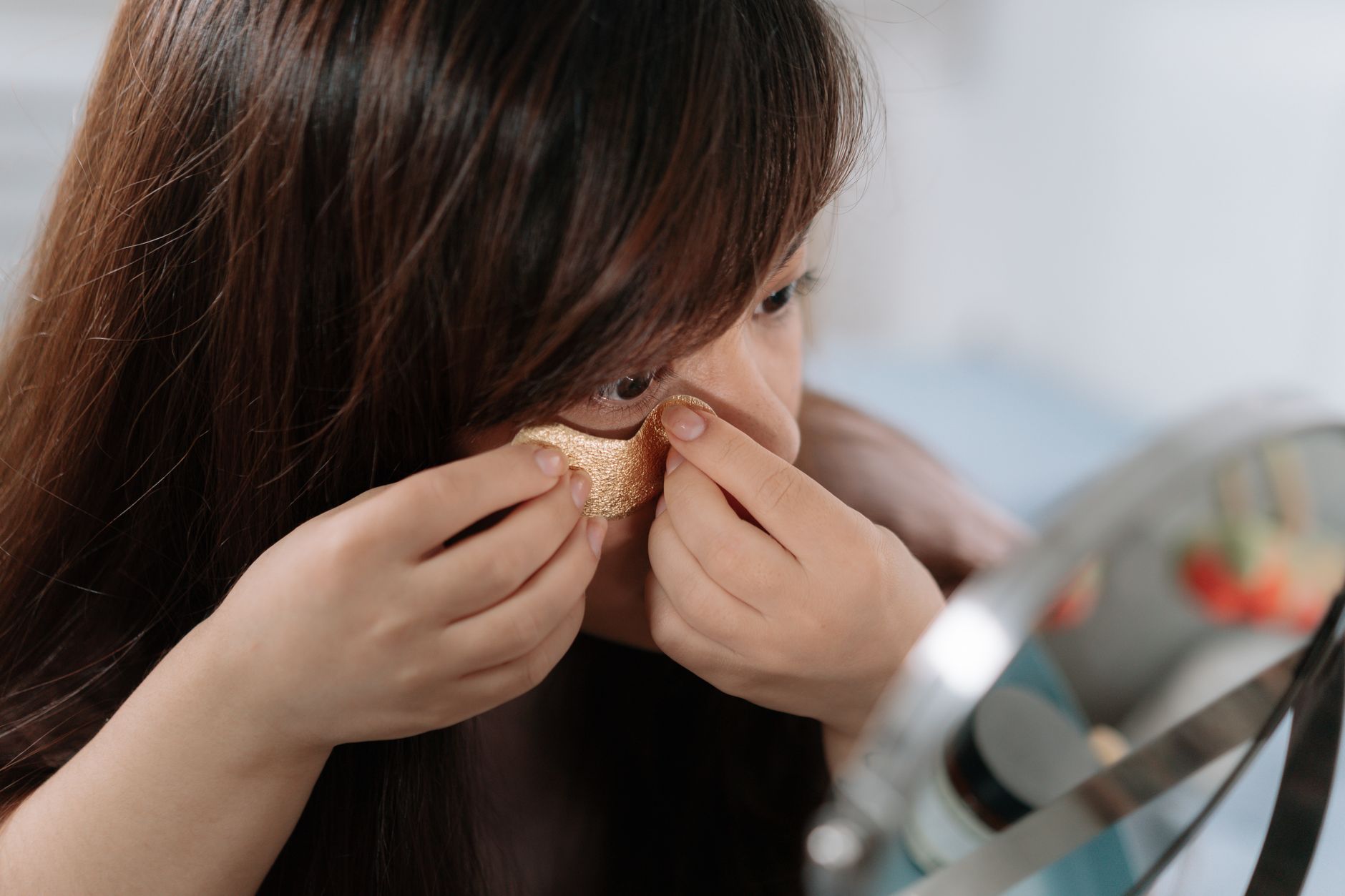
Yes. Pimple patches work best on whiteheads, which are exactly the type of surface pimple they are made to treat. A pimple patch is a small hydrocolloid sticker that seals one spot. It absorbs pus, oil and wound fluid and supports moist healing after picking or popping, according to Cleveland Clinic in how pimple patches work.
Medical information disclaimer: This article is for general educational purposes only and does not provide medical advice, diagnosis, or treatment. Always consult a physician or other qualified health professional about symptoms, medications, tests, or treatment decisions.
Table of Contents
- How does the patch help a whitehead?
- Which whiteheads respond best?
- Which breakouts will a plain patch miss?
- How should you use one for a whitehead?
How does the patch help a whitehead?
A whitehead holds fluid near the surface. Hydrocolloid gives that fluid somewhere to go. The seal also keeps the open spot moist, which supports healing.
The sticker adds a second benefit. It blocks fingers and prevents picking and further trauma. That barrier may reduce inflammation and dark marks even when little fluid comes out, according to Dermatology Times in a mythbusting review of hydrocolloid trials.
Which whiteheads respond best?
Surfaced whiteheads and pustules respond best. Dermatologists point to spots that have come to a head or are open and oozing.
Those spots often look flatter and less red after overnight wear. A whitehead with a visible head is a good match. A red bump without a head is not.
Which breakouts will a plain patch miss?
Plain patches do little for blackheads and closed comedones. They also do little for deep, painful cysts or nodules.
Those lesions lack drainable surface fluid. Trials enrolled papules and pustules rather than deep cystic acne, with rapid improvement in popped or draining lesions and smaller, slower change in closed papules.
How should you use one for a whitehead?
Match the patch to the lesion. Save it for a whitehead with a visible head or an open, oozing spot.
Medicated and microneedle versions add ingredients such as salicylic acid for deeper bumps, but comparative evidence against plain hydrocolloid is limited and added actives may irritate. People with widespread, persistent, or cystic acne should use proven topicals and seek dermatologist care rather than relying on patches, according to the American Academy of Dermatology in DIY acne guidance.
- Use it as overnight spot care for a surfaced whitehead or pustule
- Leave blackheads, closed bumps without heads, and deep painful lumps alone
- Let the seal stop picking instead of squeezing the spot again
- Expect spot care only, not fewer future breakouts