
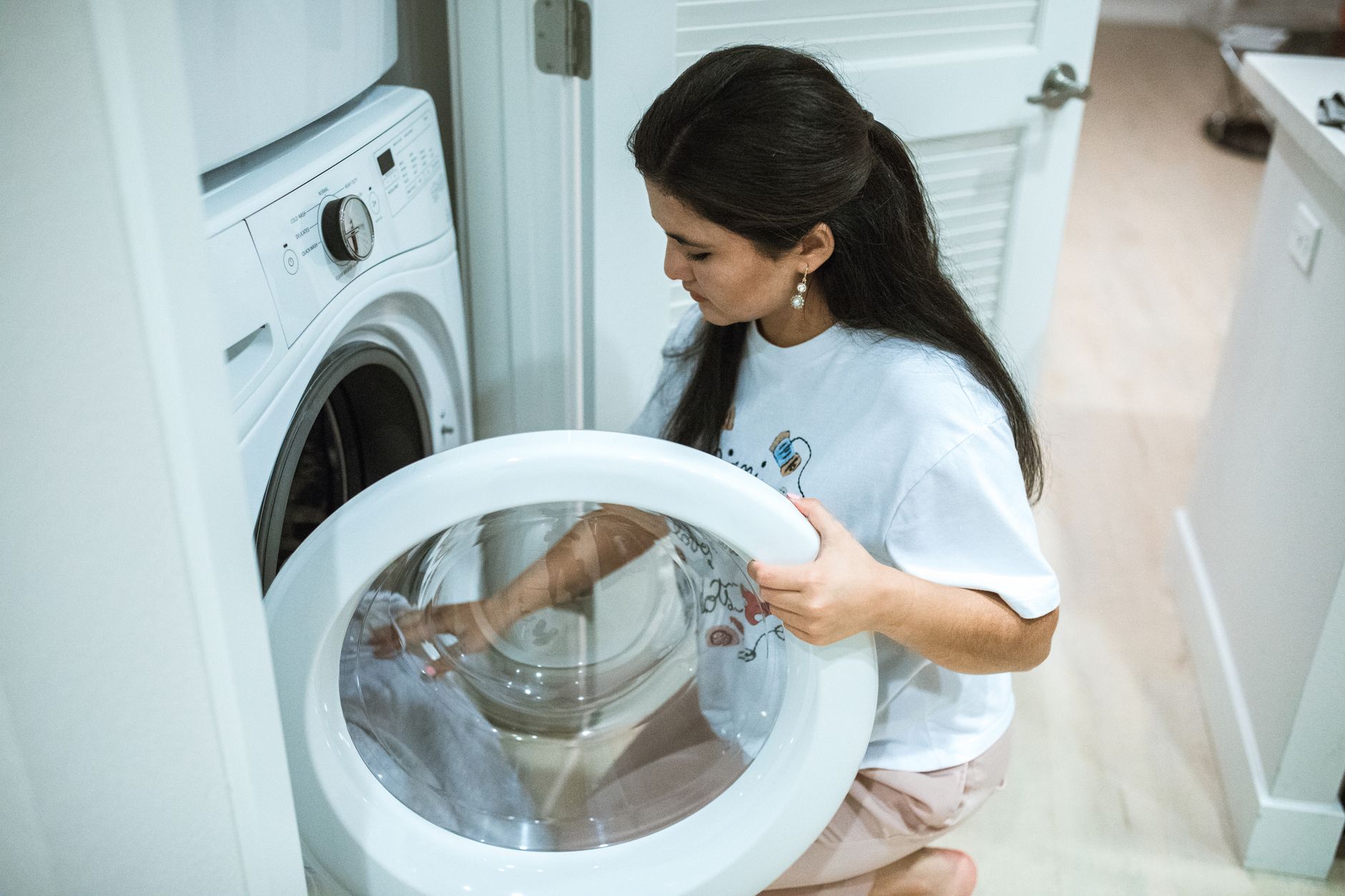
Yes, laundry detergent can trigger chest breakouts in people with sensitive skin. Leftover fragrance or residue on shirts can irritate skin and feed acne-like bumps. Chest breakouts are red bumps, whiteheads, or blackheads on the chest. According to Cleveland Clinic, they form when sweat, excess oil, dead skin cells, and bacteria clog pores, as described in its back and body acne overview.
Medical information disclaimer: This article is for general educational purposes only and does not provide medical advice, diagnosis, or treatment. Always consult a physician or other qualified health professional about symptoms, medications, tests, or treatment decisions.
Table of Contents
- Why pores clog on the chest
- How detergent irritates chest skin
- Is it acne or a detergent rash?
- Laundry and clothing steps that help
Why pores clog on the chest
Chest skin can trap sweat and oil under clothing during the day. Dead cells and bacteria then collect in follicles. The clog swells into a red bump, whitehead, or blackhead.
Friction makes clogs worse. Sweaty shirts, tight tops, bras, backpacks, and sports pads hold moisture against skin and rub follicles. This friction-related flare is often called acne mechanica.
How detergent irritates chest skin
Detergent touches chest skin all day through shirts, bras, and sleep tops. According to Westlake Dermatology, heavily scented products or residue left on fabric can irritate sensitive skin, drive inflammation, and contribute to acne-like breakouts, as explained in its chest acne prevention guide.
Fragrance is a leading trigger, along with dyes and certain surfactants. The American Academy of Family Physicians lists fragrances among common contact allergy causes. DermNet notes that cocamidopropyl betaine, a cleanser ingredient from coconut oil, can cause eczema-type reactions in sensitized people.
Is it acne or a detergent rash?
Many detergent-related bumps are not true clogged-pore acne. According to IU Health, irritant or allergic contact dermatitis causes an itchy red rash with bumps or blisters where clothing touches skin, hours to days after exposure, as described in its contact dermatitis guide.
True chest acne tends to center on pores and hair follicles. Dermatitis tends to match fabric contact and itch or burn more. Painful, blistering, spreading, or long-lasting chest lesions need clinician diagnosis and possible patch testing rather than assuming detergent acne.
Laundry and clothing steps that help
People with repeated chest flares can lower fabric irritation while still treating clogged pores. According to the American Academy of Allergy, Asthma & Immunology, useful steps include switching to fragrance-free and dye-free detergent and rinsing well, detailed in its skin care tips for sensitive skin. Change out of sweaty gym shirts right away and run an extra rinse when breakouts sit where fabric presses hardest.
- Switch to fragrance-free and dye-free detergent.
- Add an extra rinse cycle.
- Wear clean, loose, breathable shirts.
- Shower promptly after heavy sweating.