
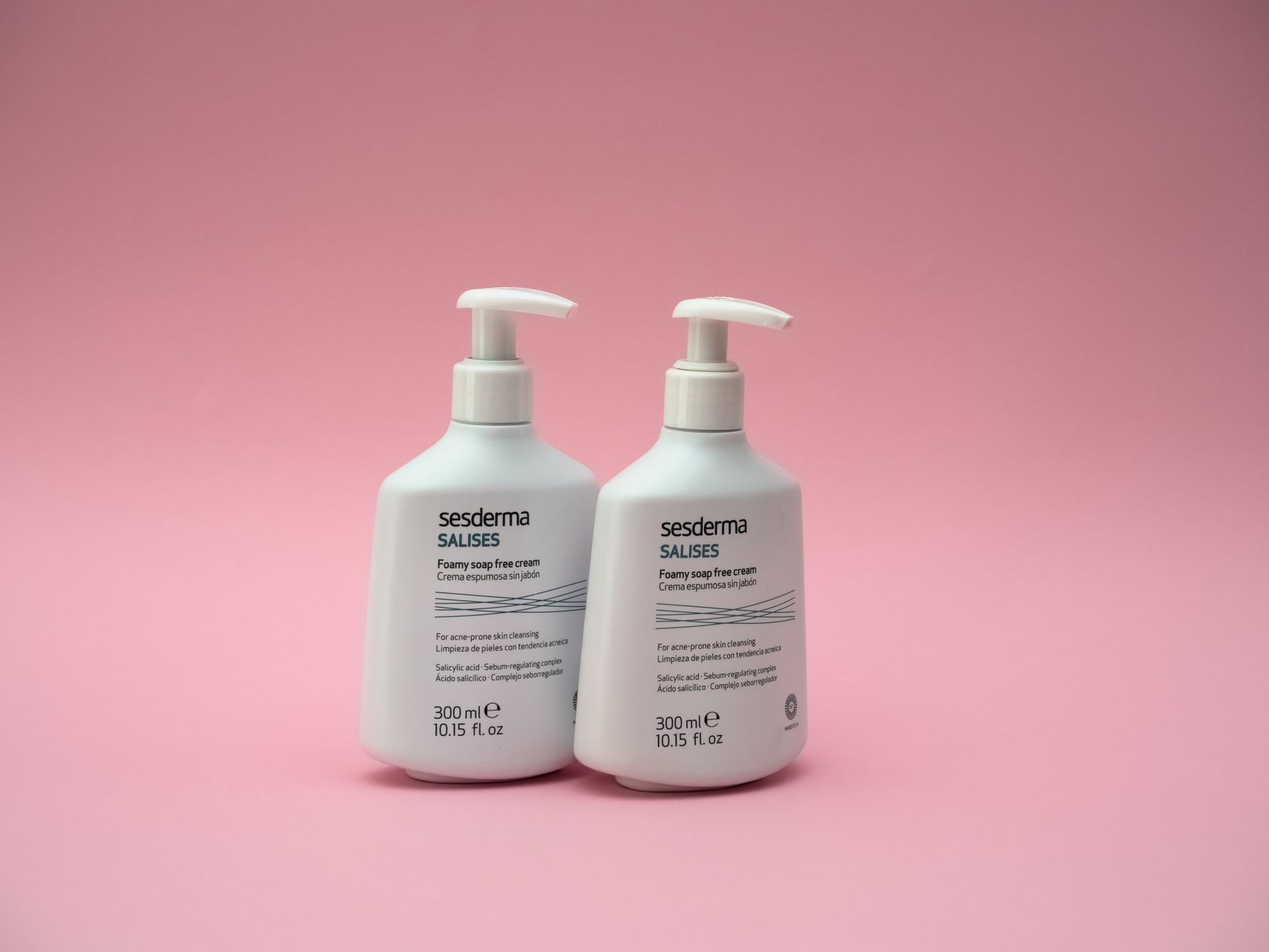
Dermatologists recommend patch testing new acne skincare to catch irritation or allergy on a small skin spot before a full-face breakout, burn, or rash. A short home test reveals whether benzoyl peroxide, salicylic acid, retinoids, and other actives will inflame your skin. A home patch test means repeated small applications on one sheltered area for several days. A clinical patch test is different: a clinician places allergen-coated patches on skin and checks the reaction after removal.
Medical information disclaimer: This article is for general educational purposes only and does not provide medical advice, diagnosis, or treatment. Always consult a physician or other qualified health professional about symptoms, medications, tests, or treatment decisions.
Table of Contents
- How do you patch test at home?
- Why doesn't a safe label remove the need to test?
- Why do acne treatments irritate so often?
- When should you stop and call a dermatologist?
How do you patch test at home?
Pick a quarter-sized spot on the inner forearm or elbow bend. Apply the usual amount of product there twice daily for 7 to 10 days, as described in Healthline's guide to self patch testing summarizing American Academy of Dermatology guidance.
Stop and wash the product off for redness, itching, burning, or swelling. Add only one new acne product or active at a time. That pause makes it easier to judge each product and pinpoint the cause of irritation or new breakouts.
Why doesn't a safe label remove the need to test?
Board-certified dermatologists urge testing on several small areas first because more than 15,000 allergens can cause allergic contact dermatitis. Products labeled hypoallergenic, natural, or clean can still trigger reactions, according to the American Academy of Dermatology via Piedmont Orthopedics reporting on Dr.
Bruce Brod's advice. Acne-prone skin often meets many triggers at once: fragrance, preservatives, sunscreen filters, botanicals, and strong actives. A small test exposes that mismatch before the whole face pays for it.
Why do acne treatments irritate so often?
Most bad reactions are irritant contact dermatitis. Benzoyl peroxide, salicylic acid, retinoids, and hydroxy acids strip oils and disrupt the skin barrier, causing sting, dryness, peeling, and redness. True allergy is rarer and usually involves fragrances, preservatives, or benzoyl peroxide itself, as reviewed by Dr.
Chet Tharpe in Curex's guide to acne-treatment reactions. The National Capital Poison Center also notes an FDA warning that benzoyl peroxide or salicylic acid can cause rare but serious hypersensitivity or severe irritation in gels, washes, pads, lotions, and scrubs. Teens and adults both face that risk.
When should you stop and call a dermatologist?
Watch for an itchy, swollen, uncomfortable rash after contact. Contact dermatitis can spread beyond the test spot and feel hot, tight, blistered, or painfully dry.
A home repeated-application test screens for early irritation or sensitivity. It cannot replace clinician patch testing or reliably catch delayed pore-clogging breakouts, so persistent, severe, or spreading reactions need medical care.
- Stop the suspect product at the first clear warning sign
- Rinse gently and avoid scrubbing, picking, or adding another active
- Seek prompt care for severe pain, swelling, blisters, spreading rash, or trouble breathing
- Bring the product name and ingredient list to the visit