
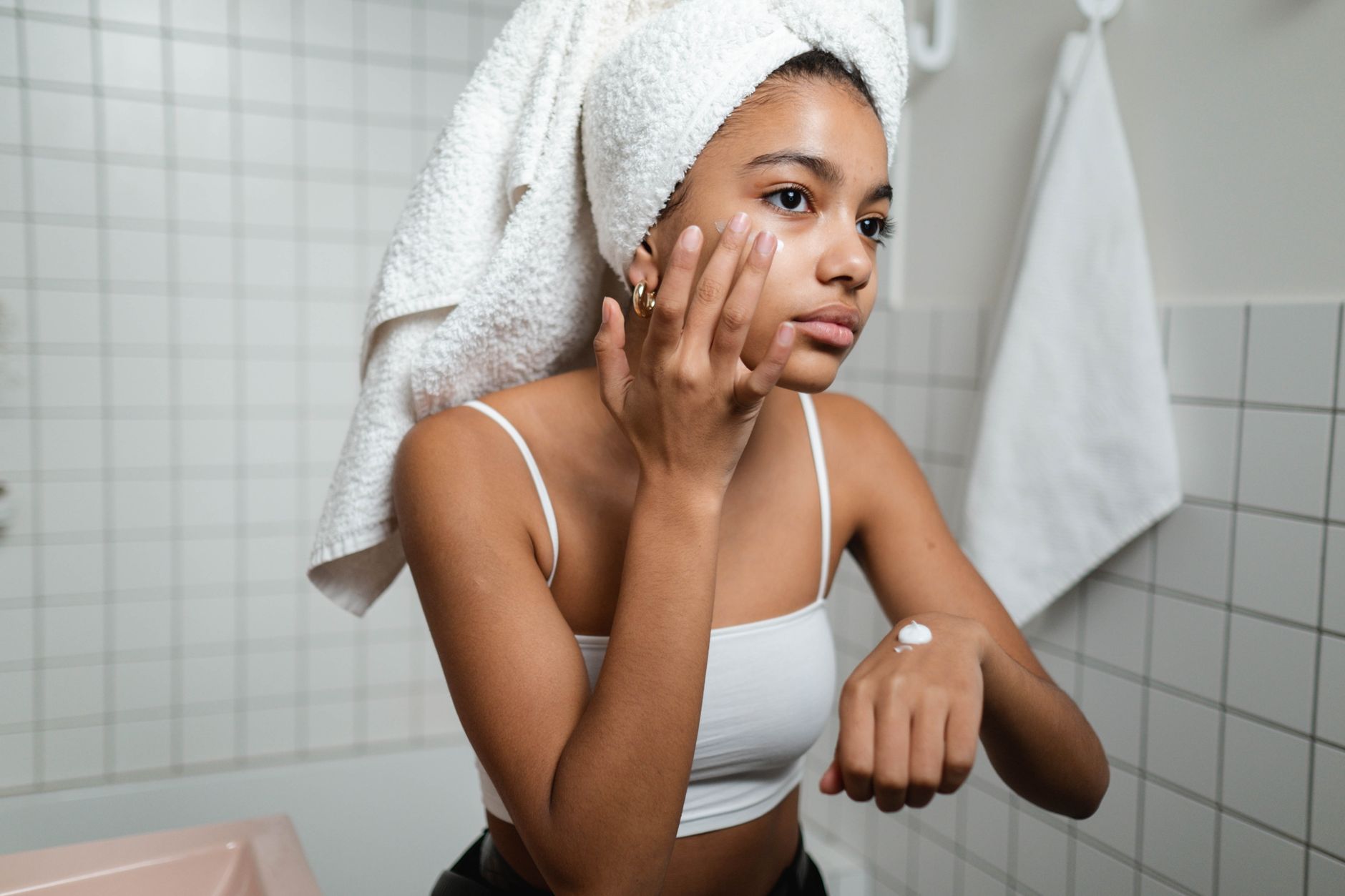
Niacinamide can reduce teen-type mild-to-moderate acne, especially pimples, whiteheads, and blackheads. Niacinamide is a form of vitamin B3 used in gels and creams for oily, breakout-prone skin. It works best as a support treatment rather than a cure for severe acne. Trials show less redness, oiliness, and irritation when teens pair it correctly with standard acne care.
Medical information disclaimer: This article is for general educational purposes only and does not provide medical advice, diagnosis, or treatment. Always consult a physician or other qualified health professional about symptoms, medications, tests, or treatment decisions.
Table of Contents
- How well does it clear breakouts?
- Does it help oil and dark marks?
- How should teens use it with other treatments?
- When is it not enough?
How well does it clear breakouts?
An 8-week randomized trial found 4% nicotinamide gel reduced acne severity about as much as 1% clindamycin gel, with no significant between-group difference. Pharmacy Times described this result as making niacinamide a non-antibiotic option without resistance risk in its February 2024 counseling review. A 2024 systematic review also found topical niacinamide gel safe and significantly effective at decreasing pustules, comedones, and papules over 8 weeks.
The reviewers tracked mild-to-moderate acne vulgaris with checks every two weeks, according to the review in Cureus. For teens, that means fewer inflamed bumps and clogged pores over one to three months. It does not promise overnight clearing or perfect skin.
Does it help oil and dark marks?
Controlled trials of 2% niacinamide found lower sebum excretion in Japanese subjects over 4 weeks and lower casual sebum in Caucasian subjects over 6 weeks. Less surface oil can mean less shine and fewer new clogs. In adults ages 18-40 with mild-to-moderate facial acne, 12 weeks of 2.5% benzoyl peroxide plus 5% niacinamide cut lesion counts and casual sebum from baseline.
The combination beat benzoyl peroxide alone for noninflammatory lesions, according to the 2021 split-face trial report. The same trial offers help for lingering marks. Hyperpigmentation scores rose significantly on the peroxide-only side but not the niacinamide side.
How should teens use it with other treatments?
Topical niacinamide stabilizes the outer skin barrier and supports keratin and ceramide production. It also reduces water loss, which can offset dryness from benzoyl peroxide or retinoids.
That barrier support matters because many teen routines layer strong cleansers, exfoliants, and spot treatments. A simple routine keeps irritation down and makes daily use more consistent.
- Choose a 2% to 5% niacinamide gel or light moisturizer for daily use
- Apply it after cleansing and before heavier creams or sunscreen
- Patch-test first and read the full ingredient list for overlapping actives
- Stop added actives if burning, peeling, or spreading redness starts
When is it not enough?
Key trials were small, mostly adult, and limited to mild-to-moderate acne. They do not show niacinamide alone clears severe, cystic, or scarring teen acne. Teens with painful lumps, deep cysts, rapid scarring, or acne on large body areas need dermatologist care.
Prescription retinoids, hormonal treatment, isotretinoin, or procedures may be appropriate there. Niacinamide is generally well tolerated with minimal side effects. Still, the American Academy of Pediatrics warned in June 2025 that many TikTok teen routines contain potentially irritating actives including niacinamide, so teens should patch-test and review ingredients before adding another serum, according to the Academy news release.