
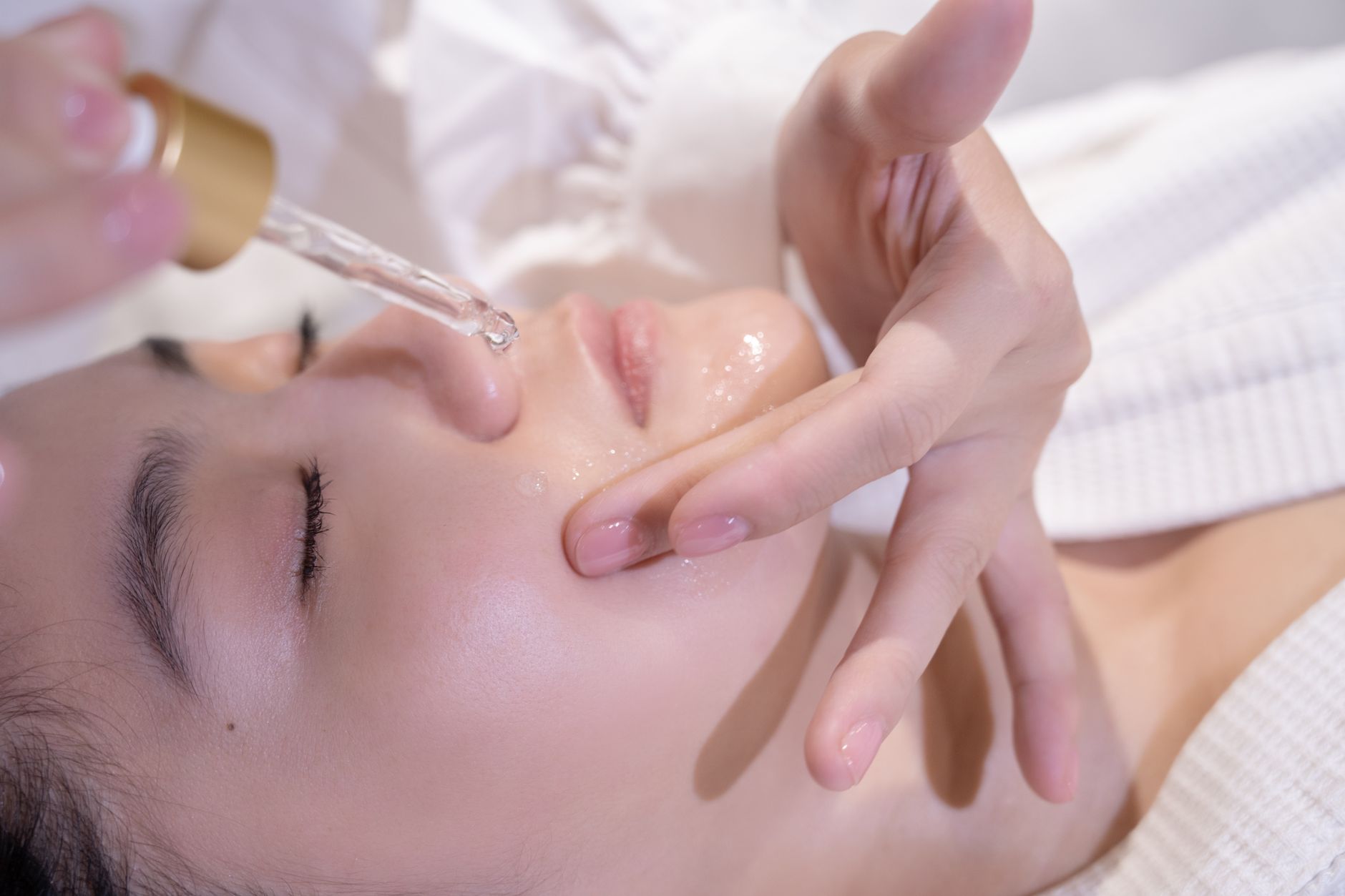
Niacinamide can help mild facial acne as supportive care, not as a replacement for proven acne drugs. Dermatologists point to less inflammation and less sebum, with the clearest trial result for 4% gel used twice daily. Niacinamide, the water-soluble active form of vitamin B3, suits oily skin that flushes or stings easily. It does not cause bacterial antibiotic resistance, so doctors often view it as a steady background measure.
Medical information disclaimer: This article is for general educational purposes only and does not provide medical advice, diagnosis, or treatment. Always consult a physician or other qualified health professional about symptoms, medications, tests, or treatment decisions.
Table of Contents
- How does niacinamide act on acne-prone skin?
- What do sebum and pore studies show?
- Can niacinamide compare with clindamycin?
- Who should use it, and who should not rely on it alone?
How does niacinamide act on acne-prone skin?
DermNet NZ describes niacinamide as acting through anti-inflammatory effects and reduced sebum production, which matches the two main problems in mild facial acne — red bumps and excess oil. DermNet NZ overview Cleveland Clinic dermatologist Wilma Bergfeld, MD, adds that niacinamide builds keratin and keeps skin firm and healthy, supporting the barrier in easily irritated skin.
A stronger barrier matters because dryness, harsh cleansers, and acne treatments can trigger more redness and picking. Niacinamide fits that gap by calming oiliness without the harsh stripped feeling. It works best when breakouts are mild and skin is oily or sensitive.
What do sebum and pore studies show?
A review in the Journal of Clinical and Aesthetic Dermatology reports that 2% topical niacinamide significantly lowered facial sebum excretion after 2 and 4 weeks in a double-blind trial of 100 Japanese subjects. review of the Draelos trial Practical Dermatology reports a similar pattern, with less surface sebum and smaller-looking pores over 4 to 6 weeks in Japanese and Caucasian groups.
Those changes are cosmetic and functional at once. Less surface oil means less midday shine, fewer clogged-looking pores, and makeup that stays in place longer. The effect builds over weeks, not overnight.
Can niacinamide compare with clindamycin?
In a randomized double-blind trial of 76 patients with moderate inflammatory facial acne, 4% nicotinamide gel twice daily for 8 weeks produced a statistically similar lesion reduction as 1% clindamycin gel. summary of the Shalita comparison A later trial tested 5% nicotinamide gel against 2% clindamycin gel for mild-to-moderate acne vulgaris. Dermatologist Dr.
Rachel Ho notes that the 4% gel result improved inflammatory acne over eight weeks, but later reviews rate acne evidence as limited and advise against replacing proven drugs with niacinamide alone. Dr. Ho's niacinamide review That distinction guides practical use:.
- choose 2 to 5% niacinamide for oily, mildly acne-prone skin
- apply twice daily as supportive care, not as the sole drug for moderate-to-severe acne
- keep prescription retinoids, benzoyl peroxide, or antibiotics when a doctor has prescribed them
- judge change at 4 to 8 weeks, when sebum and lesion trials measured results
Who should use it, and who should not rely on it alone?
Niacinamide suits teens and adults with whiteheads, blackheads, and a few tender red pimples plus an oily T-zone. It is generally well tolerated, so morning and evening use fits easily under moisturizer and sunscreen. People with dry, calm skin and no acne gain little from adding it for acne.
Do not rely on niacinamide alone for painful nodules, cysts, widespread inflammatory acne, scarring, or dark marks that keep spreading. Those signs need prompt medical treatment to prevent lasting scars. Bring your product list to the visit and ask where a 2 to 5% niacinamide product fits beside proven treatment.