
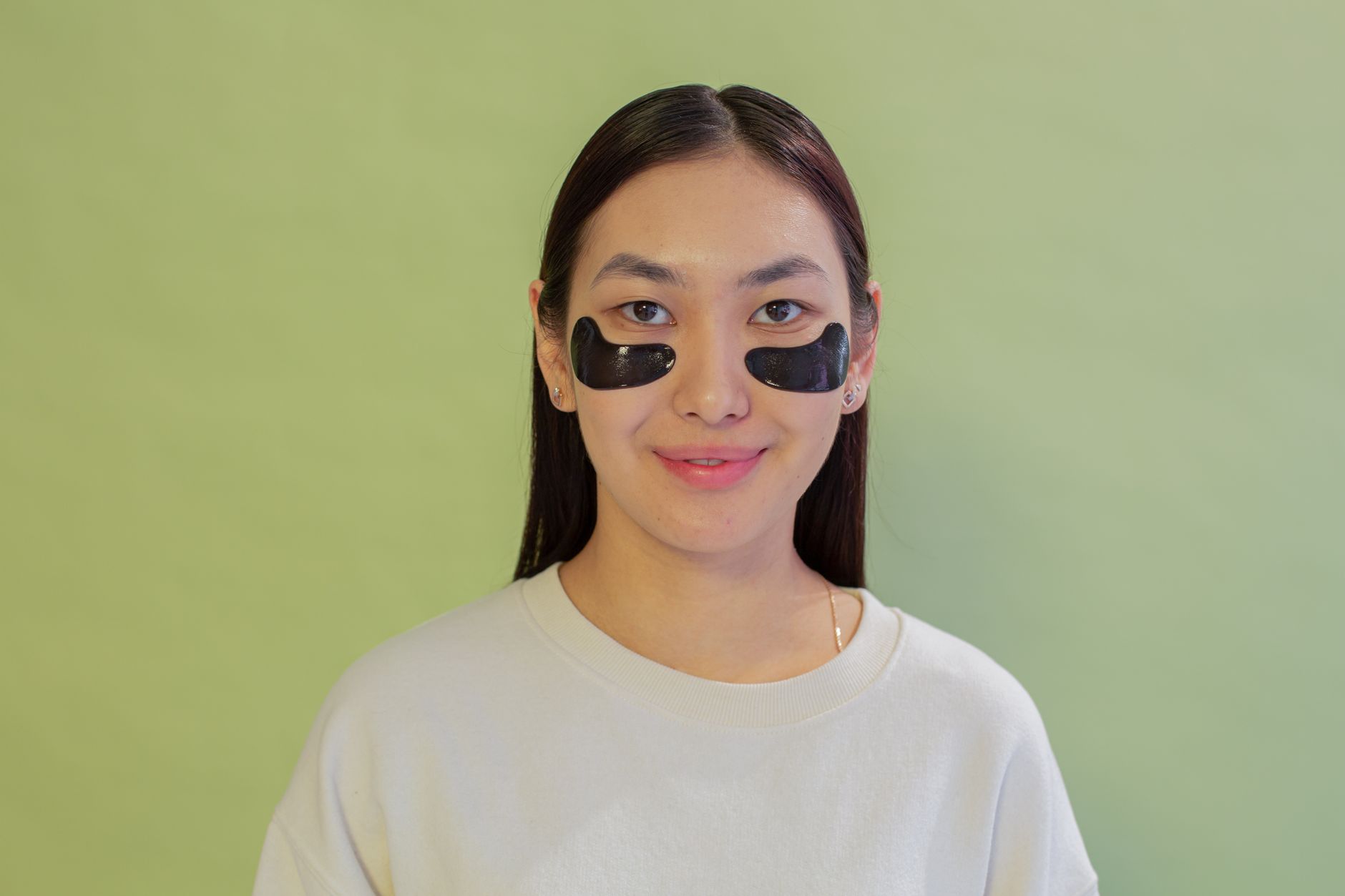
CosRx hydrogel face masks can help acne-prone skin calm down, but they can also irritate it. A hydrogel mask is a water-loaded gel sheet that holds hydrating ingredients against the skin. The formulas focus on hydration, brightening, and soothing rather than clearing active pimples. That makes them a support step, not an acne treatment.
Medical information disclaimer: This article is for general educational purposes only and does not provide medical advice, diagnosis, or treatment. Always consult a physician or other qualified health professional about symptoms, medications, tests, or treatment decisions.
Table of Contents
- What is inside the CosRx hydrogel masks?
- Where could acne-prone skin benefit?
- Why can these masks irritate or cause breakouts?
- How can you use one more safely?
What is inside the CosRx hydrogel masks?
COSRX Official lists The Alpha-Arbutin Discoloration Care Hydrogel Mask with alpha-arbutin, niacinamide, N-acetyl glucosamine, ceramides, hyaluronic acids, betaine, and allantoin for tone and sensitive skin, as shown on the Alpha-Arbutin mask product page. The mix targets dark spots and dryness. It also includes barrier-supporting ceramides and soothing agents.
COSRX also sells a snail-mucin option with 25% snail secretion filtrate plus collagen, niacinamide, panthenol, ceramides, and hyaluronic acids. Another option pairs PDRN with eight types of hyaluronic acid. These are hydrating masks with added brightening or glow ingredients.
Where could acne-prone skin benefit?
Niacinamide is the most acne-relevant ingredient here. In a 12-week trial, 2.5% benzoyl peroxide plus 5% niacinamide reduced lesion counts and sebum versus baseline. That result supports niacinamide as a useful companion ingredient, not proof that a hydrogel sheet alone clears acne.
Snail secretion filtrate may help with recovery after spots. Daily snail filtrate sped full-thickness wound closure in mice from days 3-14. That was an animal wound model, so it suggests barrier-repair potential rather than an acne cure.
Why can these masks irritate or cause breakouts?
Prolonged occlusion is the main risk. Cleveland Clinic explains that trapped hot, humid air under masks creates conditions for yeast, bacteria, and Demodex overgrowth and irritation-related breakouts, as described in the Cleveland Clinic maskne report. A wet hydrogel layer worn too long can create the same humid, occluded setting.
Allergy is a second risk. People with dust-mite allergy face higher snail-mollusk reaction risk because mite and snail allergens cross-react. For those users, a snail-mucin hydrogel can itch, redden, or irritate.
How can you use one more safely?
Keep the routine gentle and short. Dermatologists warn that harsh acne care can keep breakouts going, so users should avoid scrubbing, picking, and irritating products, according to the American Academy of Dermatology acne-care guidance.
Patch-test first and stop use on open, painful, or worsening lesions. Choose the plainer hydrating formula when skin is actively breaking out. Save brightening or snail-mucin masks for periods when barrier damage and dark marks matter more than active lesions.
- Patch-test behind the ear or along the jawline before full-face use.
- Apply to clean, dry skin and follow the package wear time.
- Skip use over open sores, cracked skin, or painful inflamed spots.
- Rinse off residue if skin feels sticky, hot, or itchy.
- Stop the product if redness, burning, itching, or new painful breakouts spread.