
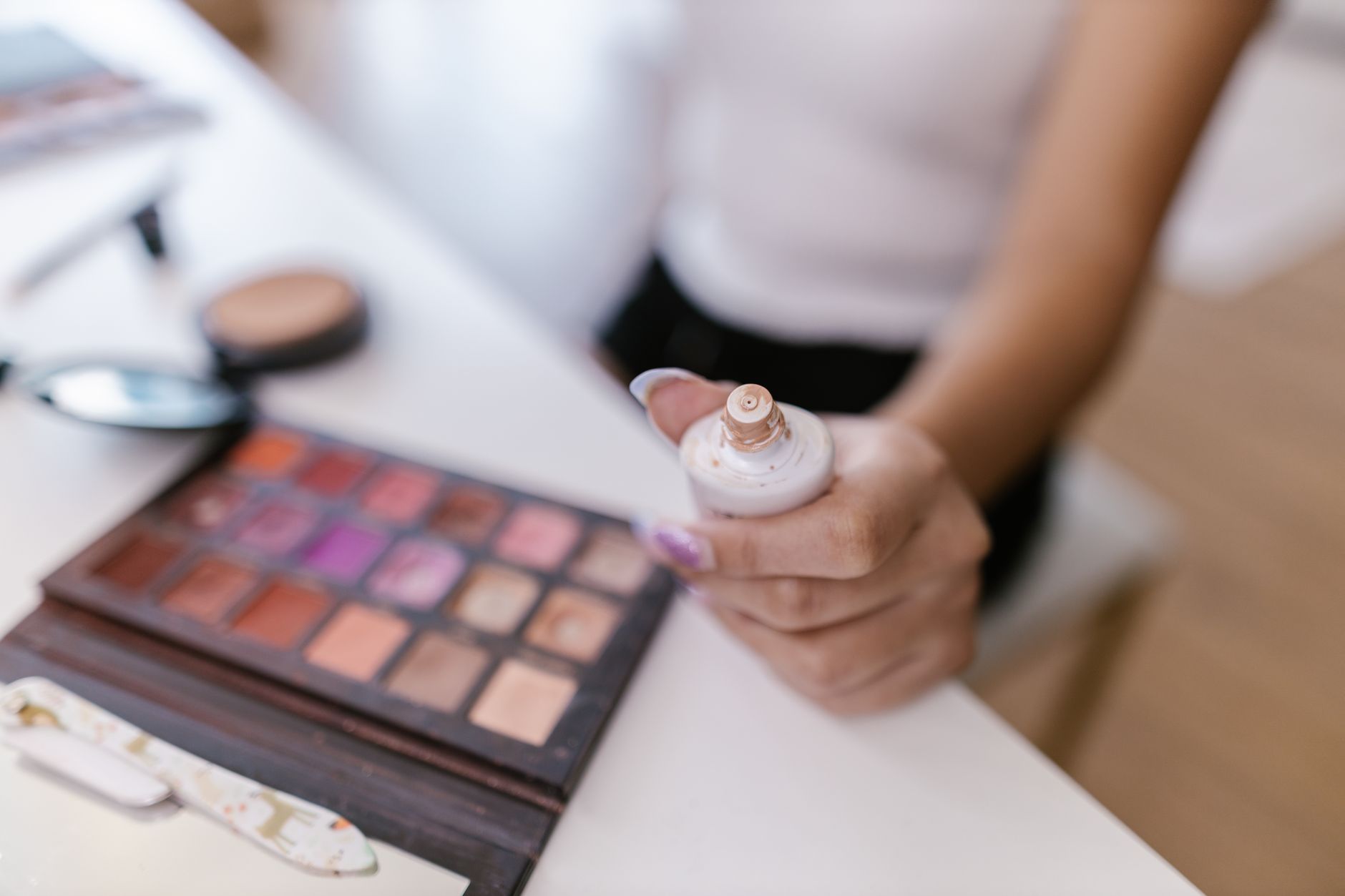
For acne-prone skin, a niacinamide primer usually works better for daytime oil control and breakouts. A silicone primer works better for instantly blurring pores and smoothing makeup.
A primer is a thin base layer worn under makeup. Niacinamide, a form of vitamin B3, is added to support oil balance. Silicone primers rely on ingredients such as dimethicone to form a smooth surface.
Medical information disclaimer: This article is for general educational purposes only and does not provide medical advice, diagnosis, or treatment. Always consult a physician or other qualified health professional about symptoms, medications, tests, or treatment decisions.
Table of Contents
- What does each primer do under makeup?
- Does niacinamide help acne itself?
- Will silicone clog pores?
- How should you choose and wear one?
What does each primer do under makeup?
Niacinamide primers aim to reduce shine while makeup wears. In reviewed trials, 2% niacinamide lowered facial sebum excretion versus vehicle, according to the Journal of Drugs in Dermatology review. That effect helps makeup stay matte longer on oily areas.
Silicone primers work differently. They use dimethicone or similar silicones to create a smooth, moisture-holding surface. CeraVe describes dimethicone as a surface barrier that retains moisture and smooths pores and fine lines.
Does niacinamide help acne itself?
Niacinamide has direct acne evidence at higher skin-care doses. A 28-day assessor-blinded pilot in 22 adults found 4% benzoyl peroxide plus 4% niacinamide in a film-forming cream reduced lesions and sebum without harming barrier function, reported in MDPI Cosmetics. Tolerability was good.
Primer doses are often lower and worn for cosmetic purposes. So a niacinamide primer can support an acne routine, but it does not replace treatment. Keep prescription products, benzoyl peroxide, salicylic acid, or retinoids as the main therapy.
Will silicone clog pores?
Pure dimethicone alone is not an acne trigger. Available evidence does not show it clogs pores or causes acne by itself, and it is classified as non-comedogenic and non-acnegenic, according to The Dermatology Review. That distinction matters because finished primers contain more than silicone.
BareMinerals and 100% Pure warn that dimethicone or cyclopentasiloxane primers can feel occlusive and may contribute to clogged pores in acne-prone or sensitive skin. Incompletely removed silicone can trap sebum and debris. The risk rises with heavy layering, long wear, and rushed cleansing.
How should you choose and wear one?
Match the primer to the main problem. Choose niacinamide for midday shine, enlarged oily pores, and frequent clogged areas. Choose silicone for visible texture, makeup pilling, or large pores before events.
- Pick products labeled non-comedogenic, oil-free, or won't clog pores, and remove makeup plus cleanse skin, as recommended in American Academy of Dermatology advice.
- Use a thin silicone layer only where pores show, not over active inflamed breakouts.
- Test a new primer on one cheek for several days before full-face use.
- Remove primer fully each night with cleanser, then continue acne treatment.