
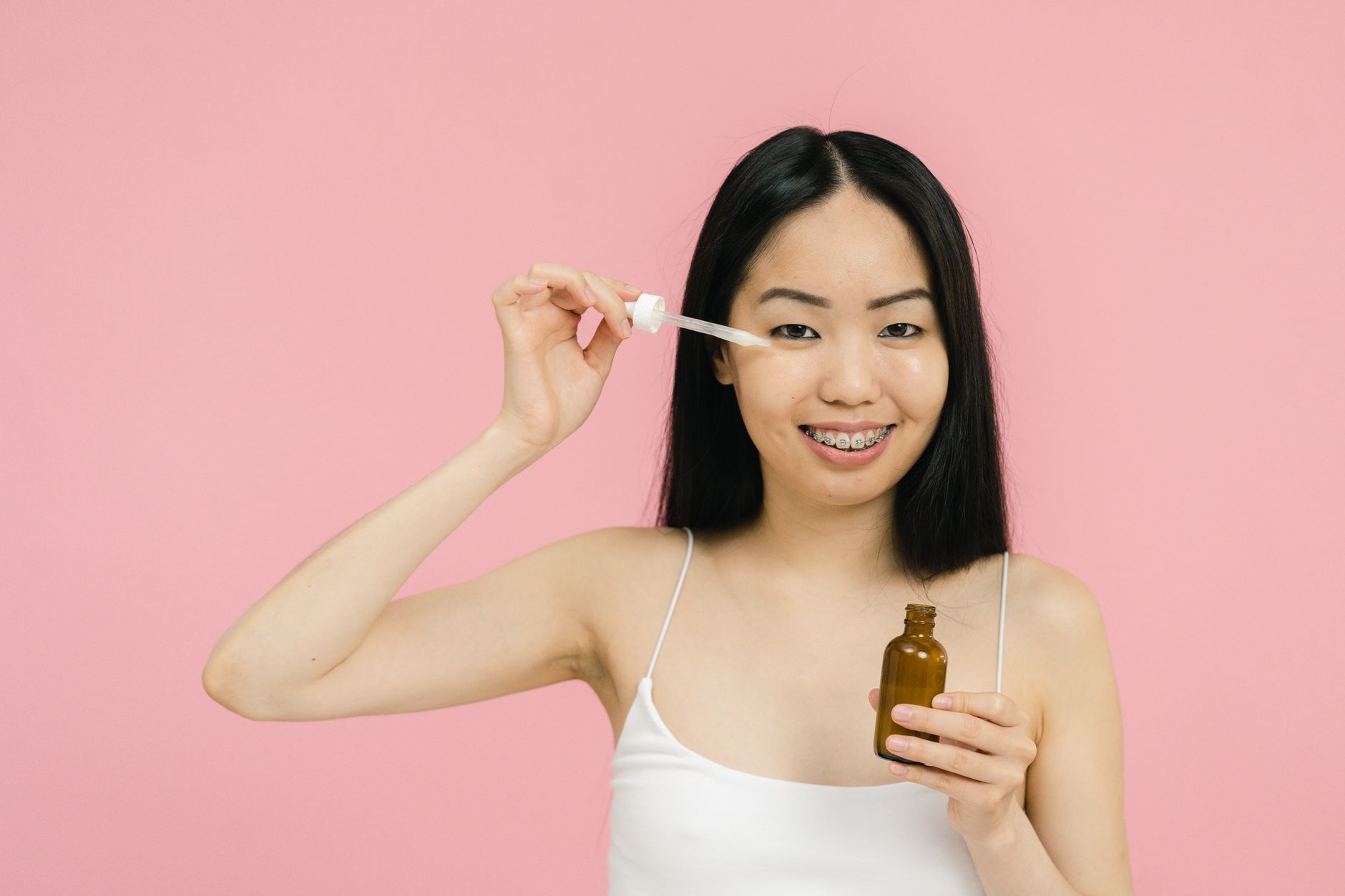
Add retinol to an acne routine by starting one to three nights per week with a pea-sized layer on dry skin. Buffer with moisturizer, keep other actives off on those nights, and wear sunscreen daily.
Retinol is a milder form of vitamin A related to prescription retinoids. Those retinoids unclog pores and reduce inflammation. A slow start lets skin adjust without lasting redness or peeling.
Medical information disclaimer: This article is for general educational purposes only and does not provide medical advice, diagnosis, or treatment. Always consult a physician or other qualified health professional about symptoms, medications, tests, or treatment decisions.
Table of Contents
- Which product should you start with?
- How do you apply it without irritation?
- What should you skip on retinol nights?
- How do you handle sun and the wait for results?
Which product should you start with?
Choose a low-strength retinol around 0.25 to 0.5 percent for the first month. Higher strengths work faster but dry and sting more. Sensitive or dry skin should stay at the lower end longer. Nonprescription adapalene gel 0.1 percent is another starting option for acne in ages 12 and older.
UNC Health dermatologist William Huang advises beginning retinoids only one to three nights per week and moving toward nightly use only as tolerated, as detailed in UNC Health guidance. Keep the rest of the routine plain at first. Use a gentle cleanser, plain moisturizer, and sunscreen. Add one new product at a time so you can spot the cause of irritation.
How do you apply it without irritation?
Wash with a gentle cleanser and pat fully dry. Wait about 15 to 20 minutes, then spread a pea-sized amount over the whole face. Avoid eyes, lips, corners of the nose, and damp skin because moisture speeds absorption and burning.
The NLM DailyMed FDA label directs a thin film of adapalene 0.1 percent to the entire face once daily in the evening after gentle washing, described in the FDA label. The same thin, full-face method suits retinol. More product does not clear acne faster; it only raises irritation.
- Cleanse, dry, and wait until skin feels completely dry
- Smooth on a pea-sized layer of retinol
- Follow with moisturizer; add a light layer before retinol if very sensitive
- Use at night only
What should you skip on retinol nights?
Keep retinol nights simple. Skip benzoyl peroxide, AHAs and BHAs, vitamin C, scrubs, and harsh toners. Those products strip or exfoliate and stack irritation. Use them on alternate nights if your skin tolerates both.
For example, use benzoyl peroxide cleanser in the morning and retinol at night only a few times per week. Stop picking, waxing, or using strong peels while adjusting. Watch early redness, flaking, tightness, or a brief breakout. These often fade as skin adjusts. Cut back to fewer nights or add moisturizer first if stinging lasts past an hour.
How do you handle sun and the wait for results?
Retinoids are night-only and raise sun sensitivity. Cleveland Clinic reviewers stress daily broad-spectrum sunscreen SPF 30 or higher, protective clothing, and avoiding use on sunburned, cut, or eczematous skin, per the Cleveland Clinic review. Apply sunscreen every morning as the last step. Reapply after sweating, swimming, or long outdoor time.
A hat and shade help during peak sun. Expect about six to eight weeks for clear acne improvement. Do not increase strength, amount, or frequency during early peeling. If swelling, crusting, severe burning, or spreading rash appears, pause retinol and seek care.