
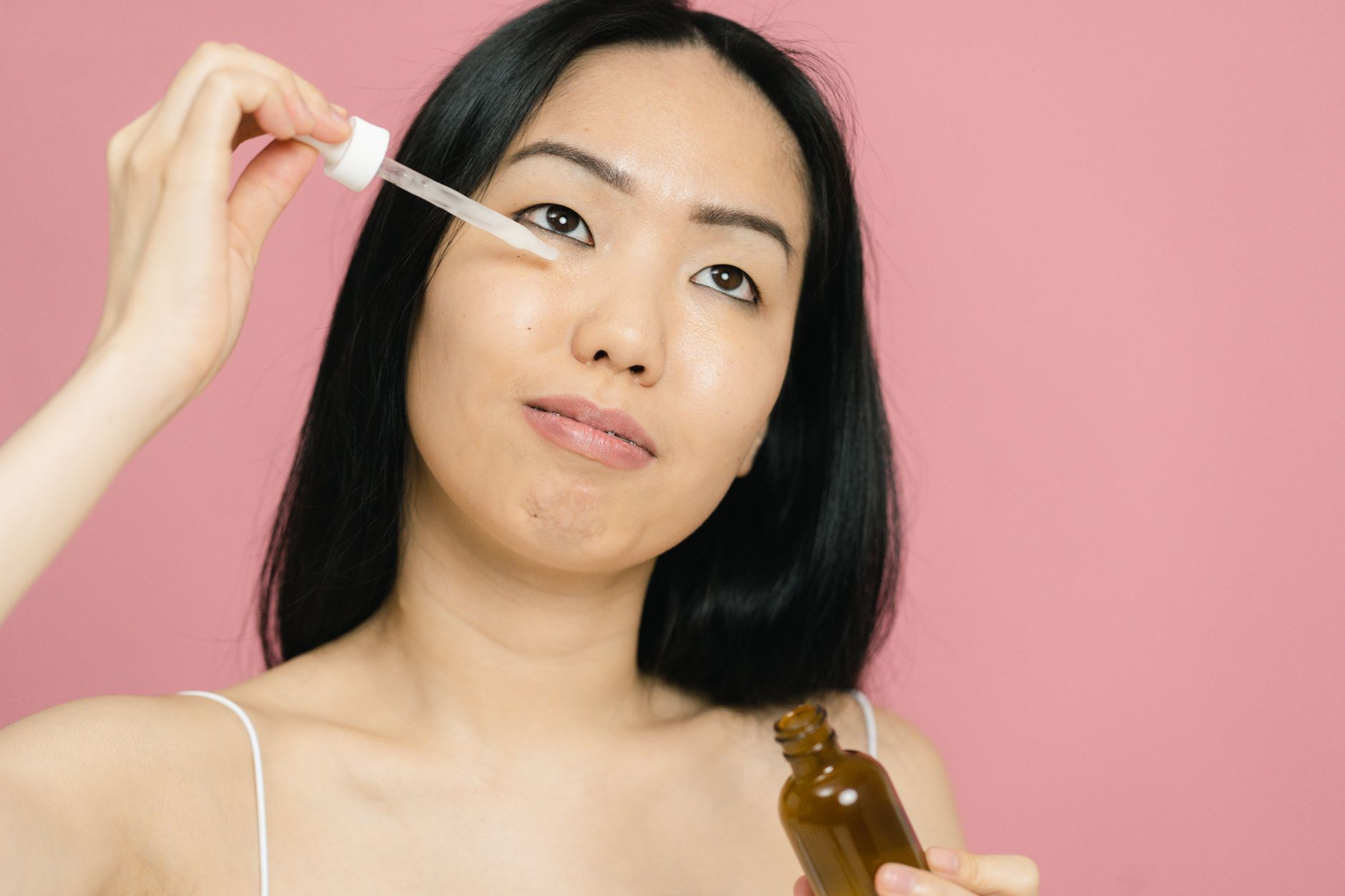
Apply a very thin layer of retinoid to clean, completely dry back skin every second or third night, then add moisturizer. Move to nightly use only as tolerated and protect the area from sun and friction. Retinol is a form of topical retinoid, a vitamin A derivative that unclogs pores and reduces inflammation. Back skin sweats more and rubs against shirts and straps, so slow pacing and gentle handling matter as much as the product.
Medical information disclaimer: This article is for general educational purposes only and does not provide medical advice, diagnosis, or treatment. Always consult a physician or other qualified health professional about symptoms, medications, tests, or treatment decisions.
Table of Contents
- Why retinoids help back acne
- How do you start without irritation?
- What should your back routine include?
- What irritation is normal?
Why retinoids help back acne
The American Academy of Dermatology strongly recommends topical retinoids including adapalene, tretinoin, tazarotene and trifarotene for acne in its updated acne guidelines because they unclog pores and reduce inflammation. The same guidelines find no one retinoid proven superior overall, so tolerability and consistent use matter more than brand.
Cleveland Clinic says back acne can be treated with a retinoid gel plus benzoyl peroxide cleansers or salicylic-acid products in its back-acne guidance. Keep the skin clean and do not scrub, because scrubbing worsens acne.
How do you start without irritation?
Start only every second or third night for 2 weeks, then increase toward nightly only as tolerated, according to dermatology patient instructions. Dermatology instructions also advise bedtime use on clean, completely dry skin, waiting 15-20 minutes after washing.
Use a very thin coat; a pea-sized amount is the thickness guide for a full face area, so spread lightly and do not pile product on bumps. Moisturizer does not cancel treatment. Dermatology instructions advise moisturizer over the retinoid, or first when dry or irritated, to limit dryness while continuing care.
- Wash back, wait until skin feels completely dry.
- Apply a thin retinoid layer at bedtime 2-3 nights per week.
- Add a non-comedogenic moisturizer over it, or moisturizer first if dry.
- Hold this pace for 2 weeks, then add nights only if calm.
What should your back routine include?
Shower after sweating and change out of sweaty shirts promptly. Cleveland Clinic advises letting a benzoyl peroxide wash sit on pimples up to five minutes before rinsing. Rinse fully, pat dry, then wait before the retinoid step.
Reduce friction and picking. Avoid tight backpacks, tight straps and sweaty shirts that trap heat and bacteria. Do not pick or squeeze, and do not scrub with rough brushes or loofahs.
What irritation is normal?
Mild redness, dryness, peeling and a short rise in breakouts often peak in the first 2-3 weeks and do not mean the drug is failing, according to clinical summaries reported in Science Insights. Stay with the low frequency, moisturize well and avoid extra acids or scrubs during this window.
Treated skin burns more easily, so Dermatology Advisor advises daily broad-spectrum sunscreen SPF 30 or higher, reapplication with sun exposure and protective clothing. For the back, this matters most with tank tops, swimwear, outdoor work and sports. If irritation turns severe or persists, reduce frequency or pause, moisturize and seek care.