
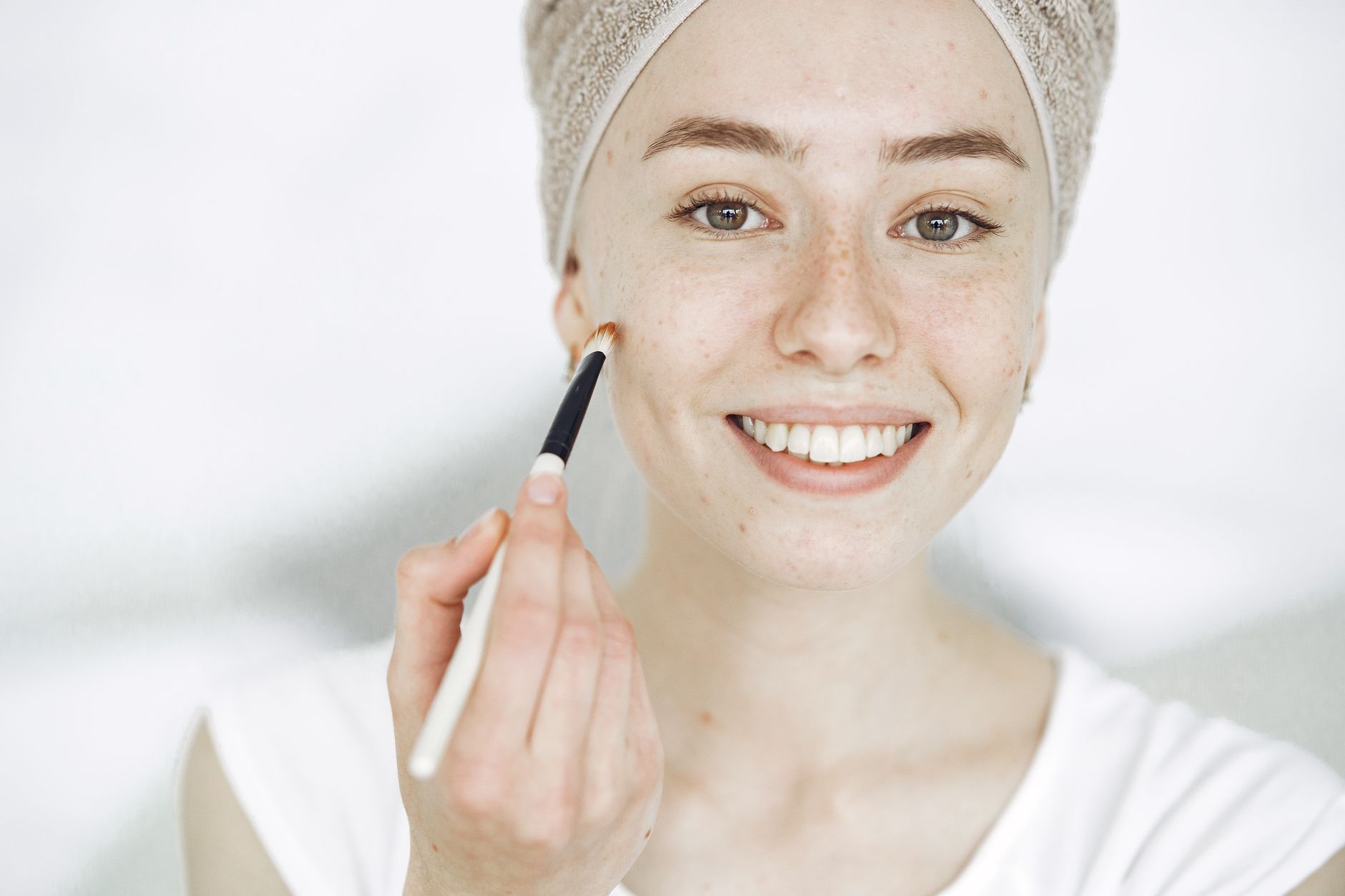
Yes, you can use retinol, an over-the-counter vitamin A product that skin converts to active retinoic acid, and makeup primer in the same routine if you separate them by time. Use retinol at night and save primer for daytime makeup.
That split protects results and comfort. Harvard Health Publishing advises using retinoids at night and wearing sunscreen daily because retinoids raise sunlight sensitivity, described in its retinoid use guide. Night use keeps retinol away from sun, sweat, and daytime layers.
Medical information disclaimer: This article is for general educational purposes only and does not provide medical advice, diagnosis, or treatment. Always consult a physician or other qualified health professional about symptoms, medications, tests, or treatment decisions.
Table of Contents
- Why separation matters more than the combination
- How to keep retinol gentle for makeup days
- What order works on makeup mornings?
- Who should be extra cautious?
Why separation matters more than the combination
Retinol works overnight while primer works for hours after morning application. They do not need to touch each other to both work well. This timing avoids pilling, uneven makeup, and extra rubbing on treated skin.
Sun sensitivity is the main reason for nighttime retinol. Cleveland Clinic dermatologist Shilpi Khetarpal states retinoids can thin the top skin layer and increase sun sensitivity, so outdoor sunscreen should be broad-spectrum SPF 30 or higher and reapplied every two hours, explained in this summer skincare update. Primer does not replace that protection.
How to keep retinol gentle for makeup days
Over-the-counter retinol is milder than prescription retinoids. UNC Health dermatologist William Huang explains that retinol needs one or two conversion steps in skin to become active retinoic acid, so it acts more gently and slowly, detailed in this retinoid FAQ. Henry Ford Health notes the same trade-off: less potency means less benefit but also less irritation and flakiness.
That gentler profile still causes dryness, redness, and peeling for some users. Doctors often recommend starting every other night and moving toward nightly use as tolerated. Apply moisturizer after retinol to reduce dryness, then give skin a makeup-free night to settle.
What order works on makeup mornings?
Keep mornings simple and let sunscreen form an even film. Use moisturizer first, then sunscreen, let it dry, then apply primer as the first makeup layer rather than under sunscreen.
That sequence supports both coverage and sun protection. Use this basic order on days with makeup: If makeup pills or separates, use less product and allow more drying time between layers. Heavy layering over dry or peeling areas makes flaking more visible.
- cleanse gently and apply moisturizer
- apply sunscreen evenly and let it dry
- apply primer, then foundation or other makeup
- skip morning retinol and save exfoliating acids for another routine if skin feels sore
Who should be extra cautious?
Acne-prone, dry, and sensitive skin reacts faster to overuse. The FDA-approved tretinoin labeling warns of dryness, pain, redness, irritation, and peeling and directs users to limit sun and use sunscreen plus protective clothing when exposure is unavoidable, listed in the DailyMed drug record.
Over-the-counter retinol is weaker, but the same irritation pattern can appear during adjustment. Pause retinol for one or two nights if burning, tight peeling, or makeup stings on application. Resume every other night once comfort returns, and keep daily sunscreen even on cloudy days or indoor workdays near bright windows.