
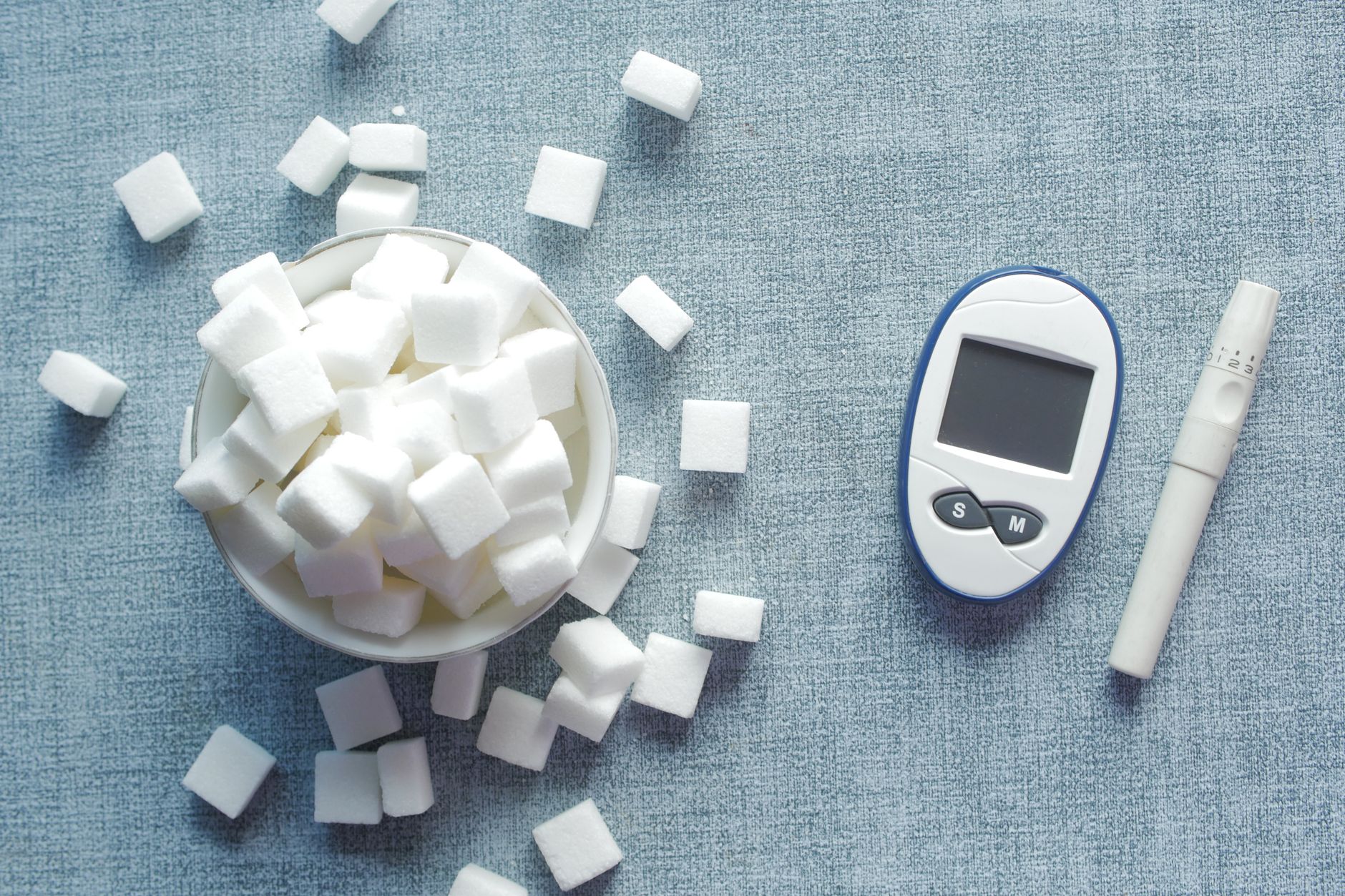
Yes, blood sugar spikes can trigger breakouts in acne-prone skin. High-glycemic meals raise blood glucose quickly, then raise insulin and related hormones that increase oil, skin-cell buildup and pore-clogging inflammation.
Glycemic index measures how fast a food raises blood sugar. Glycemic load accounts for both that speed and the amount of carbohydrate eaten. Both matter for acne-prone readers who notice flares after sugary meals.
Medical information disclaimer: This article is for general educational purposes only and does not provide medical advice, diagnosis, or treatment. Always consult a physician or other qualified health professional about symptoms, medications, tests, or treatment decisions.
Table of Contents
- How blood sugar spikes clog pores
- Why teens notice it most
- What low-glycemic trials show
- What diet can and cannot do
How blood sugar spikes clog pores
A rapid rise in blood glucose raises insulin and insulin-like growth factor-1, called IGF-1. Those signals increase androgen activity, sebum production and skin-cell growth. They also activate mTORC1-driven inflammation inside the pore, according to a review in Clinical, Cosmetic and Investigational Dermatology review of diet and acne pathways. More oil plus more sticky skin cells narrows the pore opening.
Trapped oil and cells form a comedo, the starting point for blackheads, whiteheads and inflamed pimples. Inflammation then makes the clog red, swollen and painful. This process takes days, not minutes. A breakout on Monday can reflect meals from the prior several days.
Why teens notice it most
Puberty already raises IGF-1 and androgen activity. Added insulin and IGF-1 from high-glycemic meals adds to that pubertal signal. The combined load disrupts oil-gland balance and promotes comedone formation. That overlap helps explain breakouts during exam weeks, holidays and sports seasons.
Sleep loss, stress and skipped skin care often cluster with sugary snacks. Food is one driver, not the only driver. Teens with persistent, painful or scarring acne need medical care. Diet changes alone cannot protect against scars.
What low-glycemic trials show
In a 12-week randomized trial in 43 males ages 15-25, a low-glycemic-load diet produced about twice the reduction in total acne lesions versus control and improved insulin sensitivity, as summarized in a JAAD International systematic review systematic review of glycemic index and acne. A separate two-week adult trial found that lower glycemic eating significantly lowered circulating IGF-1. The same 2022 review linked higher glycemic index and higher daily glycemic load with both acne development and greater severity.
The signal held across observational studies and was supported by trials. The evidence base remains small. A 2017 systematic review in Acta Dermato-Venereologica systematic review of diet and acne study quality found that few diet-acne studies met high scientific standards, with small samples, short duration and design flaws limiting firm treatment advice.
What diet can and cannot do
A lower-glycemic pattern may lessen breakouts for some people. It does not cure acne, so persistent acne still needs proven skin care and medical treatment, according to the American Academy of Dermatology AAD guidance on diet and acne.
Use food changes as support, not as a substitute for treatment. Keep gentle cleansing, noncomedogenic products and prescribed retinoids, benzoyl peroxide or other treatments as directed.
- Swap sugary drinks for water, milk or unsweetened tea
- Choose intact grains, beans, fruit and vegetables over sweets and refined snacks
- Pair carbohydrates with protein, fiber and fat to blunt sharp glucose rises
- Track breakouts for four to six weeks before judging change
- See a dermatologist for painful nodules, scarring, or acne that does not improve